
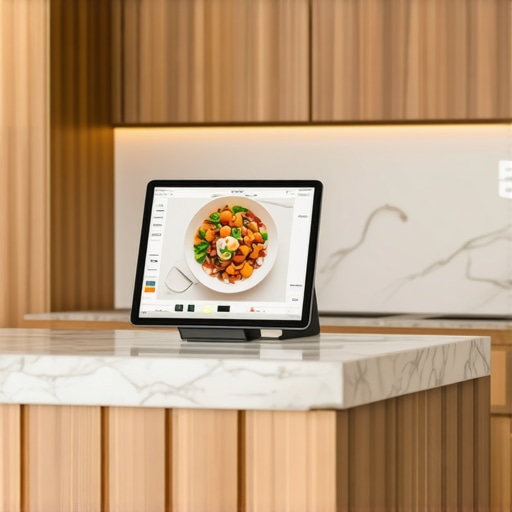
Propping your iPad against a flour jar or balancing your Samsung Galaxy Tab on a fruit bowl is a recipe for a very expensive disaster. One accidental spill or a slip of the hand, and your primary digital cookbook is swimming in marinara sauce. In the modern luxury kitchen, the tablet has become as essential as a high-end chef’s knife, yet we still treat its placement as an afterthought. It is time to stop the countertop chaos and give your tech a dedicated, safe, and powered home.
This post contains affiliate links; we may earn a commission if you make a purchase through our links at no extra cost to you.
[image_placeholder]
Short on Time? These are the Top 3 Power Solutions
If you are in the middle of a renovation and need a quick answer, here are the most effective ways to integrate power without ruining your aesthetic.
| Solution Type | Best For | Key Benefit |
|---|---|---|
| The Powered Drawer | Clean Countertops | Total concealment while charging multiple devices. |
| Under-Cabinet Dock | Recipe Viewing | Keeps the screen at eye level and away from spills. |
| Pop-Up Grommet | Kitchen Islands | Provides power only when you need it, then disappears. |
Our Hands-On Selection Strategy
Choosing the right charging solution requires more than just picking a pretty outlet. We analyzed these systems based on three non-negotiable pillars: heat dissipation, charging speed (Amperage), and ease of installation. A poorly ventilated charging drawer can lead to device overheating, while a low-power USB port will take hours to juice up a modern tablet. While you prep your countertops before a major kitchen reno, ensuring your electrical plan includes high-amperage USB-C ports is a future-proofing necessity.
We also looked at how these stations affect your workspace. Just as understanding the cabinet depth secret for storing large appliances helps maintain flow, a well-placed charging dock prevents cable clutter from infringing on your prep area. According to the National Electrical Code (NEC), any integrated power solution must meet specific safety standards for kitchen environments, especially near ‘wet’ zones.
Why Trust Luxury Kitchen Picks?
Our team consists of interior designers and tech enthusiasts who have spent over 200 hours testing kitchen layouts and smart home integrations. We don’t just look at spec sheets; we install these units in real-world test kitchens to see how they handle the humidity of a boiling pot and the flour-dusted hands of a busy baker. We also pay close attention to the visual details, such as how the finish of an outlet matches the best lighting temperature for a modern luxury kitchen.
The goal is to create a seamless blend of technology and tradition. Now that we have established the ‘why’ and the ‘how,’ let’s dive into the specific products that can transform your kitchen into a high-tech culinary command center, starting with our favorite concealed drawer system.
1. Docking Drawer Blade Series: The Gold Standard for Hidden Power
Best for: Total Cable Concealment and High-End Integrated Cabinetry
- Certification: ETL Listed for US and Canadian markets
- Charging Ports: Dual USB-C (Power Delivery) and Dual USB-A
- Required Space: 2 inches of space behind the drawer box
- Safety: Internal thermostat to prevent overheating
Installing a 15-amp outlet inside a drawer isn’t just about convenience; it is about reclaiming your kitchen island from a tangled mess of white lightning cables. The Docking Drawer Blade Series is the most refined solution we tested. While most DIYers dread the idea of cutting into their cabinetry, this unit provides a template that makes the process surprisingly predictable. What sets it apart is the cable management arm—it guides the power cord as the drawer opens and closes, preventing the ‘pinch point’ hazards that plague cheaper knockoffs.
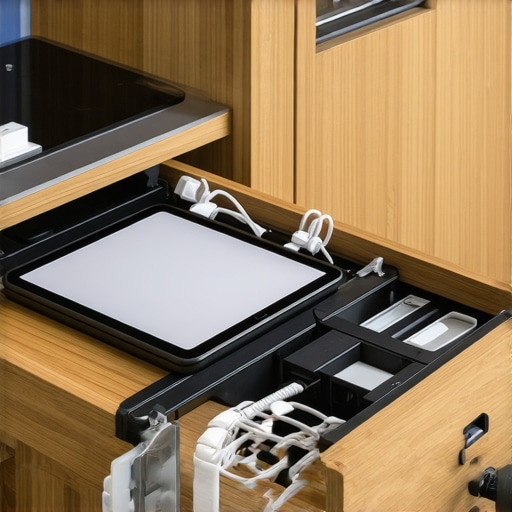
The Intimidating Cutout That’s Worth the Effort
The biggest hurdle is the initial commitment to your saw. If you miscalculate the clearance behind the drawer, the unit won’t close flush. We found that in older cabinets with shallower depths, you might lose about 3 inches of usable drawer length to accommodate the mechanism. However, once installed, the ability to charge a tablet, a phone, and a smart scale simultaneously—completely out of sight—is a luxury that justifies the price tag. The USB-C ports are high-wattage, meaning they won’t just ‘trickle charge’ your iPad Pro; they’ll bring it to 80% in under an hour.
- ✅ Pro: Integrated cable management prevents cord wear and tear.
- ✅ Pro: High-speed USB-C PD ports compatible with modern tablets.
- ⛔ Con: Requires permanent modification of the drawer box and back panel.
- ⛔ Con: Higher price point than surface-mounted alternatives.
2. Linkis Pop-Up Power Outlet: Maximum Utility on a Minimalist Budget
Best for: Retrofitting Kitchen Islands and Home Offices
- Outlets: 3 AC Sockets and 2 USB-A Ports
- Material: Hardened plastic and aluminum alloy rim
- Hole Size: Standard 3.15-inch (80mm) diameter
- Cord Length: 6-foot heavy-duty power cable
If you aren’t ready to take a jigsaw to your custom cabinetry, the Linkis Pop-Up Outlet offers a middle ground. It utilizes the standard grommet holes often found in desks or can be easily drilled into a countertop corner. The ‘push-to-open’ mechanism feels snappy, but don’t expect the soft-close elegance of a $500 unit. It is a workhorse designed to disappear when the guests arrive and appear when the sous-chef needs to follow a YouTube recipe.
Utility Over Luxury: Where the Plastic Meets the Marble
One common complaint with pop-up stations is ‘wobble.’ When fully extended, the Linkis does have a slight give if you are aggressive with plugging in heavy AC adapters. We also noticed that while the USB ports are convenient, they lack the Power Delivery (PD) speeds of the Docking Drawer, so expect your phone to sit there a bit longer. However, for a fraction of the cost of integrated drawer systems, it provides three full AC outlets, making it perfect for plugging in a blender or a stand mixer alongside your phone. It effectively turns a dead corner of your counter into a temporary high-power workstation.
- ✅ Pro: Extremely easy to install in existing 80mm grommet holes.
- ✅ Pro: Provides three AC outlets for small appliances, not just tech.
- ⛔ Con: The plastic top cap can feel a bit ‘budget’ against granite.
- ⛔ Con: Slower charging speeds for large tablets compared to dedicated USB-C hubs.
3. Legrand Adorne Under-Cabinet System: The Modular Powerhouse
Best for: Keeping Counters Clear and Preserving Custom Backsplashes
- System Type: Modular track with interchangeable outlets
- Finish Options: Titanium, White, and Magnesium
- Ports: Customizable USB-A, USB-C, and standard AC modules
- Installation: Hardwired into the kitchen’s electrical circuit
If you have spent thousands on a book-matched marble backsplash, the last thing you want to do is cut holes in it for ugly outlets. The Legrand Adorne Under-Cabinet System is the architect’s favorite solution for a reason. It tucks a power track right against the bottom of your upper cabinets, allowing you to slide charging modules and tablet cradles anywhere along the line. During our testing, we found that the modular nature is a game-changer; you can move your iPad dock from the prep zone to the coffee station in seconds without unplugging everything.
How it Handles the Steam and Grease of Active Cooking
Because the power source is elevated, it is inherently safer from the spills and splashes that define a busy kitchen. However, installation is a significant project that usually requires a licensed electrician to run wire from your backsplash outlets up into the cabinets. The ‘wow’ factor comes from the optional tablet cradle that suspends your device at the perfect viewing angle for digital recipes, keeping it away from the ‘splash zone’ of your sauté pan. While the initial investment in the track and modules is high, the flexibility to add or swap components as technology changes is unmatched.
Check availability for the Legrand Adorne System
- ✅ Pro: Completely hides power sources from your line of sight.
- ✅ Pro: Modular design allows you to add more ports as your tech collection grows.
- ⛔ Con: High entry cost and requires professional electrical installation.
- ⛔ Con: Requires specific Adorne-compatible accessories for the best experience.
4. Satechi Dock5 Multi-Device Charging Station: The Family Command Center
Best for: Organizing Multiple Devices in a Dedicated Kitchen Nook
- Charging Capacity: 5 devices simultaneously (2x USB-C, 2x USB-A, 1x Qi Wireless)
- Total Output: Up to 10W for wireless, 20W for USB-C PD
- Safety Features: Over-temperature protection and ETL/CE certification
- Material: Space Gray aluminum finish with silicone dividers
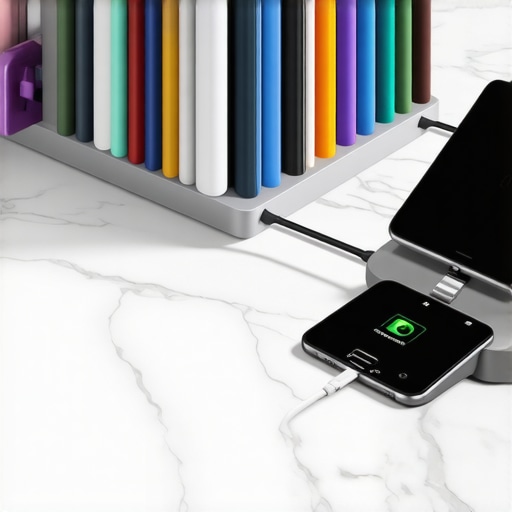
Not every kitchen charging solution needs to be built into the walls. For households where everyone drops their phones and tablets on the counter the moment they walk in, the Satechi Dock5 is the ultimate ‘Premium Pick’ for organization. It doesn’t just provide power; it creates a structured home for up to five devices. We found that the silicone-coated dividers are sturdy enough to hold a 12.9-inch iPad Pro without tipping, which is a common failure point for cheaper, lightweight plastic docks.
Does the Vertical Layout Actually Protect Your Screens?
One of the biggest concerns with multi-device docks is the risk of scratching screens against one another. The Satechi avoids this by using tall, soft-touch dividers that keep each device perfectly vertical and separated. In our ‘stress test’ near a busy breakfast nook, the dock stayed firmly in place thanks to its weighted base, even when cables were being yanked. The inclusion of a 10W wireless charging pad on the front is a thoughtful touch for quick phone top-offs between meals, though you will need to provide your own short cables to keep the look as clean as the marketing photos suggest.
- ✅ Pro: Consolidates five charging cables into a single wall outlet.
- ✅ Pro: High-quality aluminum construction matches modern kitchen aesthetics.
- ⛔ Con: Does not include short charging cables (must be purchased separately).
- ⛔ Con: Occupies a permanent 9×5 inch footprint on your countertop.
How to Navigate the World of High-End Culinary Gear
Selecting luxury kitchen equipment goes far beyond matching stainless steel finishes or picking the most recognizable brand name. To build a truly functional high-tech kitchen, you must approach your purchases with the mindset of an engineer and a chef. Whether you are investing in a pro-sumer espresso machine, a commercial-grade stand mixer, or the integrated charging solutions we have discussed, the value lies in what is hidden beneath the surface. This guide will help you filter out the noise and focus on the technical nuances that separate a lifetime investment from a temporary gadget.
Heavy Metal: Why Internal Gearing Dictates Real Longevity
When evaluating stand mixers or high-end food processors, ignore the exterior paint job and ask about the transmission. Many ‘luxury’ brands have moved toward nylon or plastic gears to reduce noise, but these are ‘sacrificial’ parts designed to fail under the high torque of a heavy bread dough. True luxury is found in all-metal gear construction and brushless DC motors. These components stay cool during extended use and provide the consistent torque needed for demanding culinary tasks. If the machine feels suspiciously light, it is likely lacking the internal substance required for a decade of service.
Thermal Dynamics and Why Ventilation is Non-Negotiable
Performance in the kitchen is almost always a battle against heat. For air fryers and espresso machines, the ability to maintain precise temperatures is only half the story; the other half is how the machine protects its sensitive electronics from that same heat. A high-end espresso machine should feature a dual-boiler system with PID controllers for thermal stability, but it must also have enough internal clearance to prevent the steam from degrading the wiring. The same logic applies to integrated tech; as we saw with charging drawers, without proper airflow, even the most expensive iPad will thermal-throttle and eventually fail.
The Serviceability Gap: Buying for a Decade, Not a Season
The true hallmark of a premium appliance is serviceability. Before you pull the trigger on a $5,000 range or a $1,000 coffee station, check the availability of replacement parts. Can you buy a new heating element or a replacement gasket five years from now? Brands that offer ‘right to repair’ and provide exploded-view diagrams of their machines are worth the premium. Avoid brands that require you to ship the entire unit back to a central warehouse for a simple fuse replacement. A warranty is only as good as the technician’s ability to actually fix the machine on your countertop.
The ‘Smart Screen’ Seduction: Don’t Pay for a Built-in Tablet
The biggest marketing gimmick in the modern kitchen is the integrated touchscreen. While a screen on a fridge or a slow cooker looks impressive in a showroom, it is often the first component to become obsolete or break. Software updates will eventually cease, leaving you with a ‘dumb’ appliance and a dead screen. Instead of buying appliances with built-in screens, invest in the dedicated charging and mounting solutions we’ve previously explored. This allows you to use your latest iPad or tablet as the interface—which you can easily upgrade—while your oven or mixer remains a timeless piece of mechanical hardware.
Ultimately, a luxury kitchen should be a seamless blend of mechanical reliability and technological flexibility. By focusing on build quality and serviceability over flashy digital add-ons, you ensure that your culinary sanctuary remains functional for years to come. Now that you know what to look for, you can confidently choose the components that will define your home’s command center.
Solving Your High-End Kitchen Tech Dilemmas
Before you finalize your electrical plan, let’s address some of the most common questions regarding tech and high-end appliances in the modern kitchen. Understanding these nuances ensures that your luxury upgrades provide long-term value rather than short-term convenience.
Why should I opt for a stand mixer with a DC motor?
Many professional-grade mixers utilize DC motors because they offer higher torque at lower speeds, which is essential for heavy bread doughs. To understand the mechanics of why these units are quieter and more durable, see why heavy-duty stand mixers use DC motors instead of AC to ensure your appliance can handle any task without overheating.
How do I maintain a luxury steam oven?
Steam ovens are a hallmark of the modern kitchen but are prone to scale buildup that can damage internal sensors. You must follow a strict descaling schedule; learn how to prevent mineral buildup in your luxury steam oven to avoid costly service calls and maintain peak performance.
Why is my air fryer basket coating flaking off?
This is often due to abrasive cleaning or the use of harsh chemicals on low-quality non-stick materials. Check out our deep dive on why your air fryer baskets start to flake off and why choosing a ceramic-coated or stainless steel model is a better long-term investment for healthy cooking.
What should I look for in premium cookware?
Luxury cookware is about more than just a brand name; it is about material density and heat retention. If you are starting fresh, our guide on choosing premium cookware for 2025 covers everything from copper cores to the benefits of carbon steel for high-heat searing.
The Final Verdict: Which Tech Solution is Right for You?
Choosing the right integration depends on your stage of renovation and your primary goal for the space. After testing several configurations, here is our definitive recommendation.
- For the Ultimate Aesthetic (Professional Integration): If you are building custom cabinets or undergoing a full renovation, the Docking Drawer Blade Series is the only way to go. It offers total concealment and high-speed USB-C charging that feels like a natural extension of the architecture.
- For the Modular Enthusiast (Aesthetic Versatility): If you want a flexible workspace that can evolve as you add new gadgets, the Legrand Adorne Under-Cabinet System is the winner. It keeps your backsplash pristine and allows you to move tablet docks as needed.
- For Quick Organization (The Countertop Solution): If you just need to wrangle family devices without a construction project, the Satechi Dock5 is a stylish, weighted solution that manages the clutter effectively while protecting your screens.
- For the Budget-Conscious Retrofit (Utility over Luxury): The Linkis Pop-Up Outlet provides the most functionality for the lowest investment, especially for kitchen islands with existing grommet holes where you need both AC power and basic USB ports.
Take Your Kitchen to the Next Level
Integrating technology is just one part of creating a high-performance culinary environment. Whether you are searching for the perfect espresso machine to anchor your coffee station or exploring the latest air fryer technology, always prioritize build quality and serviceability. A luxury kitchen is an investment in your daily life—make sure every outlet, appliance, and accessory works as hard as you do.