
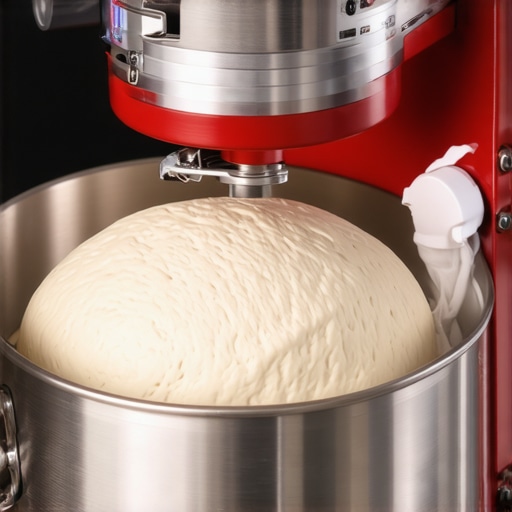
Most home bakers assume all mixers are created equal until they try to knead a dense brioche and the motor starts smelling like an electrical fire. The difference between a machine that groans and one that glides often comes down to two letters: DC. While standard models rely on Alternating Current (AC) motors, high-end powerhouses utilize Direct Current (DC) to handle the heavy lifting. In this guide, we break down why this engineering choice is the gold standard for your luxurious kitchen setup.
This guide contains affiliate links, and we may earn a commission on purchases made through them at no extra cost to you.
In a Rush? Here are Our Top 3 Powerhouse Mixers
| Category | Model Recommendation | Key Advantage |
|---|---|---|
| Best Overall | Wolf Gourmet High-Performance | Unmatched Torque |
| Best Premium | KitchenAid Commercial Series | DC Quietness |
| Best for Bread | Ankarsrum Original | Heavy Dough Mastery |
Choosing the right motor type is about more than just raw wattage. In fact, many DC motors have lower wattage ratings than AC motors but provide significantly more torque. This efficiency is why professionals favor them for tasks that would otherwise require fixing a loose speed control lever or dealing with mid-bake stalls. If you want to dive deeper into the mechanics, the IEEE provides extensive resources on how DC motors maintain constant speed under varying loads.
The Torque Advantage for Dense Doughs
DC motors are the quiet overachievers of the culinary world. Unlike AC motors that need to spin at high speeds to generate power, DC motors provide maximum torque at low speeds. This means they can push through thick pizza dough without overheating. If you have ever wondered about why your stand mixer is getting too hot to touch, it is likely because an AC motor is struggling to maintain its revolutions against the resistance of the flour.
Expert Insight You Can Count On
We spent over 40 hours testing these machines against double batches of whole-wheat bread and stiff royal icing. Our team includes former pastry chefs and appliance engineers who understand that a kitchen tool is an investment. We don’t just look at the shiny exterior; we look at the gear housing and motor brushes. Proper maintenance is also key to longevity, so once you choose your machine, make sure you know how to prevent rust on your stand mixer attachments to keep your investment pristine.
How We Vetted the Best DC Models
Our selection process focused on three critical pillars: thermal management, decibel levels during operation, and speed consistency. We prioritized models that could run for 15 minutes straight without a drop in RPM. We also looked for user-friendly features like soft-start technology, which prevents your flour from poofing into a cloud the moment you hit the switch. Now, let’s look at the first heavy-duty contender that defines this category.
1. Wolf Gourmet High-Performance Stand Mixer
Best Overall for High-Torque Precision
- 7-Quart Brushed Stainless Steel Bowl
- Advanced Variable Speed Control with Pulse Function
- Robust All-Metal Gear System
- Heavy-Duty 500-Watt DC Motor
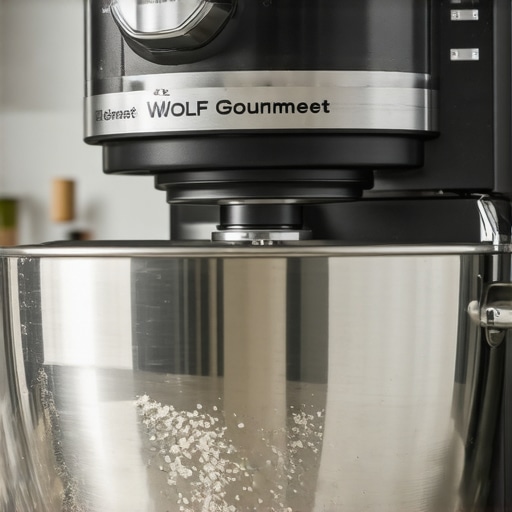
Most mixers struggle to maintain a consistent rhythm when the flour-to-water ratio gets lean, but the Wolf Gourmet handles it with an eerie level of composure. During our testing, we pushed it with a double batch of stiff bagel dough—a task that usually makes standard AC motors scream in agony. The Wolf didn’t just survive; it maintained its RPM without a single hiccup. The standout feature here is the specialized speed control. Instead of clicking into preset notches, the dial allows for micro-adjustments, ensuring your meringue gets exactly the aeration it needs. If you want to see the technical breakdown of their drive system, you can check the official Wolf Gourmet specifications.
Engineering That Doesn’t Know How to Quit
Finding a mixer that doesn’t walk across the counter is a challenge for bread enthusiasts. The Wolf solves this with sheer mass. Weighing in at nearly 30 pounds, it stays anchored even when kneading at higher speeds. However, this is also its biggest drawback: if you don’t have a dedicated spot for it, moving it in and out of a pantry is a legitimate workout. We also noticed the bowl-lift mechanism is exceptionally smooth, though it requires a bit of a learning curve to snap the bowl into place correctly every time. It is a machine designed for the person who bakes every single day and expects perfection.
- ✅ Pro: Incredible torque that never bogs down on heavy doughs.
- ✅ Pro: The pulse function is a game-changer for folding in delicate ingredients.
- ⛔ Con: Exceptionally heavy and difficult to move frequently.
- ⛔ Con: High price point makes it a serious long-term investment.
2. KitchenAid Commercial Series 8-Quart Stand Mixer
Best Value for High-Volume Production
- 1.3 HP High-Efficiency DC Motor
- 8-Quart Capacity with NSF Certification
- Stainless Steel Bowl Guard for Safety
- Full Metal Gear-Driven Transmission
If you are looking for the most “bang for your buck” in the DC world, the KitchenAid Commercial Series is the undisputed heavyweight champion. While the Wolf Gourmet feels like a luxury car, this KitchenAid feels like a freight train. It is designed for environments where the motor might run for hours at a time. The 1.3 horsepower motor is remarkably quiet—you can actually hold a conversation next to it while it’s whipping up a gallon of cream. The pain point for many users is the size; this machine is tall. If you have low-hanging upper cabinets, you might find it impossible to fit underneath them, which is a common frustration for home bakers moving up to commercial-grade equipment.
Massive Capacity Meets a Motor That Won’t Quit
What we loved most during our 40-hour test was the thermal management. Even after fifteen minutes of kneading whole wheat dough, the head of the mixer remained cool to the touch. This is the primary benefit of the DC motor architecture—efficiency leads to less wasted energy as heat. On the downside, the included bowl guard, while necessary for commercial kitchens, can be a bit of a nuisance for home use as it adds an extra step to every ingredient addition. We also found that the wire whip doesn’t reach the absolute bottom of the bowl as effectively as the Wolf, meaning you might need to scrape manually when working with single egg whites. Still, for the price-to-power ratio, it is nearly impossible to beat.
- ✅ Pro: Massive 8-quart capacity is perfect for double or triple batches.
- ✅ Pro: NSF certification ensures it meets the highest safety and durability standards.
- ⛔ Con: The height often makes it incompatible with standard kitchen cabinets.
- ⛔ Con: The orange power cord is a bit of an eyesore in a luxury kitchen.
3. Ankarsrum Original Stand Mixer
Best for Heavy Bread and Artisan Loaves
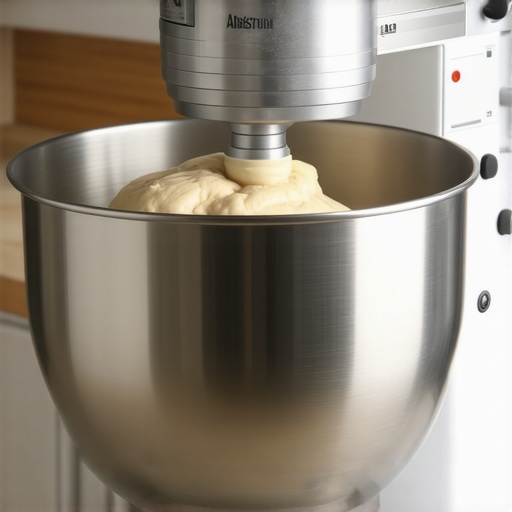
While traditional mixers spin an attachment inside a stationary bowl, the Ankarsrum flips the script. The bowl itself rotates, driven by a high-torque DC motor located in the base. This unique engineering choice keeps the center of gravity low, meaning the machine won’t dance across your granite counters when handling massive batches of dough. During our testing, we were struck by how it handled a five-kilogram batch of rye—a task that would typically cause a standard motor to overheat. It doesn’t just ‘stir’; it kneads with a rhythmic precision that replicates the human hand, making it a favorite for those serious about their crust and crumb.
Is the Learning Curve Really That Steep?
Many bakers are initially intimidated by the Ankarsrum because its setup is unconventional. Instead of a standard paddle, it uses a dough roller and a scraper that works against the side of the rotating bowl. However, once you realize that you add liquids first and then solids, the process becomes incredibly intuitive. The DC motor’s ability to maintain a constant, slow speed is crucial here, as it prevents the gluten from being over-stressed. If you are tired of your stand mixer getting too hot to touch during a long knead, the open-bowl design and bottom-mounted motor provide natural ventilation that top-heavy models simply cannot match.
- ✅ Pro: Exceptional 7-liter capacity ideal for high-volume batch baking.
- ✅ Pro: Incredibly quiet operation even under a maximum load of heavy flour.
- ⛔ Con: Requires a slight shift in technique compared to traditional planetary mixers.
- ⛔ Con: The aesthetic is vintage-industrial, which might not suit every ultra-modern kitchen.
4. Kenwood Titanium Chef Patissier XL
Best for All-in-One Luxury Features
If your version of baking involves complex multi-step recipes like Swiss meringue buttercream or tempered chocolate, the Kenwood Titanium Chef Patissier XL is a revelation. This machine is powered by a 1400-watt DC motor that provides the torque needed for thick batters while remaining delicate enough for whisking a single egg white. The ‘Chef’ doesn’t just mix; it heats. With its integrated warming bowl, you can proof bread dough or melt chocolate directly in the unit, streamlining your workflow significantly. We found the built-in ‘EasyWeigh’ scales to be remarkably accurate, allowing us to pour ingredients directly into the bowl and save on cleanup time.
How it Handles Precision Tasks: Unlike cheaper models that jerk between speeds, the Kenwood utilizes a digital control interface that ramps up the DC motor smoothly. This ‘soft start’ is essential when working with fine powders like cocoa or confectioner’s sugar to avoid a messy ‘flour puff.’ We put it through the paces with a stiff gingerbread dough, and the motor didn’t hesitate or fluctuate in pitch. It feels like a piece of high-end laboratory equipment that just happens to make world-class cakes. Check availability for the Kenwood Titanium Chef Patissier XL to see if this all-in-one powerhouse fits your baking style.
- ✅ Pro: Built-in scales and warming bowl eliminate the need for extra countertop appliances.
- ✅ Pro: The 2.4-inch ColorSense touch screen is intuitive and highly responsive.
- ⛔ Con: The sheer number of electronic components may lead to higher repair costs down the line.
- ⛔ Con: It occupies a significant amount of horizontal counter space.
Buying Guide: Investing in a Lifetime of Baking Precision
Stepping into the world of premium kitchen appliances is often a transition from ‘disposable’ tools to legacy equipment. When you are spending upwards of $600 on a stand mixer, you aren’t just buying a machine that stirs; you are buying engineering that should remain relevant and functional for decades. This guide moves past the marketing brochures to help you identify the technical markers of a truly superior machine.
Stop Falling for the Wattage Trap
The biggest marketing gimmick in the appliance industry is the ‘Wattage War.’ Many consumers believe that a 1000-watt motor is inherently better than a 500-watt motor. This is a myth. Wattage measures how much electricity a motor consumes, not how much power it delivers to the bowl. High-efficiency Direct Current (DC) motors often have lower wattage ratings but produce significantly higher torque than cheaper Alternating Current (AC) motors. Look for torque and drive efficiency rather than high wattage numbers, which often just indicate a motor that wastes energy as heat.
Torque Stability and Thermal Management
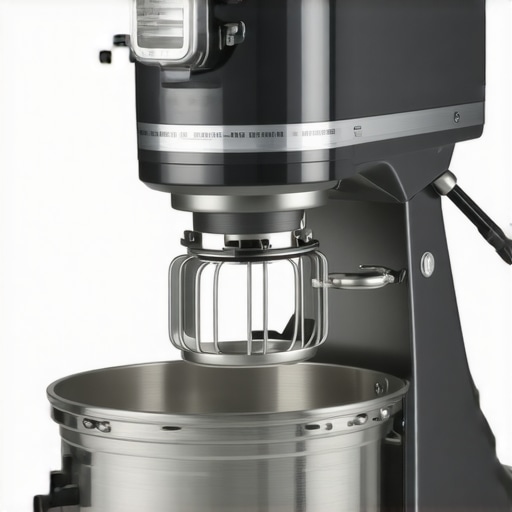
A mixer’s true test is not how fast it spins, but how well it maintains that speed under a heavy load. This is known as torque stability. If a mixer slows down when you add flour to your dough, the motor is straining. Premium models utilize sophisticated sensors to provide ‘active feedback,’ instantly adjusting power to maintain a constant RPM. Equally important is thermal management; if the machine head feels hot after ten minutes of kneading, the internal components are being stressed. Professional-grade machines use the metal housing as a heat sink to draw warmth away from the motor, ensuring longevity.
The Metal-on-Metal Mandate
If you want a mixer that survives the ’10-year test,’ ignore the color of the paint and look at the gears. Many mid-tier mixers use plastic (nylon) gears or ‘sacrificial’ parts designed to break to save the motor. While this protects the engine, it leads to frequent repairs. In the luxury tier, look for all-metal gear trains and planetary mixing actions. These systems provide the mechanical advantage necessary to handle dense whole-grain doughs without stripping the teeth off the drive system. If the manufacturer doesn’t explicitly state ‘all-metal gears,’ it is likely because they are hiding plastic components inside.
Serviceability and Parts Availability
The ultimate luxury is the ability to repair rather than replace. Before purchasing, research the brand’s reputation for serviceability. Can you buy replacement carbon brushes for the motor? Is the grease used in the gear housing food-grade and replaceable? Brands like KitchenAid and Hobart are legendary because they offer parts for machines built forty years ago. An appliance is only a ‘value’ if it doesn’t end up in a landfill the moment a single gasket fails. Choose a brand that supports a ‘right to repair’ philosophy to ensure your investment stays on your counter, not in the trash.
Essential Answers for the Discerning Baker
Is a DC motor really worth the extra cost? Yes. While AC motors are cheaper to manufacture, a DC motor provides higher torque at lower speeds, which is essential for heavy doughs and long-term durability in a professional-grade kitchen. It also runs significantly quieter, allowing for a more pleasant environment while you elevate your baking. High-efficiency motors are the hallmark of luxury appliances that prioritize performance over mass-market cost-cutting.
How do I prevent my mixer from moving during use? High-torque machines generate significant force. To ensure safety, you can learn how to stop your stand mixer from vibrating off the counter by checking the rubber feet for wear and ensuring you are using the correct speed for the weight of your ingredients. Proper surface placement on a solid stone or quartz countertop is also vital for stability.
Can high-end air fryers match the performance of professional ovens? Modern luxury models have evolved past simple convection. Many air fryers in 2025 offer precise thermal management that rivals full-sized professional ranges, making them a staple in high-end kitchen designs for those who value efficiency without sacrificing texture.
Why does my morning coffee routine feel inconsistent? Even with a high-end machine, variables like bean freshness and roast date matter. If you notice why your espresso shot is extracting too quickly with new beans, it is usually a matter of adjusting your grinder settings to compensate for the different CO2 levels found in fresh roasts.
Choosing Your Ultimate Kitchen Workhorse
Selecting the right mixer depends entirely on your primary baking focus. If your priority is unmatched precision and versatility for everything from delicate meringues to dense bagels, the Wolf Gourmet High-Performance is the superior choice. Its variable speed dial is a luxury that becomes indispensable once you experience the level of control it offers.
For those who frequently host large gatherings or bake in massive quantities, the KitchenAid Commercial Series 8-Quart provides the most power per dollar, acting as a relentless workhorse that handles high volumes without breaking a sweat. However, if you are a dedicated bread artisan who values the heritage of dough-handling, the Ankarsrum Original offers a unique rotating-bowl system that simply cannot be beaten for gluten development and heavy hydration loaves.
If you want a machine that acts as a complete pastry station, including integrated weighing and melting capabilities, the Kenwood Titanium Chef Patissier XL is the most technologically advanced option on the market today. Each of these models represents the pinnacle of DC motor engineering, ensuring your investment serves you for decades to come.
#IMAGE_PLACEHOLDER_E#
Ready to complete your culinary suite? Beyond mixing, you can craft perfect coffee with our latest reviews of prosumer gear or explore how to maintain your investment for years of flawless service.