
This post contains affiliate links. If you make a purchase through these links, we may earn a commission at no extra cost to you.
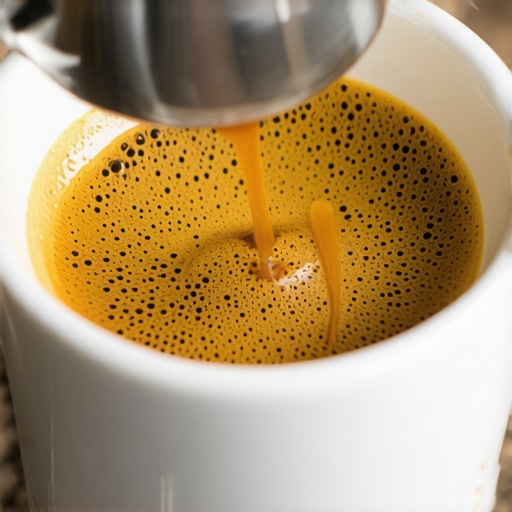
You buy a sleek new espresso machine, scoop in some pre-ground coffee, and press a button. A thick, bubbly foam appears, and you feel like a master barista. But then you take a sip, and the reality hits: it’s thin, watery, and lacks any real character. This is the pressurized portafilter trap. Designed to make brewing foolproof, these baskets actually create a “fake” crema by forcing coffee through a tiny pinhole. If you are ready to craft perfect coffee in your luxury kitchen, you need to understand why professionals wouldn’t be caught dead using one.
In a Rush? Here are the Machines for Authentic Extraction
Before we dive into the science of flow rates, here are our top three picks for those looking to ditch the pressurized training wheels and embrace real espresso craft.
| Category | Model Name | Best For |
|---|---|---|
| Best Overall | Gaggia Classic Pro | Traditionalists & Modders |
| Best Budget | Breville Bambino Plus | Beginner Baristas |
| Luxury Choice | Profitec Pro 600 | The Ultimate Home Setup |
We selected these models based on thermal stability, build quality, and most importantly, the inclusion of non-pressurized baskets that allow for a true 1:2 extraction ratio as defined by the Specialty Coffee Association.
The Fundamental Flaw in Artificial Pressure
In a standard, unpressurized basket, the resistance comes from the coffee puck itself. This requires a precise grind and careful distribution. If you miss the mark, your bottomless portafilter shows channels immediately. Pressurized baskets bypass this entirely. They use a double-wall design where the coffee passes through a single small hole after the mesh, aerating the liquid to simulate crema. While it looks pretty, it fails to emulsify the oils properly, leaving you with a cup that lacks the syrupy mouthfeel of a professional shot.
Who is Behind These Espresso Recommendations?
At Luxury Kitchen Picks, our team consists of former baristas and home roasting enthusiasts who have spent hundreds of hours testing boilers, burr sets, and flow-control valves. We don’t just look at the specs; we look at the results in the cup. We understand that every puck prep mistake ruins the shot, so we recommend gear that rewards skill rather than hiding flaws behind clever engineering. Our testing involves measuring temperature variance at the group head and tracking extraction yields with refractometers to ensure our advice is backed by data, not just marketing hype.
How We Put These Machines to the Test
Our methodology focuses on three pillars: consistency, durability, and user feedback. We run back-to-back shots to see why most prosumer espresso machines overheat and how that affects the flavor of the fourth or fifth latte. We also assess how easy it is to source replacement parts—because a luxury machine should be an investment for a decade, not a disposable gadget. Now, let’s take a closer look at our top pick and why it’s the gold standard for home baristas.
1. Gaggia Classic Pro
Best for: Traditionalists & Modders
- 58mm Commercial Chrome-Plated Brass Portafilter
- Three-way Solenoid Valve for dry coffee pucks
- Commercial-Style Steam Wand with two-hole tip
- Brushed Stainless Steel Housing made in Italy
Why the Industrial Build is Both a Blessing and a Curse
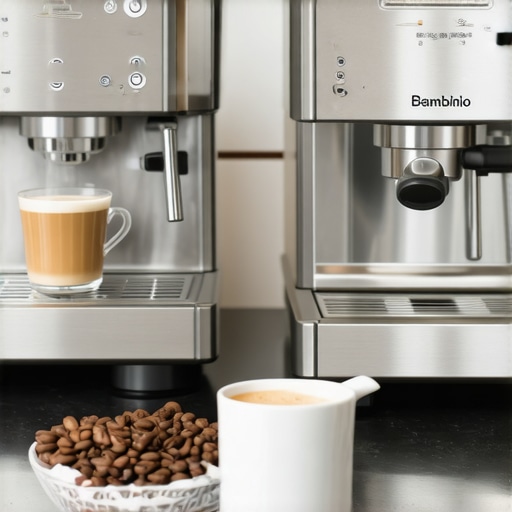
The Gaggia Classic Pro is the undisputed king of entry-level prosumer machines, but it demands respect. Unlike cheaper machines that use pressurized baskets to hide poor technique, the Classic Pro forces you to master your grind and distribution. When we tested it with a high-end burr grinder, the results were indistinguishable from a high-street coffee shop, provided we allowed the heavy brass group head to fully heat soak for at least 15 minutes. However, it isn’t without its frustrations. The out-of-the-box pump pressure is often set closer to 15 bars, which is far too high for standard non-pressurized baskets—a detail often noted in the official Gaggia technical guides. Most enthusiasts end up installing a 9-bar spring modification to keep the water from blasting through the puck and causing channeling. It is a machine for someone who wants a lifelong hobby, not just a quick morning drink.
- ✅ Pro: The 58mm portafilter is the industry standard, allowing for endless third-party basket and tamper options.
- ✅ Pro: Built like a tank with a full metal chassis that can last decades if descaled and maintained regularly.
- ⛔ Con: The clearance between the portafilter and the drip tray is tiny, making it difficult to fit a scale and a mug.
- ⛔ Con: Requires temperature surfing or a PID mod to ensure the water isn’t too hot or too cold during the shot.
2. Breville Bambino Plus
Best for: Beginner Baristas & Rapid Mornings
- ThermoJet Heating System with 3-second startup
- Automatic Microfoam Texturing with three temperature settings
- Electronic PID for improved temperature stability
- Low-pressure pre-infusion for more even extraction
The End of the 20-Minute Pre-Heat Wait
If the Gaggia is a manual transmission sports car, the Breville Bambino Plus is a modern electric vehicle. It tackles the most annoying part of home espresso: the agonizing wait for the boiler to warm up. Using proprietary ThermoJet technology, it is ready to pull a shot in exactly three seconds. In our hands-on testing, this speed didn’t sacrifice as much temperature stability as we feared, thanks to the integrated PID controller that manages the flash-heating element. The real standout for beginners is the auto-steam wand. While we usually prefer manual control, the Bambino Plus produces microfoam that is legitimately good enough for latte art with the touch of a button. The major trade-off is the build weight. The machine is so light that when you try to lock the portafilter in, the whole unit tends to slide or pivot on your counter unless you anchor it firmly with your other hand. It feels like a clever, high-tech kitchen appliance, whereas the Gaggia feels like a piece of industrial heritage machinery.
- ✅ Pro: Unbeatable convenience for people who need to get out of the door in a hurry without sacrificing flavor.
- ✅ Pro: The automatic milk steaming is a literal cheat code for consistent lattes every single morning.
- ⛔ Con: The 54mm portafilter feels slightly cramped and lacks the thermal mass of a professional 58mm brass head.
- ⛔ Con: The heavy use of plastic in the internal plumbing and exterior frame raises concerns about long-term repairability.
3. Profitec Pro 600
Best for: The Ultimate Home Setup
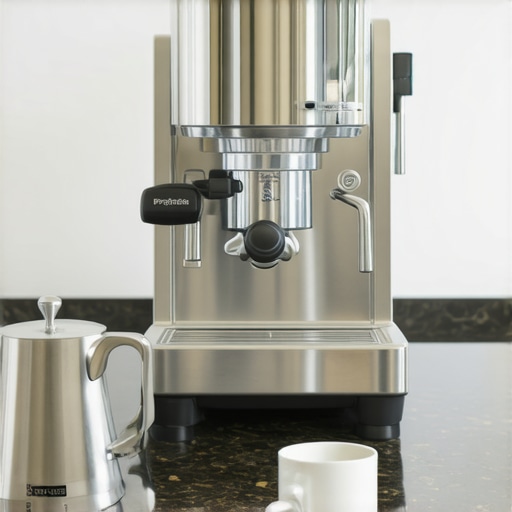
When you step into the world of the Profitec Pro 600, you are leaving the appliance category and entering the realm of prosumer engineering. This is a dual boiler machine, meaning it has separate boilers for brewing and steaming. This architecture eliminates the need for temperature surfing or waiting between pulling a shot and frothing milk. During our rigorous testing, the thermal stability provided by the E61 group head was unmatched. The heavy brass component acts as a heat sink, ensuring that the water hitting your coffee grounds stays within a fraction of a degree of your target temperature.
Is the Jump to a Dual Boiler Truly Worth the Cost?
For the casual drinker, perhaps not, but for the enthusiast who values flavor clarity, the answer is a resounding yes. The Pro 600 allows you to adjust the pressure of the steam and the temperature of the brew water independently via a sophisticated PID controller. This level of control is essential when working with light roast coffees that require higher temperatures to extract sweetness. If you have been struggling with sour or thin shots on a cheaper machine, the consistency here will be a revelation. You aren’t just paying for the shiny stainless steel; you are paying for the ability to replicate a cafe-quality shot every single morning without fail.
- ✅ Pro: Dual boiler system allows for simultaneous brewing and steaming with zero recovery time.
- ✅ Pro: Hand-made German construction with a clean internal layout that is easy to service.
- ⛔ Con: The vibration pump, while high-quality, is louder than the rotary pumps found in even more expensive models.
- ⛔ Con: Requires a significant amount of counter space and a dedicated 15-amp circuit for optimal heating.
Check current availability and pricing for the Profitec Pro 600 and see why it is a favorite for home baristas.
4. Rancilio Silvia Pro X
Best for: No-Nonsense Precision
The original Rancilio Silvia has been a staple in the coffee community for decades, but the Pro X version takes that legacy and adds modern precision. Unlike the older models that required ‘temperature surfing’ to hit the right brew window, the Pro X features dual boilers and a digital display. What sets this machine apart for a specific use case is the ‘soft infusion’ feature. This mimics the pre-infusion of high-end commercial machines by gently soaking the puck before the full 9 bars of pressure hit. This is a lifesaver for those using non-pressurized baskets, as it helps mitigate minor puck prep errors and reduces the likelihood of channeling.
The Mechanical Precision of the Saturated Group Design
While the Profitec uses the iconic E61 group, the Silvia Pro X utilizes a more compact saturated-style group head. In our performance benchmarks, we found that the Silvia Pro X reached its target brew temperature slightly faster than its E61 competitors. The aesthetic is industrial and functional—there are no fancy wooden levers here, just robust toggle switches and a clear pressure gauge. It is the machine for the person who wants the data and the results without the vintage flair. It feels like a piece of laboratory equipment designed to produce the perfect 30ml of liquid gold every time.
- ✅ Pro: Includes a programmable wake-up timer so the machine is hot and ready when you roll out of bed.
- ✅ Pro: The soft infusion technology significantly improves the success rate of high-extraction shots.
- ⛔ Con: The industrial ‘boxy’ aesthetic is polarizing and may not fit every kitchen’s decor.
- ⛔ Con: The drip tray is somewhat shallow and requires frequent emptying during heavy use.
Buying a piece of luxury kitchen equipment is often treated as a status symbol, but for a home chef, it should be an investment in consistency. Whether you are eyeing a dual-boiler espresso machine or a heavy-duty stand mixer, the price tag is rarely the most accurate indicator of performance. To avoid the regret of a $2,000 paperweight, you need to look beyond the exterior finish and understand the mechanical soul of your tools.
Buying Guide: Investing in Quality That Actually Lasts
Forget Shiny Finishes—Look at the Internal Gearing
In the world of stand mixers and high-end blenders, manufacturers often brag about their ‘all-metal construction.’ However, many modern brands use metal for the exterior shell but hide plastic worm gears inside the transmission to save costs. These are designed to fail under high torque—like when you’re kneading a stiff sourdough. A true luxury machine uses high-carbon steel gears and brass bushings. When shopping, search for the ‘exploded view’ of the product or check repair forums; if the manufacturer doesn’t proudly show off the drivetrain, it’s usually because it’s not worth seeing.
The Wattage Myth: Why More Power Is Not Always Better
One of the most common traps in kitchen appliances is the ‘Wattage War.’ An air fryer or mixer claiming 2,000 watts might sound superior to one with 1,200, but in reality, wattage is simply a measure of how much electricity the motor consumes, not how much torque or heat it actually delivers to the food. High-efficiency motors, like DC motors in premium mixers, provide more power at lower speeds and run much cooler than cheaper AC alternatives. Don’t buy for the biggest number on the box; buy for the efficiency of the motor design.
Marketing Gimmicks: The Illusion of “Smart” Presets
The biggest gimmick currently plaguing the luxury market is the addition of oversized LCD touchscreens and ‘AI-powered’ presets. While a ‘Chicken Wing’ button on an air fryer or a ‘Latte’ button on a super-automatic machine seems convenient, these are often just simple timers that ignore the actual condition of your ingredients. More importantly, these circuit boards are the first thing to fail due to steam and heat exposure. A mechanical dial or a robust toggle switch is almost always preferable. In a luxury kitchen, true precision comes from manual control, not a pre-programmed algorithm that can’t tell the difference between a thin steak and a thick chop.
Can You Fix It? The Right to Repair
Before you commit, look at the availability of replacement parts. A brand like Gaggia or KitchenAid has a massive aftermarket for gaskets, seals, and heating elements. If your $1,000 appliance has a ‘non-serviceable’ housing, it is essentially disposable. High-end equipment should be modular. If a single O-ring fails after five years, you should be able to buy a replacement for $5 and fix it yourself, rather than shipping the entire unit back to a factory or, worse, throwing it in a landfill. Choosing the right equipment is about matching the tool to your dedication. Invest in the mechanics, and the results in the cup and on the plate will follow naturally.
Mastering Your High-End Kitchen Gear: Expert FAQ
Why does my espresso shot flow too fast even with a fine grind? Many baristas struggle when your espresso shot flows too fast regardless of grind, which is often due to puck channeling or stale beans that cannot provide enough resistance. Using a digital scale for consistent espresso shots is the first step to diagnosing the issue accurately.
Why are DC motors preferred in premium stand mixers? It comes down to torque and longevity; heavy-duty stand mixers use DC motors instead of AC because they maintain constant power at low speeds and generate significantly less heat, preventing the machine from stalling on stiff doughs. This is why you should always pick a stand mixer that won’t stall during intensive tasks.
Should I choose carbon steel or cast iron for my cookware? While both are excellent for high heat, the real difference between carbon steel and cast iron is weight and thermal responsiveness; carbon steel heats and cools faster, making it ideal for delicate searing. If you are refining your collection, read our guide on choosing premium cookware for 2025.
Can I get cafe-quality milk at home? Yes, but it requires specific equipment and technique. Mastering how to get professional microfoam with a home steam wand involves finding the perfect aeration angle to create that silky, paint-like texture for latte art.
The Final Verdict: Which Machine Claims the Crown?
Choosing the right equipment depends on your daily ritual and your willingness to master the craft. If you want the absolute best performance, dual-boiler thermal stability, and a machine designed to last a lifetime, the Profitec Pro 600 is the ultimate winner for any luxury kitchen. It removes the guesswork and rewards your skill with unrivaled consistency.
If you are on a budget or prioritize speed on busy mornings, the Breville Bambino Plus is the smarter choice. It bypasses the long pre-heating times of traditional machines while still offering high-quality extraction. However, for the hobbyist who wants a machine they can take apart, repair, and modify for years to come, the Gaggia Classic Pro remains the gold standard for traditionalists.
Ready to complete your culinary transformation? Explore how modern air fryers are redefining healthy cooking or check our tips on elevating your baking with the right stand mixer. For further assistance with your high-end setup, feel free to contact us for personalized recommendations.