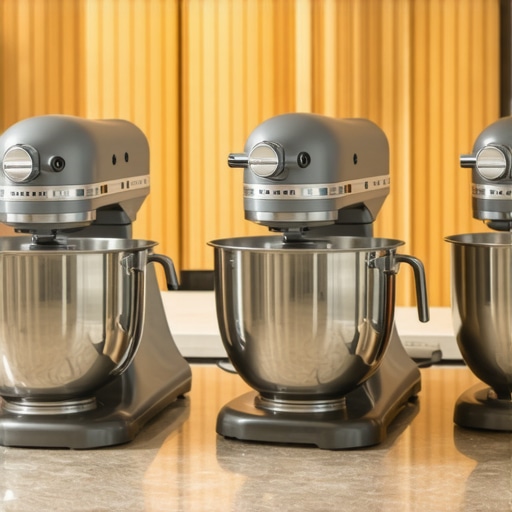
I remember the day I attempted my first serious sourdough bake with my then-new stand mixer. The dough was enormous, sticky, and defied my efforts. It was a lightbulb moment—my trusty old machine struggled against the weight, sputtered, and eventually gave out. That’s when I realized that in 2026, if you’re serious about heavy sourdough, you need more than just a regular stand mixer; you need a powerhouse designed for those demanding loads.
Why Heavy Baking Calls for a Different Kind of Mixer
Heavy sourdough loads aren’t your average mix. They require a motor with high torque, consistent power, and durability that withstands prolonged use. If you’ve ever experienced a mixer that stalls mid-knead or overheats after a few batches, you understand the struggle. Making bread at this level isn’t just about mixing ingredients; it’s about trusting your equipment to handle your culinary ambitions.
Is Bigger Better? Will a High-Torque Stand Mixer Make a Difference?
Early on, I wrongly believed that any large capacity mixer would do the trick. Spoiler: it won’t. I bought a bulky model that lacked the torque needed for dense doughs, and it kept slipping or overheating. I wish I had known about high-torque mixers designed for tough doughs before my first failed attempt. Trust me, investing in the right motor strength is crucial for consistent results and equipment longevity.
Recent studies show that powerful stand mixers significantly reduce mixing time and improve dough quality, especially for artisan bread makers (source: Baking Business). So, if you’re dreaming of perfect, bakery-level sourdough at home, it’s time to upgrade.
What You Can Expect in 2026
In upcoming sections, I’ll guide you through selecting the best stand mixer tailored for heavy loads, how to identify models with the optimal features, and how to avoid common pitfalls. Whether you’re a home baker or a professional, choosing the right equipment can elevate your baking game to new heights. Ready to find the perfect match for your sourdough obsession? Let’s get started.
Choose the Ideal Mixer with Serious Power
Start by assessing your needs for dense, high-hydration doughs. Look for mixers boasting at least 500 watts and a robust gear-driven transmission. I once tried to knead a 3-kilo batch of sourdough with a mid-range mixer, which quickly struggled and tripped the circuit. That harsh lesson taught me that a high-torque model is essential for heavy loads. Visit this guide to identify the most reliable high-torque mixers for 2026.
Prepare Your Equipment Like a Pro
Before mixing, ensure your mixer bowl and paddle are securely attached. Some models feature locking mechanisms that prevent slips under load. I once skipped tightening these and ended up with a flour explosion—messy but educational. Use premium 5-ply cookware as an analogy: quality components prevent uneven heat, just as premium gears prevent inconsistent mixing.
Optimize Your Mixing Technique
Start on a low speed to incorporate ingredients gradually, avoiding flour clouds. As the dough forms, increase to a medium-high setting to develop gluten. I recall mixing a particularly sticky sourdough by gradually raising speed; the dough became elastic and easy to work with, saving me from overworking it. Think of it as tuning a high-end espresso machine—precision at each step yields better results. For advanced models, consider machines with variable speed control to fine-tune your process.
Monitor and Adjust for Consistency
Keep an eye on dough texture—should be smooth, elastic, and slightly tacky. If it feels overly stiff or sticky, adjust by adding small amounts of water or flour during kneading, not afterward. In my experience, patience and incremental adjustments ensure perfect dough regardless of mixer power. Think of your mixer as a premium air fryer—precise temperature and timing determine the outcome. For cleaner, safer cooking, explore cleaner appliances that reduce mess and fuss.
Test and Tweak Your Setup Regularly
Consistent baking demands experimentation. Record your mixer settings, dough hydration, and results. For instance, I experimented with different kneading times and learned that a 10-minute knead at medium-high speed produced the best gluten structure for my sourdough. Think of this process like upgrading your cookware—testing different sets, like ceramic sets, ensures durability and uniform heating. Regular tuning keeps your sourdough consistent and your equipment reliable.Many home chefs believe that buying the most expensive espresso machine or stand mixer guarantees professional-level results, but this is a misconception. In reality, understanding the subtleties of these appliances and their proper use makes all the difference. For example, a common myth is that larger capacity always means better performance—yet, without sufficient torque, a big mixer can struggle with dense doughs, leading to stalled gears and overheating, a trap many fall into. Instead, selecting a high-torque stand mixer designed for tough loads is crucial; for instance, models highlighted in this guide excel at handling heavy baking demands.
Another misconception involves luxury kitchen appliances like air fryers. Many assume that all air fryers are equally safe and non-toxic, but some models use non-stick coatings containing PFOA or PFA, which can leach harmful chemicals into food. To avoid this, opt for PTFE-free air fryers that prioritize safety and non-toxicity. It’s also worth noting that not all premium cookware distributes heat evenly; choosing multi-ply copper sets with careful attention to construction prevents hotspots and ensures consistent cooking, as discussed here.
For advanced enthusiasts, a critical question is whether features like auto-tamping or dual boilers genuinely improve espresso quality or are just marketing gimmicks. The truth is, consistent results depend on a combination of proper technique and equipment calibration—something that goes beyond just buying high-end gear. According to expert insights in this article, focusing on precise pressure profiling and temperature stability yields better crema and flavor.
Remember, the hidden nuance lies in understanding that equipment alone doesn’t guarantee perfect results. Skill, maintenance, and knowledge play equally vital roles. For example, even the most advanced stand mixer or espresso machine can underperform if not properly calibrated or maintained. Regular testing and tweaking, much like tuning a high-performance car, elevate your results from good to exceptional.
Have you ever fallen into this trap? Let me know in the comments and share your experiences with luxury kitchen gear. Mastery comes from recognizing these subtle differences and making informed choices that match your culinary ambitions.
Keep Your Kitchen Gear Running Smoothly
Owning high-end appliances like premium cookware, air fryers, or stand mixers is just the beginning; maintaining them over time is key to preserving performance and extending their lifespan. Regular upkeep not only ensures consistent results but also saves money by avoiding premature replacements. In my experience, adopting specific tools and routines tailored to each appliance makes a significant difference.
What Are My Go-To Maintenance Strategies for Luxury Kitchen Equipment?
For stand mixers handling dense bread dough, I rely on high-torque models and perform periodic gear lubrication with manufacturer-approved lubricants. Cleaning the motor vents and brushes every few months prevents overheating. Similarly, for air fryers, I use static-free accessories to prevent dust buildup, and I replace non-stick coatings when signs of wear appear, opting for PTFE-free versions to avoid toxins.
To protect my cookware, I follow manual cleaning routines—avoiding harsh abrasives—and make sure they’re stored properly to prevent warping. For electronics like espresso machines, regular descaling with manufacturer-approved solutions and software updates ensures optimal extraction quality.
Essential Tools for Longevity and Precision
Investing in quality cleaning tools such as microfiber cloths, soft brushes, and gentle descaling agents helps maintain equipment performance. For grinding and cleaning, I recommend zero-retention grinders that keep beans fresh and reduce buildup, making cleaning routine straightforward.
Additionally, having a reliable calibration kit for your espresso machine, like a digital thermometer and pressure gauge, allows you to fine-tune settings over time, keeping results consistent even after years of use.
How do I keep my gear operating effectively over time?
Developing a maintenance routine tailored to each appliance’s specific needs is crucial. Schedule regular cleaning, lubrication, and calibration, and don’t neglect small signs of wear — addressing them promptly can prevent costly breakdowns. Modern tools, such as high-quality cookware sets with durable construction, also contribute greatly to long-term success.
Looking ahead, advances in smart diagnostic technology may make ongoing maintenance even simpler. For instance, future espresso machines could alert you automatically when descaling or cleaning is due, much like modern cars do. Embracing these innovations now can lead to a more effortless maintenance routine.
Try incorporating a weekly inspection checklist into your routine — it might seem simple, but it can catch issues early and keep everything operating at peak performance for years to come. Remember, proper maintenance is an investment that pays off in perfect results and appliance longevity.
What I Didn’t Expect About Heavy Baking Powerhouses
One of my biggest lightbulb moments was realizing that not all large mixers can handle the weight of serious sourdough. I once purchased a bulky model expecting it to breeze through dense doughs, only to find it struggling and overheating. It became clear that motor torque matters more than capacity alone. Now, I focus on high-torque stand mixers that can handle the toughest loads without breaking a sweat.
Secrets the Pros Keep Quiet About Heavy Dough Mastery
After years of experimenting, I learned that the key isn’t just in the mixer but in how you prepare and use it. Locking mechanisms for bowls and paddles prevent slips, and gradual speed increases develop gluten structure without stress. These subtle tweaks make a massive difference, and sharing these insights has elevated my baking, making each loaf more consistent than ever.
Tools That Turn Heavy-Duty Baking Into a Breeze
I’ve come to trust tools like top-rated high-torque stand mixers and premium 5-ply cookware. These not only withstand the demands of heavy dough but also deliver uniform results and durability that pay off in the long run. Investing in quality gear simplifies the process and elevates your baking game significantly.
Leave No Dough Behind: Care for Your Kitchen Titans
Maintenance is crucial; regular gear lubrication, thorough cleaning, and timely replacements keep heavy-duty mixers running smoothly. I schedule routine checks and keep spare parts handy—little habits that prevent unexpected breakdowns. Additionally, using non-toxic, PTFE-free accessories protects both my appliances and my health, ensuring my kitchen remains a safe haven for culinary experimentation.
What I Wish I Had Known Before Going Pro
- Don’t assume more capacity equals better performance; torque is king for heavy doughs.
- Subtle adjustments during kneading—like water or flour additions—create consistent, elastic doughs every time.
- Regular maintenance and using the right tools extend equipment lifespan and maintain peak performance.
- Investing in quality gear might seem costly upfront, but it pays dividends through reliability and baking quality.
Resources That Make Heavy Baking Feel Like a Breeze
I rely on these high-torque mixers to power through dense sourdough, and quality cookware ensures even heat distribution. For ongoing tips, I follow expert blogs like Baking Business. They keep me informed about the latest innovations and maintenance strategies, helping me stay ahead in the art of heavy bread baking.
Take Your Heavy-Dough Adventure Further
Embarking on serious sourdough baking isn’t just about buying the right mixer; it’s a journey of learning, patience, and care. With the right tools, maintenance mindset, and a willingness to adapt, you’ll elevate your baking from good to bakery-quality at home. Remember, mastery isn’t just about equipment—it’s about how you listen to your ingredients and your machine’s needs.
So, are you ready to invest in a high-torque stand mixer and unlock new consistency in your sourdough? Share your experiences or ask questions below—I’d love to hear about your journey toward heavy baking mastery!
This post really hits home for me because I’ve been experimenting with heavy sourdough loads and have noticed a significant difference when using a high-torque mixer versus just a large capacity one. I used to think that more capacity was the key, but I quickly learned that the torque and build quality matter just as much, if not more, for dense doughs. One thing I’ve found helpful is ensuring my mixer’s bowl and attachments are securely locked before starting—overlooking that can lead to messes and inconsistent kneading. I’m curious, how do others here approach adjusting the hydration level during extended kneading sessions? I’ve read that adding water gradually can really help with gluten development, but I’d love to hear more personalized tips from fellow heavy-duty bread bakers. It’s an interesting balancing act between technique and equipment, and I’m eager to refine my process further. Anyone else experience a noticeable difference with the right gear?