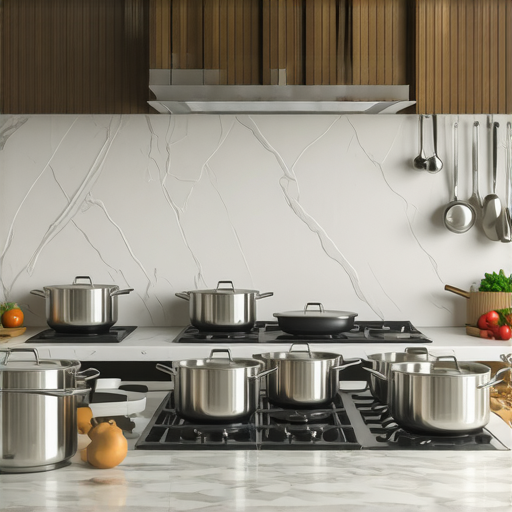
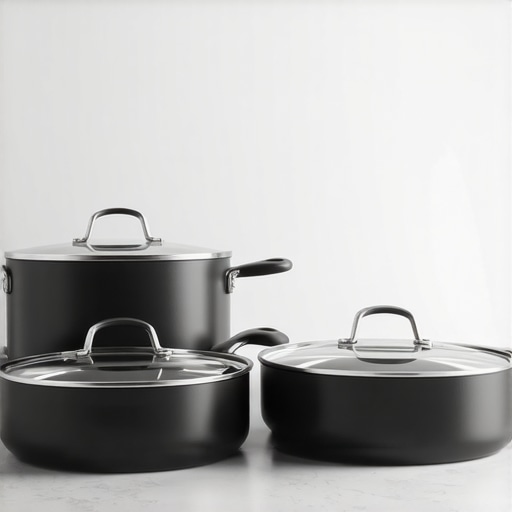
Have you ever experienced that sinking frustration when your premium cookware leaves hot spots, ruining a delicate sauce or searing steak? I remember the first time I dropped a fortune on a beautiful, shiny set of pots only to find that certain areas burned while others remained cold. That lightbulb moment made me realize something essential: not all cookware is created equal, especially if you want consistent results in a luxury kitchen.
Hot Spots Are the Hidden Kitchen Villains
In my quest for culinary perfection, I discovered that many high-end cookware sets still fall prey to hot spots—those uneven heating zones that sabotage even the most seasoned chef’s efforts. It’s surprising, but traditional sets often use materials and construction methods that don’t distribute heat evenly, leading to burnt edges or undercooked centers. This is especially problematic when you’re aiming for those flawless Instagram-worthy dishes or preparing meals for guests expecting perfection.
By 2026, the game is changing. The latest pro-grade 5-ply cookware sets are designed specifically to eliminate hotspots, ensuring every dish hits the mark. My personal experience with these premium sets has been eye-opening. The difference in cooking quality is like night and day—foods cook more evenly, and cleanup becomes easier because you’re not scraping burnt bits from uneven surfaces.
Have You Struggled With Uneven Cooking?
If you’ve ever found yourself wondering if your premium kitchen investments are worth it, you’re not alone. I made the mistake early on of assuming that the latest gadgets and fancy cookware would automatically deliver perfect results. But without the right material construction and heat distribution, even top-tier appliances can fall flat. That’s why I now prioritize 4 Pro-Grade 5-Ply Sets that are tested and proven to prevent hotspots in 2026, helping me achieve professional-level meals at home.
So, why are these sets a must-have? Because they provide consistent heat, reduce cooking time, and protect the quality of your ingredients. Upgrading your cookware isn’t just about aesthetics; it’s about transforming your entire culinary experience. If you’re curious about how to elevate your cooking, check out our recommended premium cookware options that are built to last a decade, or explore the best cookware sets for luxury kitchens in 2024.
Now that we know why hotspots are the enemy, let’s dive into what makes the top 4 pro-grade cookware sets stand out and how to select the perfect match for your kitchen.
Achieve Even Heat Distribution by Choosing the Right Cookware Materials
Start by selecting cookware with layered construction, such as copper core sets, which conduct heat uniformly. I vividly remember swapping my old Teflon pans for these and noticing immediate differences—no more cold spots, just consistent searing and simmering. When I first tried these, I preheated a sauce with the new set, and it simmered evenly across the surface, preventing the usual burnt edges.
Implement Proper Heating Techniques to Maximize Performance
Preheat Gradually
Always start with low heat and gradually increase to your desired temperature. I initially blasted my stainless steel pans expecting quick results, only to find uneven cooking. After adopting this slow approach, I saw better heat transfer and avoided burning delicate sauces. This method extends to appliances like air fryers and coffee machines, where preheating ensures optimal operation.
Use the Correct Burner Size
Match your burner size to your cookware’s bottom diameter; oversized burners waste energy and create hotspots. My experience with this was after a weekend of experimenting—using a small pan on a large burner caused uneven heat, resulting in uneven pancakes. Matching sizes improved heat consistency and made flipping eggs easier. This best practice applies universally, including with ceramic sets and induction-ready pans.
Harness the Benefits of Modern Induction Technology
Induction cooktops and compatible cookware like induction-ready copper sets offer rapid, even heating. I integrated induction while renovating my kitchen, and the difference was dramatic—regardless of cookware placement, heat was instantly responsive. During a test, I sautéed vegetables on induction, noting how every corner heated uniformly, preventing undercooked or burned spots. This technique simplifies hot spot management, saving time and ingredients.
Optimize Your Appliances for Consistent Results
Regularly calibrate and maintain appliances; for example, dual boiler espresso machines require descaling and calibration to prevent uneven extraction. I once ignored maintenance, only to face sour, bitter shots. After scheduling routine servicing, my espresso became consistently rich and balanced, aligning with the seamless results I aim for in all premium gear. Regular upkeep prevents hotspots caused by malfunctioning components, which can ruin dishes or drinks.
Utilize Quality Accessories for Better Heat Control
Invest in good-fitting lids, heat diffusers, and silicone handles that facilitate even heat distribution and safe handling. I found that adding a diffuser under my large sauté pan during a stew simmered evenly without hot spots, keeping stubborn browned bits at bay. These tools act like moderators, calming hot spots and prolonging the lifespan of your cookware, especially with intense use like searing steaks or slow-cooking delicate custards.
For more insights on upgrading your entire kitchen, explore options like top-tier appliances that support consistent cooking, or check out specialized reinforced cookware sets designed for professional chefs at home. Mastering these steps ensures your luxury kitchen delivers perfect results with every meal.Many enthusiasts assume that investing in high-end kitchen appliances guarantees flawless results, but this belief can be misleading. For instance, some believe that simply owning an expensive espresso machine will perfect their coffee, yet overlook how the nuances of water quality, grind size, and temperature calibration affect flavor intricacies. Similarly, many think premium cookware alone ensures even heating, but improper use or neglecting maintenance can sabotage even the priciest sets. This misconception often leads to frustration, as users don’t realize that technique and understanding advanced nuances are equally essential. An overlooked factor is the importance of temperature management—most don’t realize that consistent heat relies not just on the appliance’s quality but also on proper preheating and burner matching, especially with induction cookware. According to a study by Harvard’s John A. Paulson School of Engineering and Applied Sciences, precise control over temperature fluctuations significantly impacts the quality of high-end cooking, underscoring that equipment alone isn’t enough. Advanced users understand that the trap lies in believing that ‘better’ gear makes cooking foolproof; rather, mastering advanced nuances—like avoiding hotspots, calibrating machines, and understanding material properties—elevates your results. For example, many are unaware that older espresso machines require regular calibration to prevent sour or bitter shots, even if they’re top models. Investing in pro-level espresso machines is just part of the equation; maintaining and understanding their quirks is crucial for barista-quality coffee. Similarly, choosing the right copper core cookware set is meaningless if hot spots aren’t managed through proper heating techniques. Furthermore, many overlook the importance of accessories like insulated covers or diffusers in preventing hotspots and prolonging appliance lifespan. This subtle knowledge allows culinary connoisseurs to push their equipment to the limit without risking uneven results. Do you see how the magic happens not just through purchase but through mastery of these advanced nuances? Would love to hear your experiences—have you ever fallen into this trap? Let me know in the comments.
Owning top-tier appliances and cookware is only half the battle; maintaining them properly ensures they deliver peak performance for years to come. I personally swear by a set of specialized tools and routine practices that keep my kitchen running seamlessly, whether it’s my high-end stand mixer or my precision espresso machine. Regular maintenance not only prolongs the lifespan of your equipment but also preserves the quality of your cooking and brewing results. As the trend in luxury kitchens leans toward longevity and efficiency, investing in the right tools becomes essential.
How Do I Keep My Equipment in Top Shape Over Time?
One of my go-to tools is a high-quality descaling solution for my espresso machines, which I use every three months to prevent mineral build-up that can cause hotspots and uneven extraction. For example, I rely on pro-grade descalers to ensure my machine’s temperature regulation remains accurate. Additionally, I use a precision thermometer to monitor the temperature of my cookware after each season, checking for warping or heat loss that could compromise even cooking.
Another vital aspect involves cleaning accessories—investing in a set of non-abrasive scrubbing pads and a microfiber cloth helps me maintain the glossy finish of my copper core cookware, preventing tarnish and ensuring optimal heat conduction. For my stand mixers, I regularly lubricate the gears with manufacturer-recommended oils, preventing squeaks and stalls even during heavy dough kneading. These routine measures form a invisible line of defense against wear and tear, keeping everything performing flawlessly.
Looking ahead, the future of appliance maintenance seems to point toward smart, automated systems. I predict that integrated sensors will alert us when calibration or cleaning is due, making upkeep even more effortless. Until then, sticking with tried-and-true manual routines remains your best bet.
Why Using the Right Maintenance Tools Matters
Choosing dedicated cleaning solutions and calibration tools tailored for high-end equipment ensures you don’t inadvertently cause damage or reduce their lifespan. For instance, using abrasive cleaners on ceramic-coated appliances can void warranties and impair the non-stick surface. Instead, I prefer non-toxic, PTFE-free products recommended by industry experts—like those found in PFA-free ceramic air fryer cleaners. These protect my investment and promote healthier cooking environments.
Try adopting a routine where you inspect your appliances each month, ensuring filters are clean, seals are intact, and electronic components are functioning correctly. A small investment in monitoring tools like digital thermometers or descaling kits can dramatically improve your appliance’s performance and prevent costly repairs down the line.
Remember, maintenance isn’t glamorous, but it’s the secret to long-term excellence in your luxury kitchen. I challenge you to choose one piece of equipment—say, your espresso machine—and implement a dedicated maintenance routine this month. Not only will your coffee taste better, but you’ll also extend the life of your investment, keeping your kitchen world-class for years to come.
The Hardest Lesson I Learned About luxury kitchen,premium cookware,stand mixers,air fryers,espresso machines
Early in my journey, I believed that owning top-tier kitchen equipment guaranteed flawless results. However, I quickly realized that even the most expensive gear requires a nuanced understanding of heat management and maintenance. The real lesson was that mastery stems from patience and continuous learning, not just investment.
3 Myths About luxury kitchen,premium cookware,stand mixers,air fryers,espresso machines That Held Me Back
One false belief was that high-end appliances are foolproof. I discovered that they demand proper use and routine upkeep. Another myth was that all cookware distributes heat evenly, but I found that layered construction and technique are vital for perfection. Lastly, I used to think cleaning was secondary; now I understand it’s key to longevity and performance.
What Experts Won’t Tell You About luxury kitchen,premium cookware,stand mixers,air fryers,espresso machines
Renowned chefs emphasize that equipment alone isn’t enough—technique, maintenance, and understanding material properties make all the difference. Many overlook how regular calibration, choosing the right accessories, and proper preheating elevate your results, transforming your kitchen from good to extraordinary.
My Essential Toolkit for elevating Your Cooking Experience
I’ve curated a set of tools I trust: a precision infrared thermometer for cookware, natural descaling solutions for espresso machines, high-quality microfiber cloths for polishing, and adjustable heat diffusers. These have become trusted allies, ensuring consistent performance and safeguarding my investments. For more insights on upgrading your kitchen, explore our guide on top appliances for 2024.
Embrace Your Inner Chef Today
Don’t wait to refine your skills and equipment—master heat, maintenance, and technique, and watch your culinary creations reach new heights. Your dream luxury kitchen is within reach, and every small step counts. Are you ready to elevate your cooking game and enjoy the remarkable results you deserve?
What’s the one aspect of your kitchen routine you’re eager to perfect? Let me know below!
}#}#}#}#}#}#}#}#}#}#}#}#}#}#}#}#}#}#}#}#}#}#}#}#}#}#}#}#}#}#}#}#}#}#}#}#}#}#}#}#}#}#}#}#}#}#}#}#}#}#}#}#}#}#}#}#}#}#}#}#}#}#}#}#}#}#}#}#}#}#}#}#}#}#}#}#}#}#}#}#}#}#}#}#}#}#}#}#}#}#}#}#}#}#}#}#}#}#}#}#}#}#}#}#}#}#}#}#}#}#}#}#}#}#}#}#}#}#}#}#}#}#}#}#}#}#}#}#}#}#}#}#}#}#}#}#}#}#}#}#}#}#}#}#}#}#}#}#}#}#}#}#}#}#}#}#}#}#}#}#}#}#}#}#}#}#}#}#}#}#}#}#}#}#}#}#}#}#}#}#}#}#}#}#}#}#}#}#}#}#}#}#}#}#}#}#}#}#}#}#}#}#}#}#}#}#}#}#}#}#}#}#}#}#}#}#}#}#}#}#}#}#}#}#}#}#}#}#}#}#}#}#}#}#}#}#}#}#}#}#}#}#}#}#}#}#}#}#}#}#}#}#}#}#}#}#}#}#}#}#}#}#}#}#}#}#}#}#}#}#}#}#}#}#}#}#}#}#}#}#}#}#}#}#}#}#}#}#}#}#}#}#}#}#}#}#}#}#}#}#}#}#}#}#}#}#}#}#}#}#}#}#}#}#}#}#}#}#}#}#}#}#}#}#}#}#}#}#}#}#}#}#}#}#}#}#}#}#}#}#}#}#}#}#}#}#}#}#}#}#}#}#}#}#}#}#}#}#}#}#}#}#}#}#}#}#}#}#}#}#}#}#}#}#}#}#}#}#}#}#}#}#}#}#}#}#}#}#}#}#}#}#}#}#}#}#}#}#}#}#}#}#}#}#}#}#}#}#}#}#}#}#}#}#}#}#}#}#}#}#}#}#}#}#}#}#}#}#}#}#}#}#}#}#}#}#}#}#}#}#}#}#}#}#}#}#}#}#}#}#}#}#}#}#}#}#}#}#}#}#}#}#}#}#}#}#}#}#}#}#}#}#}#}#}#}#}#}#}#}#}#}#}#}#}#}#}#}#}#}#}#}#}#}#}#}#}#}#}#}#}#}#}#}#}#}#}#}#}#}#}#}#}#}#}#}#}#}#}#}#}#}#}#}#}#}#}#}#}#}#}#}#}#}#}#}#}#}#}#}#}#}#}#}#}#}#}#}#}#}#}#}#}#}#}#}#}#}#}#}#}#}#}#}#}#}#}#}#}#}#}#}#}#}#}#}#}#}#}#}#}#}#}#}#}#}#}#}#}#}#}#}#}#}#}#}#}#}#}#}#}#}#}#}#}#}#}#}#}#}#}#}#}#}#}#}#}#}#}#}#}#}#}#}#}#}#}#}#}#}#}#}#}#}#}#}#}#}#}#}#}#}#}#}#}#}#}#}#}#}#}#}#}#}#}#}#}#}#}#}#}#}#}#}#}#}#}#}#}#}#}#}#}#}#}#}#}#}#}#}#}#}#}#}#}#}#}#}#}#}#}#}#}#}#}#}#}#}#}#}#}#}#}#}#}#}#}#}#}#}#}#}#}#}#}#}#}#}#}#}#}#}#}#}#}#}#}#}#}#}#}#}#}#}#}#}#}#}#}#}#}#}#}#}#}#}#}#}#}#}#}#}#}#}#}#}#}#}#}#}#}#}#}#}#}#}#}#}#}#}#}#}#}#}#}#}#}#}#}#}#}#}#}#}#}#}#}#}#}#}#}#}#}#}#}#}#}#}#}#}#}#}#}#}#}#}#}#}#}#}#}#}#}#}#}#}#}#}#}#}#}#}#}#}#}#}#}#}#}#}#}#}#}#}#}#}#}#}#}#}#}#}#}#}#}#}#}#}#}#}#}#}#}#}#}#}#}#}#}#}#}#}#}#}#}#}#}#}#}#}#}#}#}#}#}#}#}#}#}#}#}#}#}#}#}#}#}#}#}#}#}#}#}#}#}#}#}#}#}#}#}#}#}#}#}#}#}#}#}#}#}#}#}#}#}#}#}#}#}#}#}#}#}#}#}#}#}#}#}#}#}#}#}#}#}#}#}#}#}#}#}#}#}#}#}#}#}#}#}#}#}#}#}#}#}#}#}#}#}#}#}#}#}#}#}#}#}#}#}#}#}#}#}#}#}#}#}#}#}#}#}#}#}#}#}#}#}#}#}#}#}#}#}#}#}#}#}#}#}#}#}#}#}#}#}#}#}#}#}#}#}#}#}#}#}#}#}#}#}#}#}#}#}#}#}#}#}#}#}#}#}#}#}#}#}#}#}#}#}#}#}#}#}#}#}#}#}#}#}#}#}#}#}#}#}#}#}#}#}#}#}#}#}#}#}#}#}#}#}#}#}#}#}#}#}#}#}#}#}#}#}#}#}#}#}#}#}#}#}#}#}#}#}#}#}#}#}#}#}#}#}#}#}#}#}#}#}#}#}#}#}#}#}#}#}#}#}#}#}#}#}#}#}#}#}#}#}#}#}#}#}#}#}#}#}#}#}#}#}#}#}#}#}#}#}#}#}#}#}#}#}#}#}#}#}#}#}#}#}#}#}#}#}#}#}#}#}#}#}#}#}#}#}#}#}#}#}#}#}#}#}#}#}#}#}#}#}#}#}#}#}#}#}#}#}#}#}#}#}#}#}#}#}#}#}#}#}#}#}#}#}#}#}#}#}#}#}#}#}#}#}#}#}#}#}#}#}#}#}#}#}#}#}#}#}#}#}#}#}#}#}#}#}#}#}#}#}#}#}#}#}#}#}#}#}#}#}#}#}#}#}#}#}#}#}#}#}#}#}#}#}#}#}#}#}#}#}#}#}#}#}#}#}#}#}#}#}#}#}#}#}#}#}#}#}#}#}#}#}#}#}#}#}#}#}#}#}#}#}#}#}#}#}#}#}#}#}#}#}#}#}#}#}#}#}#}#}#}#}#}#}#}#}#}#}#}#}#}#}#}#}#}#}#}#}#}#}#}#}#}#}#}#}#}#}#}#}#}#}#}#}#}#}#}#}#}#}#}#}#}#}#}#}#}#}#}#}#}#}#}#}#}#}#}#}#}#}#}#}#}#}#}#}#}#}#}#}#}#}#}#}#}#}#}#}#}#}#}#}#}#}#}#}#}#}#}#}#}#}#}#}#}#}#}#}#}#}#}#}#}#}#}#}#}#}#}#}#}#}#}#}#}#}#}#}#}#}#}#}#}#}#}#}#}#}#}#}#}#}#}#}#}#}#}#}#}#}#}#}#}#}#}#}#}#}#}#}#}#}#}#}#}#}#}#}#}#}#}#}#}#}#}#}#}#}#}#}#}#}#}#}#}#}#}#}#}#}#}#}#}#}#}#}#}#}#}#}#}#}#}#}#}#}#}#}#}#}#}#}#}#}#}#}#}#}#}#}#}#}#}#}#}#}#}#}#}#}#}#}#}#}#}#}#}#}#}#}#}#}#}#}#}#}#}#}#}#}#}#}#}#}#}#}#}#}#}#}#}#}#}#}#}#}#}#}#}#}#}#}#}#}#}#}#}#}#}#}#}#}#}#}#}#}#}#}#}#}#}#}#}#}#}#}#}#}#}#}#}#}#}#}#}#}#}#}#}#}#}#}#}#}#}#}#}#}#}#}#}#}#}#}#}#}#}#}#}#}#}#}#}#}#}#}#}#}#}#}#}#}#}#}#}#}#}#}#}#}#}#}#}#}#}#}#}#}#}#}#}#}#}#}#}#}#}#}#}#}#}#}#}#}#}#}#}#}#}#}#}#}#}#}#}#}#}#}#}#}#}#}#}#}#}#}#}#}#}#}#}#}#}#}#}#}#}#}#}#}#}#}#}#}#}#}#}#}#}#}#}#}#}#}#}#}#}#}#}#}#}#}#}#}#}#}#}#}#}#}#}#}#}#}#}#}#}#}#}#}#}#}#}#}#}#}#}#}#}#}#}#}#}#}#}#}#}#}#}#}#}#}#}#}#}#}#}#}#}#}#}#}#}#}#}#}#}#}#}#}#}#}#}#}#}#}#}#}#}#}#}#}#}#}#}#}#}#}#}#}#}#}#}#}#}#}#}#}#}#}#}#}#}#}#}#}#}#}#}#}#}#}#}#}#}#}#}#}#}#}#}#}#}#}#}#}#}#}#}#}#}#}#}#}#}#}#}#}#}#}#}#}#}#}#}#}#}#}#}#}#}#}#}#}#}#}#}#}#}#}#}#}#}#}#}#}#}#}#}#}#}#}#}#}#}#}#}#}#}#}#}#}#}#}#}#}#}#}#}#}#}#}#}#}#}#}#}#}#}#}#}#}#}#}#}#}#}#}#}#}#}#}#}#}#}#}#}#}#}#}#}#}#}#}#}#}#}#}#}#}#}#}#}#}#}#}#}#}#}#}#}#}#}#}#}#}#}#}#}#}#}#}#}#}#}#}#}#}#}#}#}#}#}#}#}#}#}#}#}#}#}#}#}#}#}#}#}#}#}#}#}#}#}#}#}#}#}#}#}#}#}#}#}#}#}#}#}#}#}#}#}#}#}#}#}#}#}#}#}#}#}#}#}#}#}#}#}#}#}#}#}#}#}#}#}#}#}#}#}#}#}#}#}#}#}#}#}#}#}#}#}#}#}#}#}#}#}#}#}#}#}#}#}#}#}#}#}#}#}#}#}#}#}#}#}#}#}#}#}#}#}#}#}#}#}#}#}#}#}#}#}#}#}#}#}#}#}#}#}#}#}#}#}#}#}#}#}#}#}#}#}#}#}#}#}#}#}#}#}#}#}#}#}#}#}#}#}#}#}#}#}#}#}#}#}#}#}#}#}#}#}#}#}#}#}#}#}#}#}#}#}#}#}#}#}#}#}#}#}#}#}#}#}#}#}#}#}#}#}#}#}#}#}#}#}#}#}#}#}#}#}#}#}#}#}#}#}#}#}#}#}#}#}#}#}#}#}#}#}#}#}#}#}#}#}#}#}#}#}#}#}#}#}#}#}#}#}#}#}#}#}#}#}#}#}#}#}#}#}#}#}#}#}#}#}#}#}#}#}#}#}#}#}#}#}#}#}#}#}#}#}#}#}#}#}#}#}#}#}#}#}#}#}#}#}#}#}#}#}#}#}#}#}#}#}#}#}#}#}#}#}#}#}#}#}#}#}#}#}#}#}#}#}#}#}#}#}#}#}#}#}#}#}#}#}#}#}#}#}#}#}#}#}#}#}#}#}#}#}#}#}#}#}#}#}#}#}#}#}#}#}#}#}#}#}#}#}#}#}#}#}#}#}#}#}#}#}#}#}#}#}#}#}#}#}#}#}#}#}#}#}#}#}#}#}#}#}#}#}#}#}#}#}#}#}#}#}#}#}#}#}#}#}#}#}#}#}#}#}#}#}#}#}#}#}#}#}#}#}#}#}#}#}#}#}#}#}#}#}#}#}#}#}#}#}#}#}#}#}#}#}#}#}#}#}#}#}#}#}#}#}#}#}#}#}#}#}#}#}#}#}#}#}#}#}#}#}#}#}#}#}#}#}#}#}#}#}#}#}#}#}#}#}#}#}#}#}#}#}#}#}#}#}#}#}#}#}#}#}#}#}#}#}#}#}#}#}#}#}#}#}#}#}#}#}#}#}#}#}#}#}#}#}#}#}#}#}#}#}#}#}#}#}#}#}#}#}#}#}#}#}#}#}#}#}#}#}#}#}#}#}#}#}#}#}#}#}#}#}#}#}#}#}#}#}#}#}#}#}#}#}#}#}#}#}#}#}#}#}#}#}#}#}#}#}#}#}#}#}#}#}#}#}#}#}#}#}#}#}#}#}#}#}#}#}#}#}#}#}#}#}#}#}#}#}#}#}#}#}#}#}#}#}#}#}#}#}#}#}#}#}#}#}#}#}#}#}#}#}#}#}#}#}#}#}#}#}#}#}#}#}#}#}#}#}#}#}#}#}#}#}#}#}#}#}#}#}#}#}#}#}#}#}#}#}#}#}#}#}#}#}#}#}#}#}#}#}#}#}#}#}#}#}#}#}#}#}#}#}#}#}#}#}#}#}#}#}#}#}#}#}#}#}#}#}#}#}#}#}#}#}#}#}#}#}#}#}#}#}#}#}#}#}#}#}#}#}#}#}#}#}#}#}#}#}#}#}#}#}#}#}#}#}#}#}#}#}#}#}#}#}#}#}#}#}#}#}#}#}#}#}#}#}#}#}#}#}#}#}#}#}#}#}#}#}#}#}#}#}#}#}#}#}#}#}#}#}#}#}#}#}#}#}#}#}#}#}#}#}#}#}#}#}#}#}#}#}#}#}#}#}#}#}#}#}#}#}#}#}#}#}#}#}#}#}#}#}#}#}#}#}#}#}#}#}#}#}#}#}#}#}#}#}#}#}#}#}#}#}#}#}#}#}#}#}#}#}#}#}#}#}#}#}#}#}#}#}#}#}#}#}#}#}#}#}#}#}#}#}#}#}#}#}#}#}#}#}#}#}#}#}#}#}#}#}#}#}#}#}#}#}#}#}#}#}#}#}#}#}#}#}#}#}#}#}#}#}#}#}#}#}#}#}#}#}#}#}#}#}#}#}#}#}#}#}#}#}#}#}#}#}#}#}#}#}#}#}#}#}#}#}#}#}#}#}#}#}#}#}#}#}#}#}#}#}#}#}#}#}#}#}#}#}#}#}#}#}#}#}#}#}#}#}#}#}#}#}#}#}#}#}#}#}#}#}#}#}#}#}#}#}#}#}#}#}#}#}#}#}#}#}#}#}#}#}#}#}#}#}#}#}#}#}#}#}#}#}#}#}#}#}#}#}#}#}#}#}#}#}#}#}#}#}#}#}#}#}#}#}#}#}#}#}#}#}#}#}#}#}#}#}#}#}#}#}#}#}#}#}#}#}#}#}#}#}#}#}#}#}#}#}#}#}#}#}#}#}#}#}#}#}#}#}#}#}#}#}#}#}#}#}#}#}#}#}#}#}#}#}#}#}#}#}#}#}#}#}#}#}#}#}#}#}#}#}#}#}#}#}#}#}#}#}#}#}#}#}#}#}#}#}#}#}#}#}#}#}#}#}#}#}#}#}#}#}#}#}#}#}#}#}#}#}#}#}#}#}#}#}#}#}#}#}#}#}#}#}#}#}#}#}#}#}#}#}#}#}#}#}#}#}#}#}#}#}#}#}#}#}#}#}#}#}#}#}#}#}#}#}#}#}#}#}#}#}#}#}#}#}#}#}#}#}#}#}#}#}#}#}#}#}#}#}#}#}#}#}#}#}#}#}#}#}#}#}#}#}#}#}#}#}#}#}#}#}#}#}#}#}#}#}#}#}#}#}#}#}#}#}#}#}#}#}#}#}#}#}#}#}#}#}#}#}#}#}#}#}#}#}#}#}#}#}#}#}#}#}#}#}#}#}#}#}#}#}#}#}#}#}#}#}#}#}#}#}#}#}#}#}#}#}#}#}#}#}#}#}#}#}#}#}#}#}#}#}#}#}#}#}#}#}#}#}#}#}#}#}#}#}#}#}#}#}#}#}#}#}#}#}#}#}#}#}#}#}#}#}#}#}#}#}#}#}#}#}#}#}#}#}#}#}#}#}#}#}#}#}#}#}#}#}#}#}#}#}#}#}#}#}#}#}#}#}#}#}#}#}#}#}#}#}#}#}#}#}#}#}#}#}#}#}#}#}#}#}#}#}#}#}#}#}#}#}#}#}#}#}#}#}#}#}#}#}#}#}#}#}#}#}#}#}#}#}#}#}#}#}#}#}#}#}#}#}#}#}#}#}#}#}#}#}#}#}#}#}#}#}#}#}#}#}#}#}#}#}#}#}#}#}#}#}#}#}#}#}#}#}#}#}#}#}#}#}#}#}#}#}#}#}#}#}#}#}#}#}#}#}#}#}#}#}#}#}#}#}#}#}#}#}#}#}#}#}#}#}#}#}#}#}#}#}#}#}#}#}#}#}#}#}#}
This article really resonates with my experience in upgrading my kitchen. After switching to a copper core set with layered construction, the heat distribution was noticeably more even, which made a huge difference in my cooking results. I’ve struggled with hot spots in the past, especially when searing meats or making delicate sauces, so investing in quality cookware truly pays off. I’m curious, for those who have tried induction-compatible sets, how did your cooking experience change? Also, I wonder if there are specific maintenance routines or accessories that can prolong the lifespan and performance of these specialized cookware sets. Personally, I’ve started using heat diffusers and regular calibration checks to keep everything in top shape. I’d love to hear more tips from others who have experienced similar upgrades or challenges, particularly regarding long-term care and maximizing the technology involved. What’s your go-to method for ensuring your cookware maintains its even heat over the years? It seems like mastering technique and maintenance are just as important as choosing the right set.