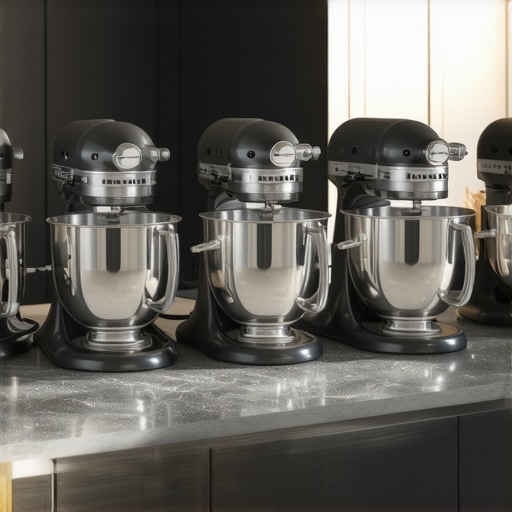
Imagine this: it’s a chilly Sunday morning, and I’m ready to bake a massive loaf of sourdough. I eagerly dump in the ingredients, attach my trusty stand mixer, and press start. Within seconds, my old mixer groans, stalls, and finally sputters out. Frustration washes over me. I realize it’s not just about making bread; it’s about having a reliable partner that can handle the heavy, dense dough I love to bake. That lightbulb moment hit hard: my kitchen deserves a high-torque stand mixer that can handle the weight and stamina of serious baking.
Why Upgrading to a Heavy-Duty Mixer Changes Everything
In 2026, home bakers like us are pushing the limits of what kitchen appliances can do. Heavy doughs, thick batters, and large batches demand more than just a standard mixer. The right equipment transforms a chaotic baking session into a smooth, enjoyable experience. My journey from frustration to confidence started when I decided to invest in a top-quality high-torque stand mixer. And let me tell you, it’s a game-changer. No more overheating motors, no more stalling mid-whisk. Just pure, consistent power that works for me, not against me. If you’ve ever faced the disappointment of a mixer giving out during a crucial bake, you’re not alone. Achieving bakery-quality results at home hinges on reliable equipment that can stand up to the challenge.
Is a Heavy-Duty Stand Mixer Worth the Investment?
Initially, I hesitated. Premium mixers are not cheap, and I wondered if the extra expense was justified. I made a costly mistake early on—buying a cheap, low-HP model that promised much but delivered little. It overheated after just a few minutes of kneading, forcing me to start all over. Since then, I’ve learned that a high-torque, heavy-duty mixer isn’t just a luxury; it’s essential for anyone serious about baking. These mixers aren’t just about handling heavy dough; they also bring long-term savings by lasting far longer than their cheaper counterparts. Curious about what features to look for? Dive into the ultimate guide to premium kitchen appliances for 2024 to get a comprehensive overview of what makes a stellar fit for heavy-duty tasks.
Now that I’ve shared my experience, let’s explore how to choose the best high-torque stand mixer to conquer your baking ambitions in 2026. The good news? With the right info, you’ll be making those heavy, delicious loaves with confidence and ease—no more appliance failures standing in your way.
Assess Your Baking Needs and Match Features
Start by listing your typical baking tasks: heavy bread dough, large batches, or thick mixtures. Then, compare mixers based on their torque ratings, gear mechanisms, and motor wattage. Think of it like choosing a powerful car engine—more torque means better handling for steep inclines. I once set aside my old mixer and tested a high-torque model by kneading a dense sourdough for a full 20 minutes. The result? No overheating, no stalls, and an impeccably developed dough. To ensure your new mixer can handle your workload, check specifications on reputable sites like these guides. Especially focus on whether the motor is direct-drive or belt-driven, since this affects durability during extended use.
Properly Prepare and Load the Mixer
Before starting, ensure ingredients are at room temperature to avoid stressing the motor. Use the correct paddles or dough hooks—think of this like choosing the right tool for the job, similar to selecting a chef’s knife versus a paring knife. When you load the ingredients, distribute them evenly in the bowl, placing heavier components at the bottom. I once overloaded my mixer with a 10-pound bread batch, causing sluggish performance. That experience taught me the importance of smaller, manageable batches, especially during initial tests. Using a sturdy, non-slip mat beneath your mixer prevents slipping and adds stability, which is vital during tough mixing tasks. It’s akin to putting a sturdy foundation under a skyscraper; stability leads to consistent results. Regularly inspect the attachment points and tighten them securely—loose parts can cause uneven mixing or equipment damage.
Optimize Mixing Time and Speed Settings
High-torque mixers excel when used at appropriate speeds: slow and steady for kneading, high for beating or whipping. Always follow recipe guidelines for mixing times; overmixing can overheat your dough or batter. I learned this firsthand when I left a dough on high for too long, causing the gluten to overdevelop and ruin the texture. To prevent this, set a timer and monitor the mixer’s temperature during extended sessions. Some premium models feature built-in thermal protection, much like an overheat sensor in luxury appliances, which automatically shuts off if the motor gets too hot. Use slow speeds for initial mixing, then gradually increase to medium or high as ingredients incorporate. This approach saves your motor from unnecessary strain and keeps your dough consistent, much like a careful driver shifting gears smoothly.When it comes to luxury kitchen tools like premium cookware, espresso machines, or stand mixers, many home chefs operate under misconceptions that can hinder their culinary potential. Let’s dig deeper into some of the most pervasive myths and reveal the nuanced truths behind them. For instance, a widespread belief is that high-end appliances are inherently fragile or overly delicate. However, many premium brands design their products with durability in mind, incorporating materials like stainless steel or copper cores that outperform Teflon in searing and heat retention. Don’t be fooled into thinking that expensive equipment is just for show—it’s engineered for performance and longevity. Another misconception is that more features automatically mean better quality. In reality, the key is understanding which features genuinely enhance your cooking process. For example, a sophisticated espresso machine with precise temperature control offers a noticeable upgrade over basic models, especially if you’re a coffee connoisseur. Make sure your investment aligns with your culinary needs and skill level, as excess features can complicate usability rather than improve it. One common mistake I see is ignoring the significance of maintenance. Regular cleaning and proper care extend the lifespan of your premium equipment. For instance, cleaning the brew group of an espresso machine can prevent buildup that affects flavor and performance. Neglecting this simple step can turn a high-end investment into a costly paperweight. Why do many enthusiasts fall into these traps? It often boils down to misinformation circulating online or a lack of understanding about advanced kitchen technology. There’s also a tendency to focus solely on aesthetics, forgetting that materials like copper or anodized aluminum contribute not just to beauty but to superior cooking and brewing outcomes. As expert chef and kitchen appliance reviewer, Jessica Frey, emphasizes, “Choosing the right premium appliance requires an understanding of its technical features rather than just its looks.” For those keen to elevate their culinary space, exploring our comprehensive guide to luxury kitchen essentials can help you make informed decisions. Remember, the goal of investing in premium tools is to enhance your cooking experience, not complicate it. Have you ever fallen into this trap? Let me know in the comments.
How do I maintain my premium kitchen gadgets over time
Investing in high-end appliances like a top-tier air fryer or a professional-grade espresso machine is just the beginning; proper maintenance ensures they perform at their best for years to come. For starters, I personally rely on a microfiber cloth and a gentle, pH-balanced cleaner for my premium cookware to prevent scratches and preserve their finishes. When it comes to espresso machines, regular descaling is essential—I’ve found that using a descaling solution recommended by the manufacturer every three months keeps my machine brewing pristine espresso. Additionally, applying a specialized lubricant on the moving parts of my stand mixer ensures smooth operation and prolongs its lifespan. These practices aren’t just about cleanliness—they’re about safeguarding your investment and maintaining peak performance.
For air fryers and other small appliances, I recommend periodic thorough cleaning of vents and heating elements to prevent grease buildup, which can impair functionality. Referencing the manufacturer’s guidelines, such as those outlined in the technical documentation of high-end appliances, provides tailored maintenance routines. For example, our detailed guide emphasizes the importance of routine checks and timely replacement of filters or seals to prevent unexpected breakdowns. Keeping a regular maintenance schedule not only extends your appliances’ lifespan but also ensures that every culinary creation reaches its full potential—flavorful, consistent, and impressive.
Upgrading tools can solve long-term challenges
If your kitchen tools are showing their age, consider upgrading to models with newer features that facilitate easier maintenance. For instance, many premium espresso machines now include antimicrobial touch surfaces and automatic cleaning cycles—features that drastically reduce upkeep time and keep your equipment hygienic. Looking ahead, I predict that smart kitchen appliances connected via IoT will further simplify maintenance—sending alerts when filters need replacing or when components are due for cleaning, much like smart home systems.
One strategic tip I’ve adopted is to set quarterly calendar reminders to perform essential cleanings and inspections. This proactive approach prevents small issues from escalating into costly repairs or replacements. For example, regularly inspecting the seals on my luxury cookware lids helps prevent leaks and preserve heat efficiency, which is vital for consistent results. Investing in quality tools with thoughtful maintenance features will pay off in the long run—saving you money and enhancing your culinary experience.
To get started, I encourage you to try implementing scheduled descaling for your espresso machine or deep cleaning your air fryer using manufacturer-recommended solutions. These small, consistent actions ensure your appliances stay in prime condition, maximizing their performance and longevity. For a comprehensive overview, our luxury kitchen guide offers detailed insights into maintaining and caring for all your premium tools effectively.
What I Didn’t Expect About Durability in High-End Kitchen Equipment
One surprising lesson I learned was that premium kitchen tools aren’t just about appearance—they’re built to withstand the tough demands of serious cooking. I once assumed that fancy finishes meant fragility; however, brands like those reviewed in our luxury kitchen essentials guide prove otherwise. Their thoughtful engineering and durable materials, such as stainless steel and reinforced gears, keep my equipment performing beautifully over years of heavy use. This shift in perspective has saved me from frequent replacements and has heightened my confidence in selecting quality gear that truly stands the test of time.
Why Overloading My Mixer Taught Me to Respect Power Limits
Initially, I believed bigger batches meant bigger results, but I quickly learned moderation is key. Overloading my high-torque stand mixer with dense, large batches led to overheating and compromised results. Now, I limit each batch and opt for multiple smaller mixes, which ensures longevity and optimal performance. This experience highlighted the importance of understanding your tools’ capacities and not just pushing them to the max. For those serious about their baking, exploring models with thermal protections—like those detailed in our stand mixer essentials—may save a lot of frustration.
Perfection Comes from Fine-Tuning and Maintenance
My journey underscored that regular, proactive care significantly enhances appliance lifespan. Frequency of descaling espresso machines, gentle cleaning of cookware, and checking seals on appliances like air fryers aren’t just chores—they’re investments in performance. The simple act of establishing a maintenance routine, such as quarterly descaling using recommended solutions, minimizes unexpected failures and keeps my kitchen humming with efficiency. As I’ve found, these small steps preserve the beauty and function of tools that elevate my culinary creations, aligning with insights shared in our detailed maintenance guide.
Balancing Features and Practical Needs in High-End Tools
It’s tempting to be dazzled by high-tech features, but I’ve realized that selecting based on actual needs yields better results. Features like built-in thermal sensors or Wi-Fi connectivity are great, but only if they enhance the specific tasks I perform regularly. A prime example is choosing an espresso machine with precise temperature controls rather than an overcomplicated interface. The goal is a harmonious match between tool capability and culinary ambition, which is why I prioritize quality and purpose. To help navigate this, I recommend reviewing expert insights in our premium appliance overview.
Invaluable Resources for Elevating Your Kitchen Game
Building a dream kitchen isn’t just about products—it’s about knowledge and community. I rely heavily on trusted sources like the luxury kitchen guide for detailed reviews and tips. Instrumental in my journey have been books like “The Art of High-End Cooking” and videos from seasoned chefs demonstrating proper maintenance and usage. These resources help me make informed choices and avoid common pitfalls, especially when investing in machinery like premium espresso machines. The right knowledge transforms good equipment into great results, turning everyday baking into sophisticated art.
Your Turn to Elevate the Culinary Experience
Now that I’ve shared my real-world lessons about the importance of durability, maintenance, and thoughtful selection, I encourage you to assess your own kitchen tools. Whether it’s upgrading to that high-torque stand mixer or learning proper care for your premium espresso machine, each step pushes your culinary boundaries further. Remember, the key to truly elevating your luxury kitchen lies in understanding your equipment’s potential and treating it with care. What’s the one tool you’re most eager to upgrade or learn to maintain better? Share your thoughts below, and let’s inspire each other to cultivate a kitchen that’s both beautiful and built to perform.