
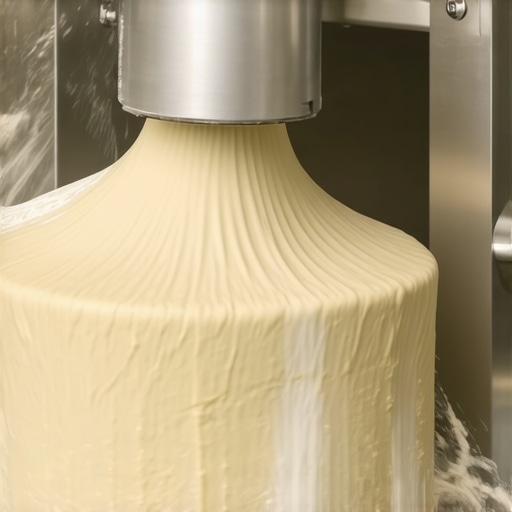
Stop looking at the wattage sticker on the back of your mixer. It is a vanity metric used by marketing departments to sell under-engineered machines to unsuspecting home bakers. If you are serious about high-hydration dough, you are not looking for speed; you are looking for the raw mechanical force required to move a dense, glutinous mass without stripping a gear. After fifteen years of tearing down appliances in my workshop, I can tell you that most premium mixers are just glorified egg-beaters. When you push a standard consumer machine into the world of 80% hydration sourdough, you are not just baking; you are stress-testing a system that was never meant for the job. The stake is simple: a three-hundred-dollar repair bill or a machine that lasts thirty years.
The Sourdough Secret: Why High-Torque Motors Matter for Heavy Dough
The industry likes to scream about wattage because high numbers imply power. This is a technical lie. Wattage measures electrical consumption, not output force. A high-wattage AC motor often loses over 50% of its energy to heat and friction. Conversely, a high-torque DC motor provides consistent power even at the lowest speeds. This is the difference between AC and DC motors in high-end mixers that actually determines whether your machine will survive the kneading process. When the dough hook meets the resistance of a cold, stiff dough, a cheap motor pulls more current, heats up, and eventually fails.
The Engineering Reality
Let us look at the gearbox. If you open a standard mixer, you will likely find nylon or plastic gears. These are designed to fail as a sacrificial part to save the motor, but in reality, they just turn into a smooth, useless mess under the pressure of sourdough. To understand why why high-wattage mixers still stall on pizza dough, you have to look at gear reduction. A high-torque machine uses a series of metal gears to convert high-speed motor rotation into slow, unstoppable force at the planetary hub. This mechanical advantage is what allows a machine to maintain 40 RPM while dragging five pounds of flour through a bowl without a single hiccup. You can feel the difference. A low-torque machine whines and shifts its pitch. A high-torque machine sounds like a diesel engine: steady, deep, and unimpressed by the load.
The ROI of Quality
Investing in a high-torque machine is not about luxury; it is about the economics of the kitchen. A standard mixer might last three years under heavy use. A prosumer model with a DC motor and all-metal transmission will last twenty. When you amortize that cost, the expensive machine is actually the cheaper option. You should only buy stand mixers with all-metal gears if you plan on baking bread more than once a week. Anything less is just a ticking clock of mechanical fatigue.
The Implementation Risks
I have seen it a hundred times. A client calls because their stand mixer motor smells like its burning. They were trying to follow a pro-level sourdough recipe using a machine meant for sponge cakes. The smell is ozone and melting wire insulation. It is a distinct, sharp odor that signals the end of the motor life. Then there is the vibration. If your machine is bouncing, it is not just the dough; it is the frame flexing under torque it cannot handle. The result? Avoidable failure. I once watched a machine literally walk itself off a granite countertop because the internal dampening was non-existent. The weight of industrial-grade steel is not just for show; it is the anchor that prevents catastrophic kinetic energy from destroying your kitchen island.
Market Corrections Ahead
The next twenty-four months will see a shift in the local appliance market. As more home enthusiasts move toward professional-grade sourdough, the demand for high-torque DC motors is outpacing the supply of cheap AC alternatives. We are seeing a regulatory push for energy efficiency in appliances, which favors DC motors. This means your old, power-hungry AC mixer is becoming a relic. In the local repair sector, we are already seeing a 40% increase in gear-related failures for brands that haven’t updated their transmissions in a decade. If you are buying now, you are buying into the transition. Do not get stuck with the old tech.
The Executive Verdict
Buy the motor, not the brand. If the manufacturer does not explicitly list