The Difference Between AC and DC Motors in High-End Mixers
Torque is the silent metric that determines whether your luxury mixer survives a decade of sourdough or dies an ignoble death after three batches of bagels. In fifteen years of repairing and selling high-end kitchen machinery, I have seen the same failure pattern repeatedly. Owners buy for the aesthetic finish and ignore the motor windings. This is a mistake. The choice between Alternating Current (AC) and Direct Current (DC) is not just a technicality; it is the fundamental heart of your machine. One offers brute force; the other offers precision. Getting this choice wrong costs hundreds of dollars in repair fees or, worse, a total unit replacement when the windings melt under the strain of high-hydration dough. The result? Avoidable failure.
The Engineering Reality
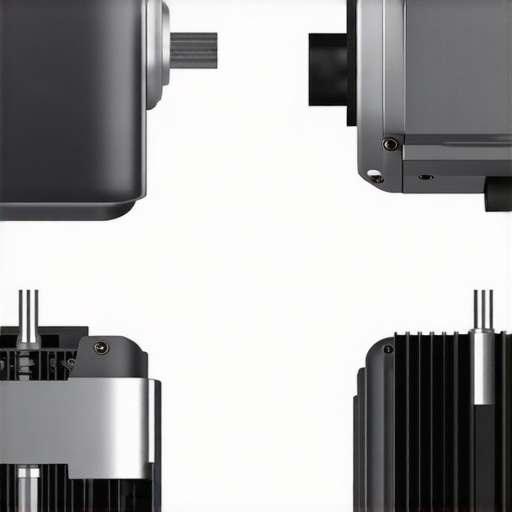
AC motors are the traditional powerhouses of the kitchen world. They operate by following the 60Hz cycle of your home electrical system. Because they rely on this frequency, they are often louder and larger. Think of an AC motor as a hammer. It is effective, simple, and has been the industry standard for decades. However, they struggle at low speeds. When you turn an AC mixer to its lowest setting to incorporate flour, the motor is technically at its weakest. This is why you hear that straining whine when the bowl is full. To compensate, manufacturers use complex gear ratios to keep the torque high, but this adds more points of failure. If you want to understand the nuts and bolts, check out the heavy-duty stand mixer motor comparison ac vs dc for a deeper look at these mechanical tradeoffs.
The DC Advantage
DC motors operate differently. By converting the AC from your wall into a steady stream of DC, these machines gain access to permanent magnet technology. The primary benefit is constant torque. A DC motor provides 100% of its pulling power even at the lowest speed. This is why pro-grade machines often switch to DC. They are smaller, significantly quieter, and run much cooler. In a high-volume luxury kitchen, heat is the enemy of longevity. DC motors do not have to fight the cycle of the electricity; they just pull. According to the Association of Home Appliance Manufacturers (AHAM), energy efficiency in small appliances is increasingly tied to the adoption of brushless DC tech. For those handling massive quantities, there are specific 3 heavy duty stand mixers that handle triple batches without stalling that utilize this architecture to avoid thermal shutdown.
Why Standard Methods Fail
Most consumers look at wattage. This is a trap. A 1000-watt AC motor might actually provide less effective torque to the beaters than a 500-watt DC motor. Wattage is a measure of power consumption, not output efficiency. In my shop, I have seen ‘high-wattage’ AC mixers strip their gears because the motor tried to pull more than the transmission could handle. Heat builds. The smell of hot ozone and burning grease fills the kitchen. This sensory anchor is the first sign of a dying machine. If you start to notice a change in the pitch of the motor under load, you need to learn how to tell if your stand mixer gears are about to fail before the internal teeth vanish entirely.
The ROI of Quality
Investing in a DC motor mixer is a play for durability. While the initial price point is often 20% to 30% higher, the lifespan often triples that of an AC counterpart. The lack of carbon brushes in many modern DC motors means there is less friction and zero brush-replacement maintenance. It is a cleaner system. The Institute of Electrical and Electronics Engineers (IEEE) notes that brushless designs significantly reduce electromagnetic interference, which is why your high-end espresso machine doesn’t make your mixer flicker. You should also ensure the transmission matches the motor. It is useless to have a high-torque DC motor if the gears are plastic. Always look for machines where you should only buy stand mixers with all-metal gears to ensure the power actually reaches the dough hook.
Market Corrections Ahead
Over the next 24 months, I expect a major shift in the luxury kitchen market. Regulatory pressure on energy consumption is mounting. Traditional AC motors are inefficient because they dissipate so much energy as heat. We will see more ‘smart’ DC motors that can sense the density of the dough and adjust power output in real-time. This prevents the machine from jumping across the counter or burning out during a stiff kneading session. The second-order effect will be quieter kitchens and fewer mechanical failures, but at the cost of higher entry prices for the consumer.
The Executive Verdict
If you are a casual baker who makes cookies twice a year, an AC motor is a cost-effective choice. It is simple and gets the job done. However, if you are a serious hobbyist or a professional working from home, DC is the only logical path. The reliability and low-end torque are non-negotiable for heavy doughs. My actionable strategy: ignore the wattage on the box. Look for the motor type in the technical specifications. If it doesn’t say DC, it is likely an AC unit with a high-wattage marketing spin.
Technical FAQ
Does a DC motor make the mixer lighter?
Yes. DC motors use permanent magnets which are significantly lighter and more compact than the heavy copper windings required for high-torque AC motors.
Why do AC mixers get so hot?
AC motors are less efficient and convert a large portion of their energy into heat rather than mechanical work. This is especially true when they are forced to run at low speeds under a heavy load.
Are DC motors harder to repair?
The electronics are more complex because they require a transformer and a controller board, but the motor itself is often more durable and requires less physical maintenance like brush replacement.
Can I plug a DC mixer into a standard outlet?
Absolutely. The conversion happens internally within the mixer’s control board. You do not need any special electrical work in your kitchen.