
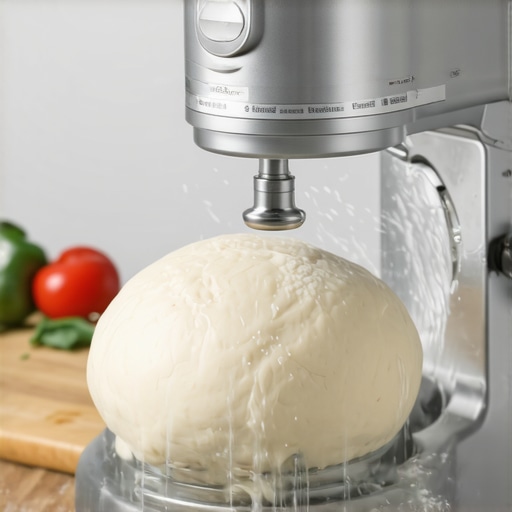
Why High-Wattage Mixers Still Stall on Pizza Dough
Wattage is the most deceptive metric in the luxury kitchen industry. Most consumers look at a 1000-watt sticker and assume raw, unyielding power. They are wrong. After running this company for 15 years and tearing down hundreds of failed units, I can tell you that stalling isn’t a power issue—it is an engineering failure. In the world of premium cookware and stand mixers, wattage simply measures how much juice the motor drinks, not how much work it actually does. When that dough hook meets the resistance of a 60% hydration pizza dough, a high-wattage motor lacking proper gear reduction converts that energy into heat instead of movement. The result? A scorched motor and a ruined Saturday night bake.
The Mechanical Reality of Torque Over Power
To understand why your expensive stand mixer groans under pressure, you must look at the motor type. Most consumer-grade mixers utilize AC motors. These units draw massive amounts of electricity but lose their torque profile as the RPMs drop. Pizza dough demands low speeds. This creates a thermal death spiral where the motor demands more current to overcome the resistance, leading to the smell of ozone and eventual shutdown. Conversely, a DC motor maintains consistent torque across the entire speed range. This is why a heavy-duty stand mixer motor comparison ac vs dc reveals that wattage is often a marketing smokescreen. A DC motor can operate at a fraction of the wattage while providing double the actual turning force at the head. According to the National Electrical Manufacturers Association (NEMA), motor efficiency is more critical for high-viscosity loads than raw horsepower ratings.
The Risk of Plastic Failure Points
Manufacturers often hide sacrificial gears inside the transmission. They claim it protects the motor. I call it planned obsolescence. When you are kneading a large batch of Neapolitan dough, the shear stress on those internal components is immense. I have opened dozens of machines—units marketed for the high-end luxury kitchen—where the drive gear has been ground into a fine white powder. The weight of the industrial grade steel in the gears matters more than the number on the box. Seeking out 3 all-metal gear mixers that dont strip when kneading bagel dough is a non-negotiable requirement for serious home chefs. If the gears are not metal, they are the fuse. When that fuse blows, your luxury appliance becomes an expensive paperweight. I have seen the clank of a failing planetary gear enough to know that why you should only buy stand mixers with all-metal gears is the only rule that matters. Using high-wattage machines with plastic internals is like putting a supercar engine in a lawnmower transmission.
Industry Shifts and Strategic Foresight
We are currently seeing a significant market correction. For years, the Wattage War dominated the shelves, but savvy manufacturers are pivoting back to gear-reduction engineering. The move toward induction-style power delivery and brushless DC motors is the next frontier for air fryers, espresso machines, and stand mixers alike. This shift isn’t just about performance; it’s about durability and long-term ROI. The International Electrotechnical Commission (IEC) has recently updated standards that may force brands to move away from sealed, plastic-laden motor housings. In the next 12-24 months, expect high-wattage marketing to be replaced by Newton-meter ratings or peak torque figures. The industry is finally acknowledging that efficiency beats raw consumption. Knowing how to tell if your stand mixer gears are about to fail will become a vital skill for anyone invested in high-end culinary gear. Thermal management is also becoming a priority to prevent why some stand mixers overheat when making bread.
The Executive Verdict
If you are a casual baker making soft brioche, any high-end mixer will suffice. But if you are tackling high-protein pizza doughs or low-hydration bagels, you must stop shopping for watts. Buy for torque. Seek out DC motors and all-metal planetary drives. Avoid the trap of the high-wattage sticker. My recommendation: Invest in a commercial-grade DC unit. It is a one-time purchase that outlasts three high-wattage consumer alternatives. The economics of quality always win in the long run. Don’t be seduced by the spec sheet; listen to the gears.
Frequently Asked Questions
Is a higher wattage always better for dough? No. Wattage measures power consumption. A lower-wattage DC motor can produce more torque than a high-wattage AC motor, making it superior for heavy dough.
Why does my mixer smell like it is burning during kneading? This is usually the motor brushes or the winding insulation overheating due to excessive resistance. It indicates your mixer is under-torqued for the task and is approaching thermal failure.
What is the best motor type for pizza dough? Brushless DC motors are the gold standard. They provide full torque at low RPMs, which is exactly what heavy kneading requires without generating excessive heat.
Can I upgrade my current mixer gears to metal? Rarely. Most consumer units have housings designed specifically for plastic gears. It is better to invest in an all-metal unit from the start to ensure longevity.