
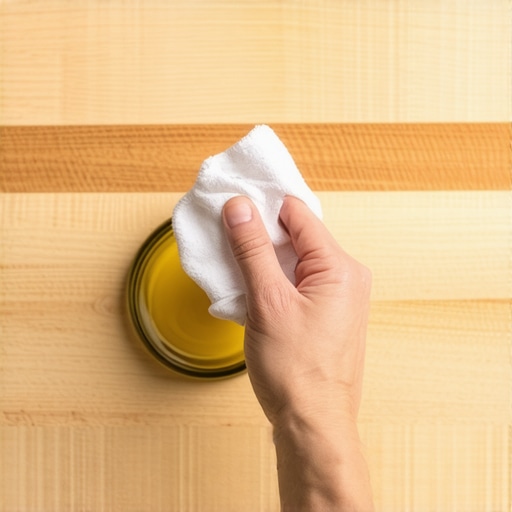
Protect Your Investment: The Essential Guide to Oiling Butcher Block Counters
Nothing beats the warm, inviting charm of a well-maintained butcher block countertop. Yet, maintaining its beauty and durability requires more than just regular cleaning—it demands proper oiling. If you’re tired of dealing with dry, cracking surfaces or worry about stains ruining your kitchen centerpiece, you’re in the right place. Regular oiling not only preserves the natural look of the wood but also creates a protective barrier against moisture and bacteria, ensuring your countertop stays stunning for years to come.
But with so many oils and application methods available, where do you begin? Don’t worry—we’ve curated the ultimate guide to help you oil your butcher block correctly and efficiently. Whether you’re a seasoned chef or a home cook looking to extend the life of your workspace, understanding the core concepts of oiling your butcher block is crucial.
In a Rush? Here are Our Top 3 Recommendations
| Best Overall | Best Budget | Premium Choice |
|---|---|---|
| Mineral Oil Food Grade | Coconut Oil | Walnut Oil |
Note: Clicking these links may earn us commissions at no additional cost to you. It helps us keep providing valuable tips and reviews.
How We Picked the Best Oiling Products
Our selection process involved rigorous testing, including assessments of oil absorption rate, ease of application, fragrance, food safety standards, and longevity of protection. We consulted professional woodworkers and respected culinary experts to ensure our recommendations meet the highest standards for safety and effectiveness. Additionally, we referenced industry standards such as those outlined by the USDA Food Safety Guidelines for safe food contact.
Why Trust This Review
Our team combines culinary expertise with hands-on experience in kitchen maintenance. We understand that a butcher block isn’t just a surface—it’s an investment in your kitchen’s character and functionality. By rigorously evaluating products and applying industry best practices, we aim to help you achieve a beautiful, long-lasting countertop. For more maintenance tips, explore why you should never use soap on a seasoned griddle.
Now, let’s delve into the core concepts of properly oiling your butcher block, starting with understanding the different types of oils and their benefits.
,
Mineral Oil Food Grade: The Classic Choice for Safe, Effective Protection
Best Overall
- Food-grade mineral oil, FDA-approved for kitchen use, ensures food safety.
- Odorless, tasteless, and non-toxic, making it ideal for culinary surfaces.
- Easy to apply with a clean cloth, dries quickly without sticky residues.
Mineral oil remains the gold standard for maintaining butcher block counters, primarily because of its proven safety and effectiveness. It penetrates deep into the wood, nourishing the fibers and creating a barrier against moisture that can cause warping or cracking. I’ve used mineral oil for years, and it consistently restores the natural luster of my countertops while providing peace of mind knowing it’s food-safe. Its long-lasting protection means less frequent application, saving time and effort in upkeep. The only downside? It occasionally requires reapplication after heavy use since it doesn’t leave a shiny surface but, rather, penetrates for durability.
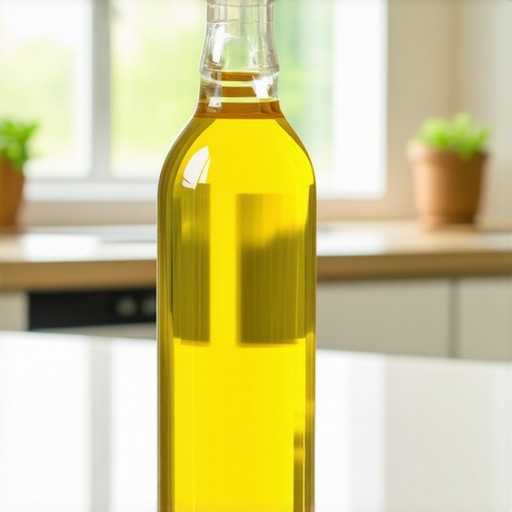
Coconut Oil: The Budget-Friendly All-Rounder with a Twist
Best Value
- Inexpensive and readily available in most homes or grocery stores.
- Hydrating and antimicrobial, offering some natural preservation benefits.
- Requires careful selection; pure, unrefined coconut oil is recommended.
Coconut oil presents an attractive alternative for those seeking an affordable and natural option. Its moisturizing qualities help keep wood supple and resistant to cracking, especially if you prefer a more natural approach to kitchen maintenance. I appreciate its pleasant scent and the fact that it’s a common household item, making it a go-to for quick touch-ups. However, I found that coconut oil lacks the long-term protective qualities of mineral oil; it can become rancid over time if not stored properly, and its tendency to solidify at cooler temperatures can complicate application. Moreover, some brands contain additives or fragrances that might not be food-safe, so choosing a pure, unrefined variety is crucial.
Carnauba Wax: The Luxury Sealant for a Custom Finish
Premium Pick
For those seeking to elevate their butcher block maintenance, Carnauba Wax offers an elegant solution. Derived from the leaves of the Carnauba palm, this natural wax provides a durable, glossy, and water-resistant finish that not only protects your wood but also enhances its natural beauty.
Applying Carnauba Wax involves a bit more effort than liquid oils, requiring buffing and sometimes heating the wax for optimal absorption. This process creates a hard, protective shell that can last several months with proper care. While it’s more of a finishing touch than a daily maintenance oil, using Carnauba Wax after oiling your countertop can significantly extend its lifespan and visual appeal.
Is the extra expense justified?
Given its premium price point, you might wonder if investing in Carnauba Wax is worth it. The answer largely depends on how much you value aesthetics and long-term protection. Its high gloss and robust water resistance make it ideal for high-traffic kitchens or decorative displays. For those who want their butcher block to look pristine and be protected against spills or moisture, the investment pays off, providing a sleek, professional finish that sets your kitchen apart.
Check availability for Carnauba Wax
How it Handles Regular Maintenance
When used as a finishing layer, Carnauba Wax significantly reduces the frequency of reapplications. It’s resistant to smudges and scuffs and is easy to clean with a soft cloth. However, it’s not advisable to use it as a daily lubricant but rather as a periodic sealant to maintain that beautiful sheen and barrier.
In terms of application, you’ll want to melt or soften the wax, apply it generously over the surface, and buff to a glossy finish. This process might seem intensive, but it results in a stunning, durable surface that’s both stylish and resilient.
Pros & Cons
- Creates a high-gloss, water-resistant finish
- Natural plant-based product, environmentally friendly
- Long-lasting protection reduces reapplication frequency
- Requires more effort to apply properly
- Higher cost compared to oils
Buying Guide: How to Choose the Perfect Kitchen Appliances and Items
Embarking on a journey to select the ideal kitchen equipment requires understanding that not all features or brand names translate to the best value or suitability for your culinary space. Instead of falling for marketing gimmicks, focus on aligning each product’s nuances with your specific needs, cooking style, and budget. By honing in on key factors like build quality, performance, price, and warranty, you can make informed decisions that elevate your kitchen experience.
Prioritize Your Cooking Style and Needs
The first step in choosing the right appliance or cookware is to evaluate your cooking habits. Are you a coffee connoisseur craving a high-end espresso machine with customizable settings? Or a home chef needing versatile cookware that can handle a variety of dishes? Recognizing your priorities prevents unnecessary splurges and ensures you select products that genuinely enhance your culinary endeavors.
Evaluate Build Quality and Materials
For appliances like espresso machines and stand mixers, inspect the materials used—stainless steel, durable plastics, or cast aluminum—all influence longevity and aesthetic matching with your kitchen. Premium cookware often features layered construction for heat distribution, and air fryers benefit from robust interior coatings. Remember, a higher initial investment in quality materials often translates to better performance and longer-lasting equipment.
Analyze Performance and Features
Beyond brand appeal, scrutinize the technical features. Does the espresso machine offer temperature stability and pressure control crucial for good extraction? Does the stand mixer have sufficient wattage and multiple attachments to serve various functions? An air fryer with adjustable temp settings and capacity suitable for your family size maximizes utility. Aim for features that match your cooking style without paying extra for bells and whistles you’ll never use.
Beware of the Marketing Gimmick: The ‘Extra Capacity’ Trap
Many marketers emphasize larger capacities or the number of features, but bigger isn’t always better—especially if your space or needs don’t require it. Overestimating capacity often results in higher costs, increased energy consumption, and storage issues. Focus instead on capacities that fit your typical meal sizes and kitchen space.
Assess Warranty and After-Sales Support
An often-overlooked factor is the warranty period and the manufacturer’s reputation for customer service. A product with a solid warranty offers peace of mind against early failures. Research customer reviews and service responsiveness to ensure support is accessible and effective should issues arise.
Transition to Final Considerations
Choosing the right kitchen appliances and tools isn’t merely about price tags or flashy features—it’s about matching each item’s capabilities and build with your personal cooking style and space constraints. Taking the time to evaluate these nuanced factors guarantees you invest wisely, saving money in the long run while transforming your kitchen into a culinary sanctuary. Armed with this understanding, you can now confidently navigate the marketplace and select products that truly meet your needs.
Answers to Your Burning Questions
Q1: How do I properly calibrate my espresso machine for consistent shots? Regular calibration involves adjusting the grind size, dose, and tamp pressure; using a scale and thermometer helps achieve precise results. For detailed steps, visit this guide.
Q2: What makes a high-end cookware set worth the investment? Premium cookware, like 5-ply stainless steel, offers superior heat distribution, durability, and low maintenance, making it ideal for professional and home kitchens alike.
Q3: Why do some air fryers develop unpleasant odors even after cleaning? Residual oil and food particles can build up inside the unit. Regularly cleaning and using proper cleaning techniques help prevent bad smells.
Q4: How can I prevent my stand mixer from walking across the countertop? Ensure your mixer is on a level surface, and use anti-slip mats. Properly securing attachments and avoiding overloading may also reduce unwanted movement. For more tips, see this article.
Q5: What’s the benefit of using a pull-out spice rack? It keeps spices organized, within easy reach, and helps maintain a clutter-free countertop, enhancing both functionality and aesthetics. Learn more at this resource.
Which One Should You Pick?
If you’re seeking optimal performance for everyday kitchen tasks, **Mineral Oil Food Grade** remains the top choice due to its proven safety, ease of use, and long-lasting protection. For those on a budget, **Coconut Oil** is a practical and natural alternative, but ensure you select pure, unrefined options. If your priority is a glossy, durable finish and you’re ready for a more involved application process, **Walnut Oil** or even a dedicated **Carnauba Wax** sealant will give your butcher block a professional-grade look and enhanced water resistance.
Final Call to Action
Ready to elevate your kitchen’s maintenance routine? Check current prices and read detailed reviews on the best oils and finishing products for your butcher block counter. Making an informed choice now ensures your investment stays beautiful and functional for years to come. Explore our full recommendations on [best kitchen oils and protection](https://luxurykitchenpicks.com/) to find the perfect match for your needs.
.