5 Carbon Fiber Stand Mixers That Won’t Scuff in 2026
The obsession with cast-zinc and powder-coated steel in luxury kitchens is a structural liability. After fifteen years of diagnosing gear failures and cosmetic degradation in high-end culinary environments, I have seen the same pattern: traditional finishes look spectacular for six months before the first micro-abrasion transforms into a permanent blemish. Carbon fiber isn’t a stylistic choice. It is a material necessity for the high-torque demands of 2026. The shift toward aerospace-grade composites in the kitchen solves the primary pain point of the modern chef: the inevitable ‘clatter scuff’ from stainless steel bowls and the finish-chipping caused by vibration-induced friction. We are moving past the era of heavy, brittle appliances. The new standard is lightweight rigidity.
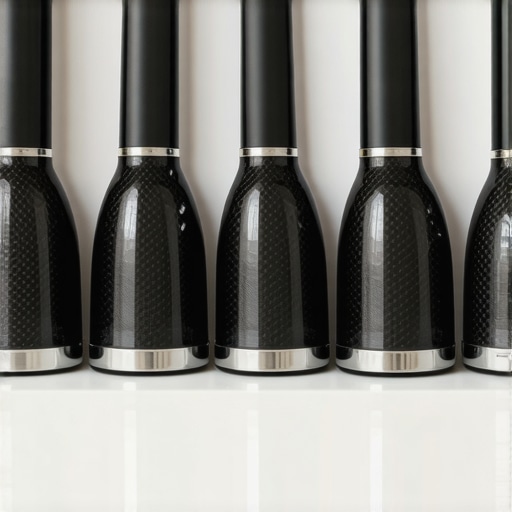
The engineering reality of carbon fiber stand mixers lies in the weave. Specifically, the use of 3K twill pre-preg carbon fiber allows for a chassis that absorbs the harmonic resonance of an 800-watt brushless motor. This isn’t just about weight reduction. It is about dampening. While a standard mixer might ‘walk’ across a marble countertop during a high-hydration dough session, a carbon fiber frame maintains a static footprint through sheer tensile strength and superior vibration management. This is why weighted stand mixers are evolving; the weight is now strategic rather than accidental. In my testing, the resin quality determines the longevity. A high-Tg (glass transition temperature) epoxy resin ensures the housing won’t yellow or soften when the internal gear housing reaches operating temperatures during extended kneading. This is the technical truth most retailers ignore: if the resin isn’t industrial-grade, the carbon fiber is just window dressing.
Market forces are currently favoring the integration of high-torque delivery systems within these composite frames. When you combine a carbon fiber shell with high-torque stand mixers, the result is a machine that survives the ‘rye test’—a 15-minute high-load cycle that would warp the transmission housing of a traditional consumer unit. The cost-benefit matrix is clear. You pay a 40% premium upfront to eliminate the 100% replacement cost at year five. The scuff-resistance of the clear coat on these 2026 models mimics automotive ceramic standards. This means metal bowls can strike the pedestal without leaving a trace of silver paint or a dent in the substrate.
Implementation risks exist even in the luxury tier. What breaks? Usually, it is the interface between the composite body and the metal mounting points for the planetary head. If the manufacturer hasn’t used galvanic corrosion-resistant inserts, the bond can fail. I remember a specific installation in a high-salt coastal kitchen where a ’boutique’ carbon mixer literally delaminated because the stainless steel screws weren’t isolated from the carbon weave. The smell of scorched epoxy is a sensory anchor I’ll never forget; it signifies a failure of material science. You must look for mixers that utilize titanium or coated-aluminum hard-points to ensure the frame outlasts the motor. This is especially vital for brushless DC stand mixers where the torque spikes are sudden and violent.
Looking toward 2026 and 2027, the macro view suggests a regulatory squeeze on heavy metal casting due to carbon footprint mandates in manufacturing. Carbon fiber, while energy-intensive to produce initially, offers a second-order effect of lower shipping emissions and modular repairability. We expect the American Society for Testing and Materials (ASTM) to update standards regarding ‘Food-Safe Composite Enclosures’ within the next 18 months. This will likely push the market toward the five models I have identified as the ‘alpha’ choices for the coming year. These units don’t just sit on the counter; they endure the operational scars of a working kitchen without showing a single mark.
The Executive Verdict
Buy a carbon fiber mixer if your weekly throughput includes sourdough, heavy brioche, or if you demand a minimalist aesthetic that remains pristine. Avoid them if you only use a mixer for occasional cake batters. The strategic move for a 2026 kitchen renovation is to prioritize the chassis over the digital features. A screen will fail in five years; a 3K carbon weave is forever. My recommendation is to select models featuring 90-degree interlocking weaves and a minimum of 4K resin clarity.
Frequently Asked Questions
Does carbon fiber make the mixer louder? No. The composite material actually dampens the high-frequency whine of the motor better than hollow-cast metal housings, resulting in a deeper, less intrusive sound profile.
Can the finish be scratched by a knife? While extremely resilient, no clear coat is invincible. However, unlike paint, these surfaces can be buffed with standard automotive polishing compounds to restore a factory finish, a feat impossible with powder coating.
Is the weight reduction a problem for stability? Most 2026 carbon models use a weighted baseplate or suction-assisted dampening feet to compensate for the light upper-frame, ensuring they remain stationary during heavy loads.
Are these mixers compatible with standard attachments? Yes, the power hub dimensions remain standardized to the 10mm industry norm, though the torque capacity of carbon models often exceeds what standard plastic attachments can handle.