
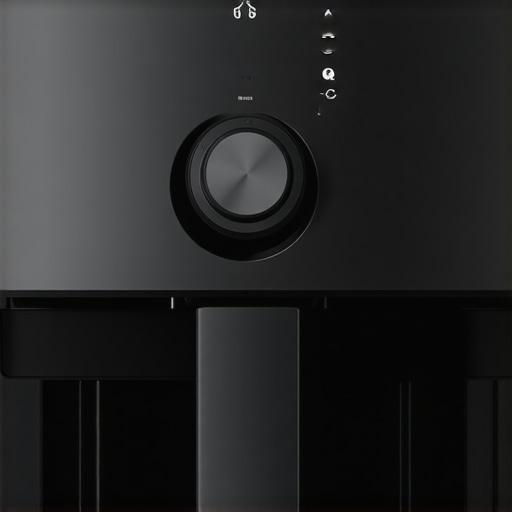
A high-decibel air fryer is rarely a sign of power; it is usually a symptom of mechanical fatigue. Most consumers assume a louder fan is simply the result of a hard-working appliance. In my 15 years of managing high-end kitchen installations and technical repairs, I have seen that noise is the primary indicator of imminent thermal failure. When the decibel levels spike, you are likely witnessing the slow death of a hydrodynamic bearing or the physical warping of the fan blades due to sustained heat exposure. Ignoring this leads to more than just an annoyance; it leads to a total motor seizure.
Why Your Air Fryer Fan Noose Is Getting Louder Over Time
The core of the problem lies in the engineering of the fan assembly itself. Most premium air fryers utilize a high-RPM centrifugal fan to move air through the heating element and across the food. Over months of use, the microscopic clearance between the fan hub and the bearing housing begins to widen. This is often exacerbated by grease ingress. Aerosolized fats from your cooking bypass the primary filters and settle on the fan blades. The result? An unbalanced load that forces the motor to vibrate against its mounts. You can learn more about why most high-end air fryers are noisy and how physical vibrations affect performance.
The Physics of Bearing Degradation
Bearings are the silent heroes of the luxury kitchen. In air fryers, these components are subjected to extreme temperature cycling. As the unit heats to 400 degrees Fahrenheit and then rapidly cools, the metal components expand and contract at different rates. This thermal bridging causes the lubricants inside the bearing to break down or migrate. Once the lubrication fails, metal-on-metal contact creates that distinct high-pitched whine or grinding sound. This is a technical truth: once a bearing begins to audibly scream, the damage is irreversible. Cleaning the exterior will do nothing for the internal friction occurring at 3,000 RPM.
Grease Accumulation and Blade Imbalance
Think of your fan blades like a propeller on an aircraft. Even a milligram of uneven weight distribution causes a wobble. In the kitchen, this weight comes from carbonized food particles and grease. This buildup acts as a secondary heating element, often leading to situations where you need to know how to stop your air fryer from setting off the smoke alarm. As the fan spins, the centrifugal force isn’t enough to shed this sticky residue. The motor must then work harder to maintain speed, increasing the electrical hum and the mechanical vibration felt through the countertop. The weight of the industrial-grade steel used in some premium models helps, but eventually, even the best metal succumbs to imbalance.
Structural Warping of the Housing
Heat is the enemy of structural integrity. While the internal chassis is designed for high temperatures, the plastic or thin-gauge metal surrounding the fan can warp over hundreds of cycles. When the housing shifts even a fraction of a millimeter, the airflow pattern changes. This creates turbulence. Turbulence is loud. It sounds like a rushing wind or a flapping noise. If the warping is severe enough, the fan blade may actually strike the shroud. This creates a rhythmic clacking sound that signals a catastrophic failure point. It is similar to the mechanical stress seen when the air fryer basket coating peels due to heat and friction.
Strategic Foresight: The Future of Kitchen Acoustics
We are seeing a shift in the industry toward brushless DC motors in the high-end segment. These motors offer far better speed control and significantly lower noise floors because they eliminate the physical brushes that wear down over time. Over the next 24 months, I expect regulatory changes regarding appliance noise pollution to drive manufacturers toward more robust, dampened motor mounts. If you are buying a unit today, you are essentially betting on the quality of the fan’s isolation from the chassis. The market is moving away from disposable tech toward repairable, modular fan assemblies that allow for professional lubrication and cleaning.
The Executive Verdict
If your air fryer sounds like a jet engine, do not wait for it to stop spinning. My recommendation is a two-step diagnostic. First, verify the unit is on a perfectly level surface; a slight tilt can exacerbate bearing wear. Second, check for internal obstructions. If the noise persists, the motor is likely failing. In a luxury kitchen environment, the ROI on repairing a mid-range unit is low, but for premium, integrated models, a fan replacement is a necessary maintenance cost to protect the surrounding cabinetry from vibration damage. If you want better performance without the noise, consider the foil trick for better air fryer heat distribution which can sometimes allow you to run the fan at lower speeds if your model supports it.
Common Questions Regarding Air Fryer Noise
Is a loud fan a fire hazard? It can be. If the noise is caused by a seizing motor, the electrical resistance increases, which generates excess heat in the wiring. Always unplug a unit that makes a grinding sound.
Can I oil the fan myself? Usually, no. Most modern air fryers use sealed bearings that cannot be serviced without breaking the vacuum seal of the motor housing.
Does preheating make the noise worse? Yes. Preheating stresses the components before they have a chance to stabilize. However, it is necessary for food quality. A well-engineered fan should handle preheating without a significant increase in decibels.