
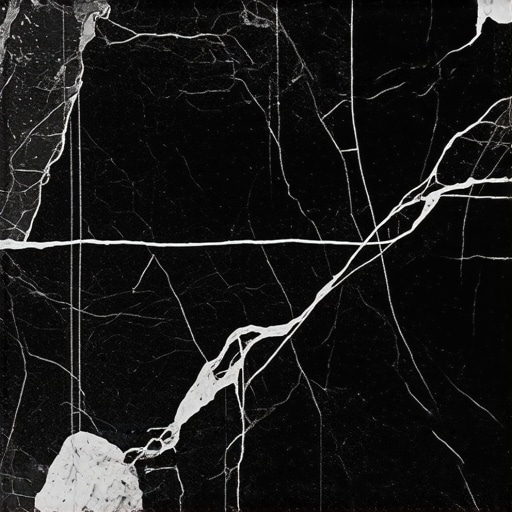
Why Every Designer is Choosing Honed Granite Over Polished Marble
For twenty-five years, I have watched homeowners walk into showrooms, eyes locked on the luminous glow of polished Carrara marble. They imagine a life of European elegance. I see the reality. I see the inevitable etch marks from a single spilled lemon or the ring stains from an espresso machine leaking descaling solution. The trend has shifted. Designers are no longer prioritizing the fleeting shimmer of soft stone. They are moving toward the resilience of honed granite. This is not merely an aesthetic pivot. It is a fundamental rejection of high-maintenance liabilities in the luxury kitchen.
The Engineering Reality
Marble is a calcitic stone. It is soft. It is porous. When acid hits its surface, it does not just sit there; it eats the calcium carbonate. This creates dull spots known as etching. Granite? It is siliceous. Composed primarily of quartz and feldspar, it laughs at vinegar. The choice to go honed—a matte, non-reflective finish—removes the mirror-like surface that makes every fingerprint and scratch visible. When you use the countertop material that actually survives a hot cast iron pan, you are investing in a silicate structure that handles thermal shock better than its metamorphic counterparts. The weight of industrial-grade steel and the vibration of high-torque motors in stand mixers require a surface that won’t crack under localized pressure. Marble fails here. Granite thrives.
Market Corrections and Practical Failure
The local market has seen a surge in ‘botched’ renovations where quartzite is often mislabeled as marble, leading to disastrous maintenance expectations. I’ve been called to homes where a $50,000 slab of polished marble looks like a scarred battlefield after six months of family dinners. The smell of fresh adhesive during a replacement is a scent I know too well. It is avoidable. Honed granite provides a tactile, organic feel that complements premium cookware and the sleek lines of air fryers without the constant anxiety of a ‘no-coasters’ rule. In fact, why we swapped our polished marble for honed granite countertops is a conversation I have daily with clients who value their sanity over a temporary shine.
The ROI of Durability
Designers are looking at the 12-to-24-month horizon. Property values are tied to longevity. A kitchen that requires professional refinishing every two years is a drain on resources. We are seeing a move toward ‘livable luxury.’ This means surfaces that can handle the heat of a premium cookware set fresh off the induction hob. The industry is gravitating toward darker, matte-finished granites like Absolute Black or Virginia Mist. These stones, when honed, look like soapstone but carry the hardness of a diamond. The result? Permanent utility. No more worrying about the luxury kitchen losing its resale value because of a wine stain at a holiday party.
Strategic Foresight
The next two years will see a tightening of environmental regulations regarding the chemicals used in high-gloss stone sealants. Honed finishes require less aggressive chemical maintenance. They are the sustainable choice. We are also seeing a shift in how air fryers and other high-heat appliances are integrated into sculleries; these require the thermal mass that only a dense granite can provide. If you are building for the next decade, ignore the showroom glare. Choose the stone that works as hard as your stand mixers. The executive verdict is clear: buy granite, specify a honed finish, and walk away from the marble trap.
Frequently Asked Questions
Is honed granite more porous than polished?
Technically, the honing process opens the pores slightly more than polishing. However, with a high-quality impregnating sealer, the difference in stain resistance is negligible for most residential use.
Does honed granite hide scratches better?
Yes. Because there is no reflective gloss, light does not catch on the edges of small surface scratches, making them nearly invisible compared to polished slabs.
Can I use any cleaner on honed granite?
No. Stick to pH-neutral cleaners. While granite is tough, harsh chemicals can eventually break down the sealer, leading to moisture penetration over time.