
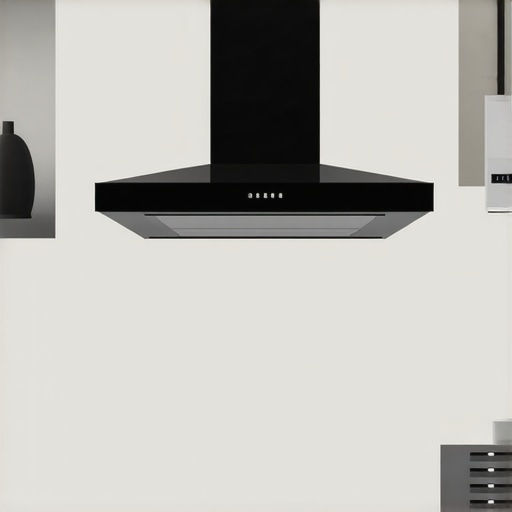
Why 2026 Designers are Hiding Range Hoods in Ceiling Joists
The obsession with visual silence has reached its logical, if dangerous, conclusion. In the luxury kitchen sector, 2026 is defined by the absolute disappearance of the appliance. We are moving beyond panel-ready fridges into the territory of architectural integration where the heavy machinery of a home becomes structural. The range hood, long the clunky stainless steel center of the kitchen, is the latest casualty. Designers are now carving out space within the floor joists of the level above to tuck away extraction systems. This isn’t just about clean lines. It is about a fundamental shift in how we perceive domestic labor and utility. After fifteen years of diagnosing mechanical failures in high-end builds, I can tell you that this trend is as much an engineering puzzle as it is an aesthetic triumph. Get the math wrong, and you aren’t just looking at a pretty ceiling; you are looking at a fire hazard wrapped in expensive drywall.
The Physics of Vertical Extraction
Physics does not care about your minimalist mood board. When you move an extraction point from thirty inches above a cooking surface to eight or nine feet, the capture envelope changes entirely. Standard calculations for CFM (Cubic Feet per Minute) become obsolete. To pull grease-laden steam across that distance, you need high-velocity airflow that a standard off-the-shelf unit simply cannot provide. We are seeing a surge in integrated kitchen concealment strategies where the motor is remote-mounted. By placing the blower in the attic or on an exterior wall, you eliminate the noise but increase the static pressure requirements. The ducting must be rigid, oversized, and perfectly sealed. Any turbulence in those joist-runs results in grease condensation inside the ceiling. That is where the operational risk lies. You cannot clean a duct that is buried behind three layers of plaster and a structural beam.
The Cost of Architectural Silence
Budgeting for a recessed ceiling hood requires a radical departure from standard renovation math. You aren’t just buying a motor and a filter. You are paying for structural modifications. Joists often need to be sistered or boxed out to accommodate the 10-inch diameter ductwork required for high-volume air exchange. We often see clients pairing these invisible systems with hidden induction technology to create a surface that looks like a slab of stone but performs like a professional line. The trade-off is clear: you gain a gallery-like environment, but you lose the efficiency of low-profile capture. In a Technical Purist’s view, you are fighting a losing battle against rising heat plumes that want to dissipate the moment they leave the pan. To compensate, the system must move massive amounts of air, which necessitates a sophisticated makeup air unit (MAU) to prevent back-drafting your fireplace or water heater.
The Reality of Maintenance and Failure
The smell of burnt garlic and oxidized oil is the first sign of a system that has failed its owner. I have walked into multi-million dollar penthouses where the ceiling was literally weeping oil because the designer prioritized the sightline over the static pressure. When a hood is flush-mounted, the capture area is smaller than the cooktop’s output. If the homeowner is searing steaks on high-performance cookware, the steam bypasses the suction and hits the ceiling. Over time, this creates a film that ruins high-end finishes. We are also seeing a rise in vanishing appliance garages to hide the peripheral mess, but if the extraction fails, that hidden mess just absorbs the odors. The weight of industrial-grade steel blowers also requires vibration dampening. Without it, your entire second floor will hum every time someone boils water.
Regulatory Shifts and Building Standards
Local building codes are finally catching up to these design trends. According to ASHRAE Standard 62.2, residential ventilation must meet specific air-exchange rates that many decorative ceiling hoods struggle to hit. We are also seeing stricter enforcement of NFPA 96-adjacent standards in high-end residential builds, specifically regarding the proximity of combustible materials to grease-handling equipment. If your joists are wood, you need specific fire-rated insulation between the duct and the structure. This is the technical truth that glossy magazines ignore. As we continue transitioning to high-efficiency induction, the heat load decreases, but the moisture and grease load remains constant. The air must be treated with the same precision as the architecture.
Strategic Foresight for the Next 24 Months
The market is shifting toward ‘Smart Sensing’ extraction. Expect to see ceiling-mounted units with IR sensors that detect the heat signature of the stove and adjust the CFM in real-time. This reduces the strain on the HVAC system and manages indoor air quality more effectively. For those interested in managing indoor air quality, the integration of HEPA and charcoal filtration within the ceiling plenum will become standard for urban high-rises where venting to the outside is impossible. We are looking at a future where the kitchen doesn’t look like a kitchen, but functions like a laboratory.
The Executive Verdict
If you are building for 2026, the recessed ceiling hood is the ultimate status symbol, but it is an engineering-first decision. Do not let an interior designer specify the unit without a mechanical engineer reviewing the duct-run. Buy a system with at least 1200 CFM and a remote blower. Ensure your ducting is 10-gauge rigid steel with zero sharp bends. If you can’t satisfy the makeup air requirements, stick to a high-performance wall-mounted unit. A beautiful kitchen that smells like last week’s fish is a failed investment. Choose technical integrity over visual silence every time.
Frequently Asked Questions
How high can a ceiling hood be and still work?
Most manufacturers claim 8 feet, but for real-world performance with high-BTU cooking, anything over 7 feet requires a massive increase in CFM and a wider capture area to account for air currents in the room.
Are ceiling-recessed hoods louder than standard ones?
If the motor is inside the unit, yes, because the ceiling joists act as a resonator. If you use a remote-mounted blower, they are significantly quieter than any wall-mounted unit.
Do I need a special permit for joist-integrated hoods?
Generally, if you are cutting or modifying structural joists, you will need a structural engineer’s stamp and a building permit. Standard ducting through existing holes rarely needs a special permit beyond standard mechanical inspections.