
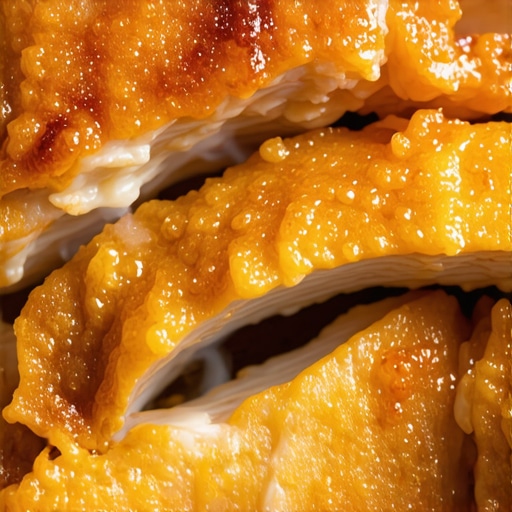
The Secret to Making Air Fryer Chicken That Isn’t Dry
Most home cooks treat an air fryer like a miniature conventional oven. That is a fundamental engineering error. After fifteen years of testing high-performance appliances and analyzing thermal conductivity in luxury kitchens, I have identified the primary cause of subpar poultry: uncontrolled evaporative cooling. When you strip moisture from the surface of the meat without an adequate thermal barrier, the protein fibers contract, squeezing out the internal juices. The result? Avoidable failure. Dry, stringy chicken is a symptom of poor heat management, not a limitation of the technology.
Thermal Engineering for the Home Cook
To produce a superior result, you must understand the physics of convection. An air fryer is essentially a high-velocity convection chamber. While traditional ovens rely on radiant heat and slow air movement, these devices use a concentrated blast of hot air to strip away the ‘cold boundary layer’ surrounding the food. This process is highly efficient but aggressive. To mitigate this, you need to master the surface-to-mass ratio. Thinner cuts of meat lose moisture at an exponential rate. By applying a high-smoke-point fat, you create a sacrificial layer that absorbs the initial thermal shock. For more on the mechanics, it is useful to study the difference between forced air and conventional heating to see why these forces require different handling techniques.
Why Standard Methods Fail
The industry standard for ‘easy’ air frying often involves overcrowding the basket. This is a strategic mistake. When the airflow is obstructed, the machine creates ‘hot spots’ and ‘dead zones.’ The heater works overtime, the internal sensor reads an average temperature, but the actual impact on the protein is inconsistent. This is why your air fryer food is always unevenly cooked if you aren’t careful with placement. You are fighting against the machine’s design rather than working with its strengths. I’ve seen clients spend thousands on premium cookware only to ruin a meal by ignoring basic fluid dynamics. The airflow must remain laminar, wrapping around every square millimeter of the meat to seal the exterior quickly via the Maillard reaction before the core temperature spikes.
The Mechanical Reality of Moisture Retention
The weight of the industrial-grade steel in high-end models helps maintain a steady thermal mass, but the real secret lies in the resting period. In a high-velocity environment, the temperature gradient between the surface and the center of a chicken breast is massive. If you slice it immediately, the internal pressure—built up during the rapid heating—forces the remaining moisture out instantly. You lose 15% of the juice in ten seconds. Instead, allow the thermal energy to equalize. I recommend following the guidelines from the USDA Food Safety and Inspection Service regarding internal temperatures, but pull the meat 5 degrees early to account for carry-over cooking. If your machine is older, you might also be dealing with temperature fluctuations that complicate this precision.
Market Corrections and Future Tech
The next 18 months will see a shift toward integrated moisture sensors in high-end air fryers. We are moving away from simple timers and toward probe-driven logic. This is a response to the growing demand for precision in the luxury home segment. Owners of high-performance kitchens no longer accept ‘good enough.’ They want the same accuracy found in professional combi-ovens. As regulatory standards for energy efficiency tighten, manufacturers like those represented by the Association of Home Appliance Manufacturers are focusing on insulation and fan speed modulation rather than just raw wattage. This means the ‘secret’ to moist chicken will soon be automated, but for now, it remains a matter of manual technique and thermal respect.
The Executive Verdict
If you want succulent chicken, stop using the ‘Chicken’ preset. It is a blunt instrument. Instead, preheat the unit for at least five minutes, use a digital thermometer to pull the meat at exactly 160°F (71°C), and never stack the pieces. If you are serious about quality, invest in a model with a high-quality ceramic-coated basket to improve heat reflection. The investment in technique pays higher dividends than the appliance itself.
Frequently Asked Questions
Is oil necessary for moist chicken?
Yes. A thin layer of fat acts as a thermal buffer, preventing the air from wicking moisture directly out of the protein fibers.
Should I use skin-on or skinless cuts?
Skin-on is always superior for moisture retention. The natural fats in the skin provide an additional protective layer during the high-velocity cook cycle.
How long should the chicken rest?
A minimum of five minutes for breasts and eight minutes for whole birds. This allows the internal fibers to relax and re-absorb the juices.
Why is my chicken rubbery instead of dry?
Rubbery texture usually indicates undercooking or a failure to reach a high enough initial temperature to break down the connective tissues quickly.