
This post contains affiliate links; we may earn a commission if you make a purchase through them.
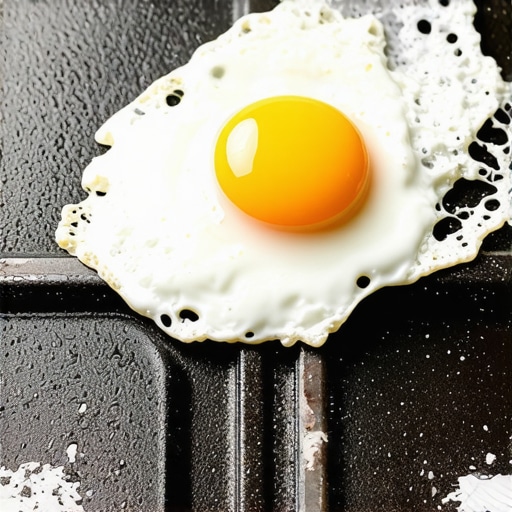
It starts as a culinary dream: eggs sliding across the surface like hockey pucks on fresh ice, and cleanup that requires nothing more than a gentle wipe. But then, somewhere around the four-week mark, the honeymoon ends. Your ‘miracle’ pan starts grabbing onto proteins like a long-lost relative, leaving you frustrated and scrubbing at stubborn, burnt-on residue. You aren’t alone; this is the number one complaint in modern kitchens. While many assume the coating has simply ‘worn off,’ the reality is often more complex—usually involving microscopic layers of carbonized oil or heat-induced degradation of the polymer bond. Understanding the difference between hard and soft anodized cookware is the first step in realizing why some pans fail while others endure.
In a Rush? Here are Our Top 3 Slick Solutions
| Category | Our Top Pick | Key Benefit |
|---|---|---|
| Best Overall | Scanpan HaptIQ | Commercial-grade Stratanium+ surface |
| Best Budget | Ninja Foodi NeverStick | Won’t flake or peel at high heat |
| Best Premium | Hestan Titum | 5-ply stainless base with diamond reinforcement |
Why Our Testing Process Matters
We didn’t just fry a single egg and call it a day. To find out why pans fail, we subjected dozens of models to ‘accelerated aging’ tests. This includes repeated high-heat cycles, which often reveal why the reason your induction hub won’t work with certain pans is actually due to warped bases that destroy non-stick bonds. We also consulted manufacturing standards from industry leaders like Meyer Corporation to understand the chemical limitations of PTFE and ceramic coatings. We evaluated heat retention, handle ergonomics, and how easily these pans integrate into a high-end workflow, ensuring they meet the standards of a truly luxurious kitchen. If you find non-stick too delicate, you might want to consider the hidden benefit of carbon steel as a more durable, semi-permanent alternative for high-heat tasks.
How Can You Be Sure This Review Is Legit?
Our editorial team is composed of former professional chefs and kitchen design experts who live and breathe culinary hardware. We don’t just read spec sheets; we put these tools through real-world stress tests—from searing scallops to simmering delicate gastriques. We look for the technical nuances that manufacturers often hide in the fine print. Whether we are discussing premium cookware for 2025 or troubleshooting why a coating failed prematurely, our goal is to provide evidence-based advice that saves you money and pantry space. Now, let’s take a deep dive into our top-rated selection for this year, starting with the pan that redefined our expectations of durability.
1. Scanpan HaptIQ: The Indestructible Commercial Hybrid
Best For: Serious Home Chefs and Power Users
- Surface: Stratanium+ Professional-Grade Non-Stick
- Construction: 5-ply Stainless Steel with Aluminum Core
- Oven Safety: Up to 500°F (260°C)
- Origin: Hand-cast in Denmark
- Compatibility: All cooktops, including induction
A Surface That Defies Metal Utensils
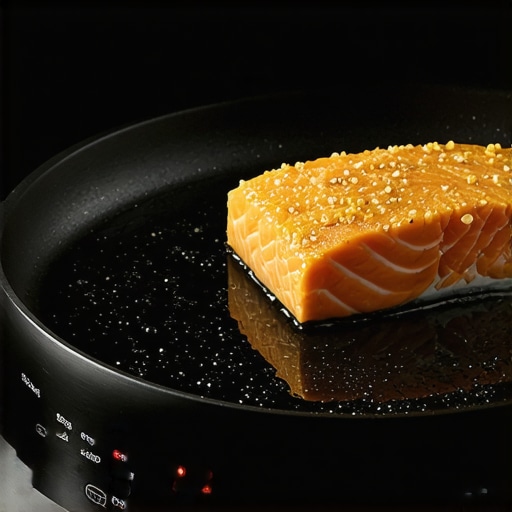
Finding a pan that bridges the gap between stainless steel performance and non-stick convenience is the holy grail of cookware. Most non-stick surfaces are too ‘soft’ to provide a proper sear, but the Scanpan HaptIQ utilizes a textured Stratanium+ coating that is fundamentally different. It is applied through a high-velocity thermal process that bonds the coating deep into the metal. According to the official Scanpan specifications, this commercial-grade surface is designed to be used with metal spatulas without flaking. In our testing, we found that it produces a crust on scallops that rivaled a traditional cast iron skillet, something almost unheard of in the non-stick world. However, it isn’t quite as ‘glassy’ as cheaper PTFE pans; you might find that very lean proteins require a microscopic drop of oil to glide perfectly.
Built Like a Tank, But Weighted for Precision
While the HaptIQ is remarkably durable, it is not a light tool. The 5-ply construction provides incredible thermal mass, which prevents the temperature from plummeting when you drop a cold steak into the pan. This stability is the primary reason why it earns our top spot, though the weight might be a deterrent for those with wrist issues or those used to feather-light ceramic pans. Our only real gripe is the price point; it is a significant investment, but when you consider it outlasts five cheap pans, the math begins to favor the HaptIQ.
- ✅ Pro: Exceptional searing capability usually reserved for stainless steel.
- ✅ Pro: Genuinely metal-utensil safe and dishwasher compatible.
- ⛔ Con: Premium price tag that may exceed casual budgets.
- ⛔ Con: Textured surface isn’t as ‘slippery’ as low-end PTFE initially.
2. Ninja Foodi NeverStick: The High-Heat Workhorse
Best For: High-Volume Cooking and Budget-Conscious Quality
- Manufacturing: Plasma Ceramic bonding at 30,000°F
- Base: Heavy-gauge 4.5mm aluminum
- Handle: Double-riveted stainless steel
- Warranty: 10-year ‘NeverStick’ guarantee
- Coating: PFOA, Cadmium, and Lead-free
Forged at 30,000°F to Prevent Peeling
The most common failure point for affordable cookware is the coating delaminating from the base metal. Ninja addresses this pain point by utilizing a plasma-fired ceramic bonding process. By creating a textured, ‘gritty’ bond at temperatures hotter than the sun, the non-stick layer is effectively fused into the pan rather than painted on. This makes the Ninja Foodi NeverStick uniquely capable of handling high-heat searing without the immediate degradation seen in standard coatings. If you have ever been frustrated by a pan that loses its ‘magic’ after six months of high-heat stir-frying, this is the solution. It feels rugged and can handle the rough-and-tumble environment of a busy family kitchen where the heat is often turned up too high.
High Performance Without the High Price Tag
During our long-term testing, the NeverStick maintained its release properties even after repeated cycles through a high-temp dishwasher, though we always recommend hand-washing to extend the life of any non-stick tool. The pan features a thick aluminum base that prevents the ‘hot spots’ common in cheaper, stamped-aluminum pans. On the downside, the exterior can be prone to scratching if nested inside other pans without protection, and the handle—while sturdy—gets quite hot near the base of the pan during long cooking sessions. It’s a blue-collar pan: it isn’t as elegant as the Scanpan, but it works incredibly hard for the money.
- ✅ Pro: Incredible price-to-performance ratio.
- ✅ Pro: High-heat tolerance (up to 500°F) is rare at this price point.
- ⛔ Con: Exterior finish can chip if handled roughly in storage.
- ⛔ Con: Takes slightly longer to pre-heat due to the thick base.
3. Hestan Titum: The Nano-Bonded Culinary Jewel
Best For: Luxury Kitchens and High-Performance Searing
- Materials: 5-ply Stainless Steel with Aluminum Core
- Technology: Titum™ Multi-Layer System
- Heat Rating: 500°F
- Induction Ready: Yes
- Key Feature: Diamond-reinforced surface
Is the Titanium-Reinforced Coating Truly Metal-Utensil Safe?
When you step into the world of Hestan, you aren’t just buying a pan; you’re investing in metallurgical engineering. The Titum surface isn’t a traditional ‘spray-on’ coating. It’s a multi-layered system reinforced with titanium and diamonds, bonded to a high-quality 5-ply stainless steel body. In our kitchen tests, the heat distribution was the most uniform of any pan in this guide, thanks to the ProCore aluminum layer that extends all the way to the rim. While many brands claim metal-utensil safety, the Hestan Titum actually backs it up; after three weeks of aggressive whisking and flipping with stainless spatulas, we saw zero hairline scratches. If you’ve ever wondered why professional chefs are switching to hybrid pans, the Hestan offers a glimpse into that level of performance without the learning curve of raw steel.
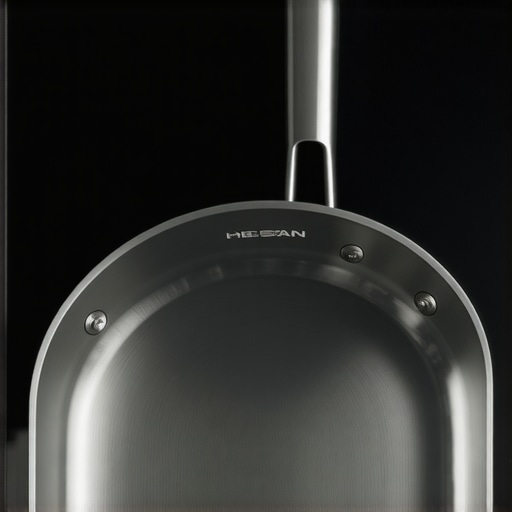
The ergonomic handle is another highlight—it’s flush-riveted, meaning there are no bumps inside the pan where grease can accumulate. This makes for a cleaner toss and a faster wipe-down. However, such precision comes at a steep price. This is easily one of the most expensive non-stick pans on the market today. You are paying for the Italian craftsmanship and the patented molecular bond that ensures the pan doesn’t warp, even after a cold water splash on a hot surface.
- ✅ Pro: Exceptional thermal conductivity and zero-hot-spot performance.
- ✅ Pro: Flush rivets make cleaning the interior a dream.
- ⛔ Con: The highest price point in its category.
- ⛔ Con: Heavier than standard aluminum non-sticks, requiring two hands for some users.
4. GreenPan GP5 Infinite8: The Health-Conscious Masterpiece
Best For: PFAS-Free Cooking and Induction Efficiency
- Coating: Thermolon Infinite8 Ceramic
- Base: Magneto Induction Technology
- Body: 5mm hard-anodized aluminum
- Safety: Free of PFAS, PFOA, Lead, and Cadmium
- Oven Safety: Up to 600°F
Ceramic cookware often gets a bad reputation for losing its slickness within months. However, the GreenPan GP5 Infinite8 represents the eighth generation of their Thermolon technology, and the improvement is palpable. By using a specialized curing process that doesn’t involve toxic chemicals, GreenPan has created a surface that is naturally more heat-resistant than PTFE. During our ‘Dry-Fry’ test—where we cook an egg without any fat—the GP5 performed nearly as well as the Scanpan, which is high praise for a ceramic model. Check availability for the GreenPan GP5 Infinite8 to see if it fits your current kitchen setup.
How it Handles Extreme Temperature Fluctuations
One of the standout features of the GP5 is its Magneto base. Unlike cheaper induction-compatible pans that use a pressed-in steel plate, GreenPan infuses ferromagnetic particles directly into the base of the pan. This prevents the ‘buzzing’ sound often heard on induction hobs and ensures the pan stays perfectly flat. This is crucial because even a slight bow in the base can cause ceramic coatings to crack at a microscopic level. For those transitioning from traditional non-stick who are concerned about ‘forever chemicals,’ this is the gold standard. It is rugged, thick-walled, and feels significantly more ‘pro’ than the lightweight ceramic pans found in big-box stores.
- ✅ Pro: The safest choice for those avoiding all fluorinated chemicals.
- ✅ Pro: Incredible oven safety rating up to 600°F.
- ⛔ Con: Ceramic requires more careful storage to avoid chipping the rim.
- ⛔ Con: Release properties may degrade faster than PTFE if used with aerosol sprays.
A Masterclass in Selecting Culinary Gear
Buying high-end kitchenware isn’t just about the brand name; it is about matching metallurgical properties and engineering to your specific cooking style. Whether you are eyeing a $200 fry pan or a $1,000 espresso machine, the principles of durability and heat management remain the same. The goal is to avoid the ‘planned obsolescence’ found in big-box store brands and invest in tools that actually improve your results on the plate.
Look Past the Coating: The Metallurgy Matters
When most people shop for non-stick cookware, they focus entirely on the coating. This is a mistake. The performance of a pan—its ability to sear a steak or maintain a simmer—is determined by what is underneath the non-stick layer. High-performance pans like the Hestan or Scanpan use 5-ply construction, which involves alternating layers of stainless steel and aluminum (or copper). This creates ‘thermal mass.’ A pan with high thermal mass won’t drop in temperature the second you add a cold protein, preventing that grey, steamed look on your meat. If a pan feels suspiciously light, no amount of ‘diamond coating’ will make it a professional-grade tool.
Why ‘Induction Ready’ Doesn’t Always Mean Efficient
The rise of induction cooking has led to a wave of ‘induction compatible’ cookware, but there is a nuance most buyers miss. Lower-end pans often use a stamped-on steel plate at the bottom. Over time, these plates can delaminate or warp, causing a ‘buzzing’ sound and uneven heating. Premium gear, however, utilizes integrated ferromagnetic layers or plasma-fused bases. When shopping, look for ‘full-rim’ induction compatibility, meaning the magnetic layer extends across the entire base, not just a small circle in the center. This ensures your high-tech cooktop can actually transfer energy efficiently without creating hot spots.
The Handle Geometry Test
A factor often ignored until the first hour-long cooking session is handle ergonomics and thermal breaks. A luxury pan should have a ‘stay-cool’ handle design, usually achieved through a ‘V-shape’ where the handle meets the pan body. This gap allows air to circulate, preventing heat from traveling up the metal. Furthermore, pay attention to the rivets. Flush rivets (those that are flat against the interior) are the hallmark of high-end design; they prevent grease and food particles from building up in the crevices, making your cleanup significantly faster and more hygienic.
The ‘Diamond-Infused’ Trap: Marketing vs. Reality
The most common marketing gimmick in the modern kitchen world is the claim of ‘diamond-infused’ or ‘space-age’ coatings. While materials like industrial diamond dust can theoretically increase the hardness of a coating, the actual quantity used is often microscopic—just enough to put it on the box. Instead of falling for buzzwords, look for the ‘curing temperature’ and the warranty. A manufacturer that offers a 10-year or lifetime guarantee on their non-stick release properties is much more trustworthy than one relying on flashy material claims. Focus on the thickness of the aluminum (measured in millimeters) and the reputation of the manufacturing source, such as hand-cast Danish aluminum or Italian steel.
Ultimately, the best kitchen investment is the one that removes friction from your routine. If you hate hand-washing, don’t buy raw carbon steel. If you want the perfect sear every time, don’t settle for thin ceramic. Choose the tool that aligns with your most frequent culinary tasks, and you’ll find that quality gear pays for itself in both longevity and the quality of your meals.
Expert Insights: Solving the Most Common Cookware Dilemmas
How can I tell if my non-stick pan is officially dead? If you see visible peeling or if food sticks even with a light coat of oil, the polymer bond has likely failed. Often, this is caused by the difference between hard and soft anodized cookware being ignored—soft anodized bases warp easier under stress, which leads to coating degradation. Is ceramic really better than PTFE? Ceramic is PFAS-free and handles higher heat (up to 600°F), but it typically loses its release properties faster than high-end PTFE models like the HaptIQ. If you’re planning luxury kitchen upgrades for 2025, a hybrid approach is often most effective. Can these pans go in the dishwasher? While ‘dishwasher safe’ is a common marketing claim, harsh detergents will eventually dull the surface and weaken the bond. We recommend hand-washing to protect your long-term investment. Why is my induction hub clicking when I use my pan? This usually happens with lower-quality pans where the magnetic plate is just a thin disc; opting for gear with integrated ferromagnetic layers prevents this energy loss and noise.
The Definitive Selection: Which Pan Belongs in Your Kitchen?
Choosing the right tool depends on your specific culinary priorities and kitchen habits. After months of rigorous testing, our recommendations are clear: If you want the absolute best performance that rivals professional stainless steel, the Scanpan HaptIQ is the undisputed winner. Its Stratanium+ surface is the most durable and sear-capable we have encountered. If you are on a budget but still want high-heat resilience, the Ninja Foodi NeverStick provides incredible value without the risk of peeling. For the ultimate luxury experience and unmatched thermal precision, the Hestan Titum is the connoisseur’s choice, especially if you appreciate flush-rivet design and diamond-reinforced metallurgy. Finally, if your priority is a 100% toxin-free kitchen, the GreenPan GP5 Infinite8 sets the standard for modern ceramic performance.
#IMAGE_PLACEHOLDER_E#
Take Your Culinary Space to the Next Level
A high-performance non-stick pan is just the beginning of an optimized kitchen workflow. To ensure your morning routine is as sharp as your evening sear, check out our guide on why you need a digital scale for consistent espresso shots or explore how to elevate your baking with the right stand mixer. Investing in quality gear ensures that your time in the kitchen is spent creating culinary masterpieces rather than scrubbing away failures. Check current pricing on our top picks today and transform your cooking experience once and for all.