
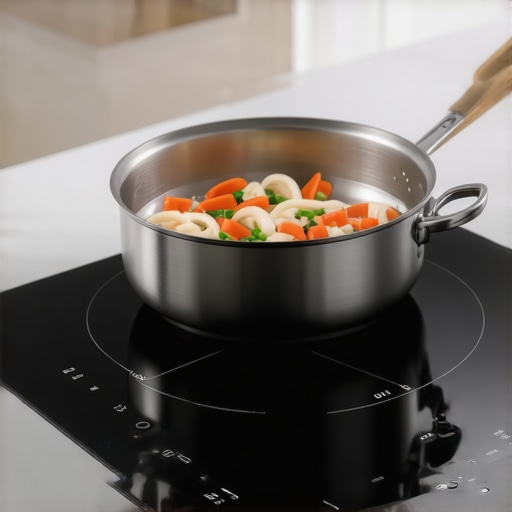
Heat is not a substance you pour into a pan; it is a state of molecular agitation. In the world of high-end culinary architecture, the traditional gas flame is an inefficient relic of 19th-century combustion. While chefs once clung to the visual feedback of a blue flame, the technical reality of 2025 demands more. Precision. Responsiveness. Efficiency. After fifteen years of tearing down and rebuilding luxury kitchens, I have seen every trend cycle through. Induction is different. It is a fundamental shift in the physics of the kitchen. If you are investing six figures into a renovation and still planning for gas, you are building a museum, not a workspace. The stake? Wasted energy and, more importantly, the inability to hold a delicate emulsion or a temperamental chocolate at a specific, unwavering degree.
The Benefits of Induction Cooking for Ultra-Precise Temp Control
Induction works via electromagnetic copper coils. These coils create an oscillating magnetic field that induces an eddy current directly within the ferrous base of your cookware. The pan becomes the heating element. There is no middleman. No ambient heat loss into the room. This direct energy transfer allows for thermal adjustments that occur in milliseconds. When you dial back the power, the agitation of the molecules in the steel stops instantly. The result? Total thermal sovereignty. Unlike gas, which must heat the air and the grate before reaching the food, induction skips the transit. High-end units utilize sophisticated inverters to provide a continuous flow of energy rather than the cheap ‘on-off’ cycling found in entry-level models. This distinction is where the true precision lies.
The Engineering Reality of Power Delivery
Not all induction is created equal. The ‘operational scar’ most homeowners carry comes from buying a mid-grade unit that pulses. You hear the click-click-click. That is pulse-width modulation at low power levels. It ruins delicate sauces. A true luxury induction system uses high-frequency inverters to maintain a steady, low-wattage stream. This allows you to melt chocolate directly in a pan without a bain-marie. It is about the duty cycle of the machine. When you pair this with high-quality premium cookware, the thermal mass of the pan works in tandem with the electromagnetic field. The temperature floor is much lower than gas. You can hold a pan at 110 degrees Fahrenheit indefinitely. No flame can do that without eventually overshooting the mark due to the heat retained in the cast iron grates.
We must discuss the magnetic interface. If the pan bottom is thin or slightly warped, the coupling efficiency drops. This leads to the ‘humming’ or ‘whining’ noise often complained about in showrooms. It is rarely the cooktop’s fault. It is a vibration caused by high-frequency energy trying to move through a low-density material. This is why thin-bottomed discount pans are a liability. They cannot handle the rapid oscillation of the magnetic field without physical stress.
Thermal Efficiency and Economic Logic
The thermal efficiency of induction sits at approximately 90%. Gas struggles to hit 40%. The rest of that energy is simply heating your face and your cabinetry. This second-order effect matters for the longevity of your luxury kitchen components. High ambient heat from a 60,000 BTU range will eventually degrade the finish on adjacent custom cabinetry and stress the seals on nearby espresso machines. By moving to induction, you reduce the load on your HVAC system. It is a strategic move for the entire home’s climate control. The glass-ceramic surface also acts as a thermal insulator; it does not get hot itself, only the pan does. This makes cleaning a matter of a simple wipe, as spilled proteins do not carbonize onto the surface. No more scrubbing grates with caustic chemicals.
Implementation Risks and the Reality of Failure
Nothing is perfect. The glass surface is the Achilles’ heel. I’ve seen $5,000 cooktops shattered because a heavy cast iron skillet was dropped from a height of just three inches. The sound of that crack is a visceral reminder of the fragility of high-tech surfaces. There is also the issue of the ‘coil click.’ If your home’s electrical service is not perfectly conditioned, you may experience interference with other high-end electronics. Furthermore, the electronic control boards are sensitive to heat. Ironically, if the internal cooling fan of the induction unit is blocked by poor cabinetry design, the brain of the machine will fry itself. Most installers fail to provide the required three-inch clearance for airflow beneath the unit. It is a common, expensive oversight. You also need to understand that expensive copper pans fail on induction unless they have a specialized stainless steel base plate. The magnetic field needs something to grab onto.
Market Corrections and Future Integration
The industry is moving toward full digital integration. Within the next 24 months, expect to see more cooktops that communicate directly with wireless probes inside your food. We are talking about reaching a specific internal temperature for a steak and having the cooktop automatically drop to a holding temp the moment it’s reached. This is the ‘smart kitchen’ done correctly, not the gimmick of a tablet on a fridge. Regulatory shifts in several jurisdictions are already leaning toward the electrification of kitchens, making induction a hedge against future building code changes. It preserves the resale value of the property by ensuring the technology is not obsolete by the time the paint is dry.
The Executive Verdict
If your priority is absolute control and a clean aesthetic, induction is the only logical choice. Buy a unit with a high-frequency inverter to avoid the pulsing issues of cheap models. Ensure your cabinetry allows for maximum airflow to protect the internal circuitry. Pair the unit with heavy, multi-clad stainless steel or cast iron. Avoid thin-set cookware at all costs. The investment in the electrical infrastructure—typically a 40 to 50-amp dedicated circuit—is a small price for the precision gained. The decision is simple: stay with the flame and accept the entropy, or move to induction and master the physics of the sear.
Frequently Asked Questions
Does induction cooking require special wiring? Yes, most full-size luxury induction cooktops require a dedicated 240v circuit, often 40 or 50 amps. You cannot simply plug these into a standard outlet. Always check your local electrical code for load requirements.
Why does my induction cooktop make a buzzing sound? This is usually ‘coil whine’ or the physical vibration of the cookware. It is most common with lower-quality pans or when using the ‘boost’ setting. Switching to heavier, high-quality pans often eliminates the noise.
Can I use cast iron on induction? Absolutely. Cast iron is highly ferrous and works beautifully. However, be careful not to slide it across the surface, as it can scratch the glass-ceramic top. Some users use a thin silicone mat between the pan and the glass to prevent this.
What happens if I use a non-magnetic pan? The cooktop simply won’t turn on. Most units will flash an error code or a ‘no pan’ symbol. The electromagnetic circuit remains open and no heat is generated.