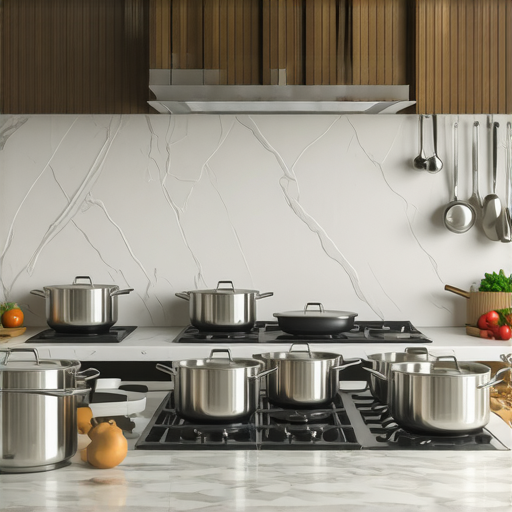
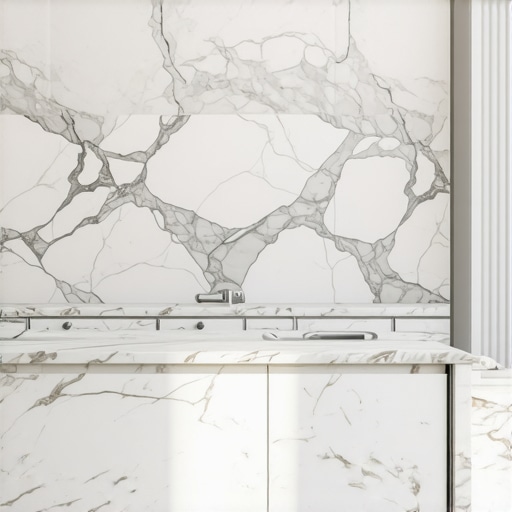
Dark marble is a depreciating asset disguised as a high-end finish. After twenty-five years of ripping out ruined slabs, I can tell you why this trend is dying. It isn’t just aesthetic shift. It’s chemistry. It’s physics. It’s the way a twenty-thousand-dollar piece of stone reacts when you actually use it to cook. People buy the look; they inherit a full-time job. Getting this wrong doesn’t just hurt your eyes—it guts your property value and daily sanity. The problem? Most designers prioritize the showroom walk-through over the Tuesday night dinner. The reality of a working kitchen is messy, acidic, and hot.
Kitchen Reno Mistakes: Why Dark Marble is Out for 2026 Designs
The core issue lies in the Mohs scale of mineral hardness. Most dark marbles, such as Nero Marquina or Petit Granit, hover around a 3 on this scale. They are soft. If you slide premium cookware like titanium or heavy cast iron across these surfaces, you are literally carving scratches into the stone. Unlike lighter stones where these marks might blend into the veining, dark marble showcases every single imperfection like a neon sign. According to reports from the Natural Stone Institute, marble is a metamorphic rock composed of recrystallized carbonate minerals, making it inherently reactive to the environment. When you spill lemon juice, wine, or even mild soap, a chemical reaction occurs. This is etching. On a white Carrera slab, an etch mark is a ghost. On a deep black or forest green slab, it is a glaring white scar that requires professional resurfacing to fix.
The Thermal Stress of Modern High-End Appliances
We are seeing a massive shift in how homeowners integrate tech. Many clients are now hiding all major appliances to create a minimalist aesthetic, but this places more pressure on the countertop material to perform. High-heat tools like silent air fryers or heavy-duty stand mixers generate significant thermal and vibrational energy. Darker stones absorb and retain heat differently than lighter, denser materials. This thermal bridging can lead to micro-fissures over time, especially near the seams or the cutouts for direct plumbed espresso machines. If your stone cannot handle the 200-degree heat of a professional brew head or the vibration of a commercial-grade motor, it has no business being in a luxury build.
The Maintenance Reality and Operational Risks
I have stood in kitchens where the homeowner is afraid to use their fifty-thousand-dollar stove because they don’t want to stain the marble. That is a failure of design. Dark marble is essentially a sponge for oils. Even with high-grade impregnating sealers, the calcium carbonate structure remains vulnerable. The National Kitchen & Bath Association (NKBA) 2026 trend forecasts indicate that homeowners are moving toward ‘resilient luxury’—materials that look expensive but require zero babysitting. Think about the sensory reality: the smell of fresh lemon hitting the stone followed by the immediate panic as you search for a cloth. That isn’t luxury. That is stress. The visual weight of dark stone also tends to shrink a room, a mistake in the upcoming era of airy, light-filled open plans.
Strategic Foresight: Where the Market is Heading
The next 12 to 24 months will see a correction toward high-density quartzite and sintered stone. These materials offer the deep, moody tones of dark marble without the structural weaknesses. We are seeing a move toward precision tools, such as espresso machines with flow control, which require stable, non-porous environments. Dark marble is becoming a ‘tell’ for an amateur renovation—a sign that the owner chose style over substance. If you are planning a high-end build, my executive verdict is to avoid dark marble for primary work surfaces. Use it for a fireplace surround or a secondary bar area, but keep it away from the heat and acid of the main prep zone. If you want a dark look, go with a honed granite or a high-performance porcelain that can take the punch of a busy family kitchen.
Executive Recommendations
If you are currently in the design phase, hold your order on the marble. Switch to a material with a Mohs rating of at least 7. Ensure your stone provider can guarantee heat resistance up to 400 degrees Fahrenheit if you plan on using high-performance air fryers or induction hobs. The 2026 kitchen is about stealth, speed, and durability. Dark marble fails on all three counts. It’s a legacy material that belongs in a museum, not in a modern home where actual cooking happens.
Frequently Asked Questions
Q: Can’t I just seal the marble every six months?
A: Sealing prevents deep stains from pigments, but it does absolutely nothing to prevent etching. Etching is a physical change in the stone’s surface caused by acid. No sealer on the market stops a lemon from eating through calcium carbonate.
Q: Is dark granite a better alternative?
A: Generally, yes. Honed black granite is significantly denser and less reactive than marble, though it still requires basic care to avoid oil spots.
Q: What is the highest ROI material for 2026?
A: Natural quartzite. It has the beauty of marble with the hardness of granite. It is the gold standard for luxury resale value right now.