
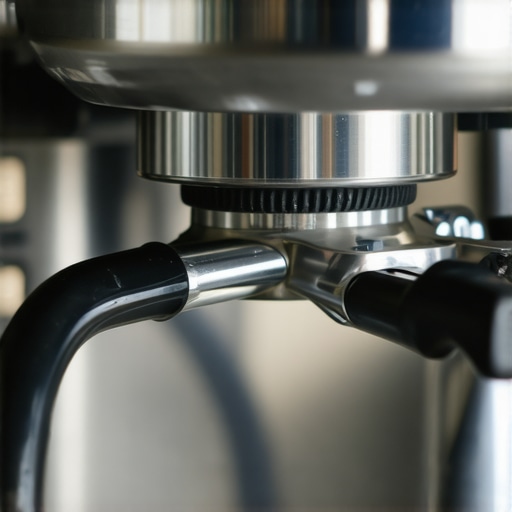
How to Tell if Your Espresso Machine Group Gasket is Leaking
Ignoring a weeping group head is a path to mechanical ruin. In my fifteen years of restoring high-end espresso machines, I have witnessed multi-thousand dollar machines degraded by the failure of a ten-dollar elastomer. The gasket is not a permanent component. It is a consumable. If you find yourself cranking the portafilter handle further than a 6 o’clock position just to stop a drip, the seal has already failed. Thermal fatigue is the primary culprit. Constant exposure to 200-degree Fahrenheit water causes the rubber to undergo vulcanization, turning a once-supple ring into a brittle, plastic-like obstruction. The result? Loss of pressure, uneven extraction, and potential water damage to the internal electronics of your luxury kitchen setup.
The Mechanics of Seal Failure
Pressure is the variable that defines espresso. When your pump ramps up to 9 bars—roughly 130 PSI—any weakness in the group collar becomes an exit point. You might notice water trickling down the side of the portafilter. This is often the first sign. It is not just about the mess. A bypass leak during the brew cycle means your shot is losing the necessary hydrostatic pressure required for proper emulsification of coffee oils. This often leads to situations where your espresso shots are channeling no matter the grind because the water follows the path of least resistance through the gasket rather than the puck. Also, the chemical degradation of the gasket can impart a bitter, burnt rubber taste to your coffee long before the leak becomes visible.
The Sensory Markers of a Dying Gasket
Listen for the hiss. A healthy machine operates with a specific acoustic profile. If you hear a sharp, high-pitched whistling during extraction, steam is escaping the group head. This signifies an atmospheric breach. Use your eyes. After you remove the portafilter, look at the dispersion screen. If you find that your espresso puck sticks to the group head every time, it may be because the gasket has compressed so much that the portafilter is sitting too high, forcing the puck against the screen. The smell is another indicator. Old, baked-on coffee oils trapped behind a hardened gasket create a rancid odor that cleaning cycles cannot reach. You need a physical replacement, not more detergent.
Cost-Benefit Narrative Matrix
The economics of maintenance are simple. A standard EPDM rubber gasket costs less than a bag of premium beans. The cost of neglect? A blown heating element or a short-circuited control board. When water leaks from the group, it rarely just falls into the drip tray. It migrates. It follows the frame. It finds the wiring. I have seen prosumer machines with rusted frames because the owner ignored a minor drip for six months. Comparing the $15 part to a $400 bench fee at a repair shop makes the decision clear. Transitioning to food-grade silicone is the smart move. Silicone does not harden like rubber, maintaining its shore hardness for years instead of months. According to the Specialty Coffee Association (SCA), thermal stability is the bedrock of quality extraction; a failing gasket is the enemy of that stability.
The Stress Test and Operational Risks
Replacing a gasket that has been in place for three years is a nightmare. It does not come out in one piece. It shatters. You end up using a dental pick and a wood screw to extract shards of black plastic from a brass groove. The risk here is scratching the group head surface. One deep scratch on that mating surface and your new gasket will never seal. I remember a client who tried to use a flathead screwdriver as a pry bar. The result? A $300 replacement group head. If you are also dealing with other maintenance issues, such as fixing a leaking steam wand on your prosumer coffee machine, do them all at once. Opening the machine once is better than disturbing the seals three times.
Strategic Foresight for the Home Barista
The industry is moving toward higher pressure and higher heat. Modern prosumer machines are pushing the limits of home plumbing. In the next 12 to 24 months, we expect to see more manufacturers adopting fluorocarbon elastomers which offer even higher heat resistance than silicone. Regulatory changes regarding lead-free brass in group heads are also changing how gaskets seat. If you own a luxury kitchen machine, stay ahead of the curve. Use a 8.5mm gasket instead of an 8mm if your portafilter engagement is getting loose. Precision matters.
The Executive Verdict
Replace your rubber group gasket every six months, period. If you use silicone, you can stretch that to twelve. Do not wait for the leak. If your portafilter handle is moving past the 6 o’clock position to achieve a seal, the gasket is dead. Buy a three-pack today. Keep them in a cool, dark place. The peace of mind and the quality of your morning extraction are worth the minimal effort. If you are in a situation where the leak is hitting the drip tray, stop using the machine until the part arrives. The risk to the internal electronics is too high. ISO 22000 standards remind us that food safety starts with clean, functioning equipment. Don’t let a tiny ring of rubber ruin your investment.
FAQ
Q: Why is my new gasket leaking even though I just replaced it?
A: You likely have coffee grounds trapped in the group head groove or you installed the gasket upside down. Most gaskets have a beveled side that must face up toward the machine.
Q: Can I use a generic gasket from a hardware store?
A: No. Espresso machines require food-grade, high-temperature materials with specific shore hardness to withstand 9 bars of pressure. Generic rubber will leach chemicals and fail instantly.
Q: My portafilter won’t lock in at all now, what happened?
A: You likely purchased a gasket that is too thick (e.g., 9mm instead of 8mm). Even a 0.5mm difference can prevent the portafilter ears from engaging the group collar.