
How to Remove Scale Build-up from Your Smart Coffee Machine Internals
Your high-end espresso machine is a networked thermal hydraulic system, not a simple countertop appliance. When you invest in luxury kitchen hardware, you are buying precision engineering. Scale is the silent disruptor of that precision. Calcium and magnesium ions bond to copper heat exchangers like industrial cement. These mineral layers act as thermal insulators. The sensor thinks the water is at the target temperature, but the physical reality inside the boiler is far colder. This lag destroys the flavor profile of your beans. After a decade in the industry, I have seen more $3,000 machines bricked by simple lime deposits than by electrical failure. The stake is clear: maintain the internals or prepare for a full manifold replacement. Modern espresso machines require a proactive chemical strategy, not just a reactive flush.
The Thermal Hydraulic Reality
Scale does not just sit there. It migrates. In a smart machine, the most vulnerable components are the flow meters and the solenoid valves. These parts have orifices smaller than a needle head. A single flake of dislodged calcium can bridge that gap. The result? Total flow failure. While many owners reach for grocery store vinegar, that is a tactical error. Acetic acid is too aggressive for the delicate rubber gaskets and O-rings found in premium cookware and espresso units. It leaves a lingering residue that affects the palate for weeks. Professional-grade descaling requires sulfamic acid or citric acid blends designed for metallurgy. These agents target the mineral matrix without stripping the protective oxide layer from the copper pipes. It is a balance of chemistry and caution. If you have noticed the reason your first espresso shot of the morning always tastes sour, it is likely scale interfering with the PID thermal controller.
Risk Management and Component Stress
The messy reality of descaling involves dislodging particulates that can get trapped in the group head. I remember a service call for a dual-boiler unit where the owner ran a heavy descale after three years of neglect. The scale broke off in chunks the size of sea salt. It clogged the three-way solenoid completely. We had to dismantle the entire brew path. The smell of hot acid and the metallic clank of a struggling pump are the sounds of a maintenance schedule gone wrong. If your steam pressure on a dual boiler machine is dropping, the heating element is likely encrusted. A scaled element has to work twice as hard to transfer heat. This leads to premature burnout. You are not just cleaning; you are managing the lifecycle of a high-performance heating element. This is why we recommend the ‘Small and Frequent’ approach rather than the ‘Nuclear Flush.’
Strategic Water Integration for 2025
The industry is shifting toward preventative water chemistry. By 2025, expect to see more luxury kitchen renovations incorporating dedicated BWT or Reverse Osmosis systems with remineralization cartridges. Total Dissolved Solids (TDS) management is the next frontier. According to the Specialty Coffee Association (SCA) water standards, you need just enough mineral content to assist extraction but not enough to cause precipitation. If you ignore this, you are fighting a losing battle against physics. Local municipal water reports often hide the seasonal spikes in hardness. A smart home setup should include a water hardness sensor at the tap to adjust your machine’s maintenance alerts. Failing to sync your cleaning cycle with actual water hardness is a recipe for internal degradation. Many owners also find the fix for a clogged steam tip is often just the final step in a much larger descaling process.
The Executive Verdict
If you own a smart coffee machine, treat it like a luxury vehicle. You wouldn’t skip an oil change on a Porsche. Buy a dedicated descaling solution—never vinegar. Run the cycle every 300 shots or every three months, whichever comes first. If you are in an area with hard water (above 150ppm), use a front-end softening filter. This is the only way to protect your ROI. Stop thinking of maintenance as a chore and start viewing it as asset preservation.
Frequently Asked Questions
Is bottled water safe for my machine? Not necessarily. Some bottled waters have high mineral content, while distilled water can actually corrode metal internals by leaching minerals back into the water. Aim for a balanced ‘Third Wave’ water profile. Can I use citric acid from the pantry? Pure citric acid works, but it must be fully dissolved in warm water first. However, professional formulas often include surfactants that help the solution penetrate deep scale layers more effectively. What happens if I never descale? Eventually, the machine will fail to reach temperature or the pump will burn out trying to push water through a narrowed pipe. This is usually an ‘out of warranty’ repair because it is considered user neglect. Why does my machine still show the descale light after cleaning? Most smart machines require a specific ‘rinse’ sequence to clear the sensor flag. If you don’t follow the exact button-press combination in the manual, the logic board won’t register the cycle as complete.
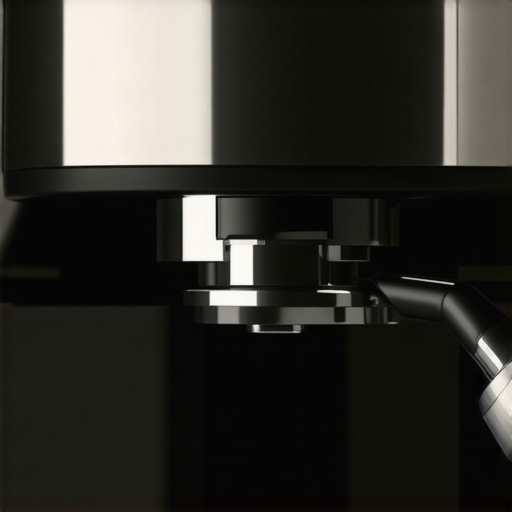
“, “image”: {“imagePrompt”: “A high-end modern espresso machine with its side panel removed, showing copper boilers and intricate tubing with visible white mineral scale buildup on a heating element, set in a professional luxury kitchen environment.”, “imageTitle”: “Internal Scale Build-up on Espresso Machine Boilers”, “imageAlt”: “Close-up of mineral scale on the copper heating element of a luxury espresso machine.”}, “categoryId”: 0, “postTime”: “”}