The obsession with clear acrylic bins is a aesthetic band-aid for poor architectural planning. I have spent two decades designing high-end culinary spaces, and I have seen these plastic ‘systems’ fail within six months. They scratch. They attract static. They trap humidity. Most importantly, they hide the very inventory they are meant to manage. If you are serious about a luxury kitchen, you need to think about the bones of the space rather than the containers you buy at a big-box store. A professional walk-in pantry should function like a well-oiled machine, not a retail display for microplastics.
How to Organize a Walk-in Pantry Without Using Plastic Bins
The first step in true organization is understanding the thermal dynamics of your storage. Plastic is an insulator; it holds heat. When you pack grains and dry goods into plastic bins, you risk localized temperature spikes that degrade food quality. Instead, we look to glass, stone, and wood. These materials offer thermal mass. They stay cool. The result? Better preservation for your premium cookware and ingredients. For a deeper look at how layout affects utility, you might consider why your modern kitchen reno should include a scullery to move the heavy lifting away from the primary visual zones.
The Engineering of Open Shelving
Standard wire shelving is the enemy of the home chef. It is unstable. It leaves marks on your items. Professional-grade pantries utilize solid hardwood or stone ledges. This isn’t just about looks. A solid surface allows for ‘Sliding Inventory Management.’ You can move a heavy 20lb bag of flour without the friction and snagging of wire or the brittle snap of a plastic bin. We often integrate the cabinet pull-out secret for deep corner storage into walk-ins to eliminate dead zones where cans go to die. Every inch must be accessible. If you can’t see it, you don’t own it. That is the rule of the industry veteran.
The Reality of Material Failure
I once walked into a client’s home where three ‘air-tight’ plastic containers had cracked under the weight of the shelves above. The mess was catastrophic. Plastic fatigues. It becomes yellow and brittle. If you are storing high-torque items like attachments for your stand mixers or heavy ports for espresso machines, plastic bins are a liability. We use powder-coated steel or solid oak boxes. They don’t flex. They don’t fail. According to standards set by the National Kitchen & Bath Association (NKBA), the weight-bearing capacity of your storage should exceed your heaviest appliance by 40%. Plastic rarely meets this threshold over a five-year horizon.
The ROI of Quality Materials
Building a pantry with permanent, non-plastic materials increases the long-term value of your property. Buyers in 2025 are looking for ‘built-in’ utility. They want to see custom-milled dividers and stone-lined cold shelves for root vegetables. This is about strategic asset management. You spend thousands on air fryers and high-end tech; don’t shove them into a $5 bin. Use tiered wooden risers. They provide visibility. They provide airflow. Air circulation is vital to prevent the ‘musty cupboard’ smell that plagues poorly designed walk-ins. We also recommend the best way to store large pasta pots in small kitchens for those trying to maximize verticality without clutter.
Market Corrections and Future Proofing
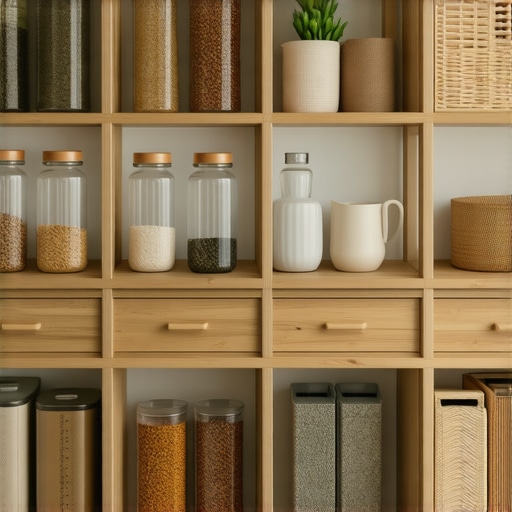
The industry is moving away from disposable storage. We are seeing a massive shift toward biophilic design and chemical-free environments. In the next 12 to 24 months, I predict ‘Plastic-Free’ will be a standard specification for high-end residential projects. Regulatory changes regarding BPA and phthalates in food-contact surfaces are already tightening. By designing your pantry with glass jars and wooden crates now, you are staying ahead of the curve. [image_placeholder_1] It’s about building for the next generation of the home. This isn’t a trend. It’s a return to sensible, durable engineering.
The Executive Verdict
My recommendation is clear: Hold on buying more containers. Sell the idea that you need bins to be organized. Instead, invest in better shelving and permanent dividers. If you are currently looking at a sea of plastic, start by swapping your most-used items into glass. The weight of the glass provides a sensory anchor—you feel the quality every time you reach for sugar or coffee. It changes the way you interact with your kitchen. The strategy is simple. If the material can’t outlast the house, it doesn’t belong in the pantry.
Frequently Asked Questions
What is the best way to store bulk grains without plastic?
Large-scale glass jars with rubber seals are the gold standard. They are non-porous and easy to sanitize. How do I handle small packets?
Use built-in wooden shallow drawers or ‘spice steps’ carved from solid timber. This keeps them visible without the need for a ‘junk bin.’ Is wood safe for food storage?
Yes, provided it is treated with a food-safe oil. We recommend looking into the most durable non-toxic coating concepts to understand how to maintain surfaces that come near your ingredients. How do I prevent items from sliding on stone shelves?
Natural friction from the stone is usually enough, but a thin cork liner—a natural, renewable material—is an excellent non-plastic alternative.