
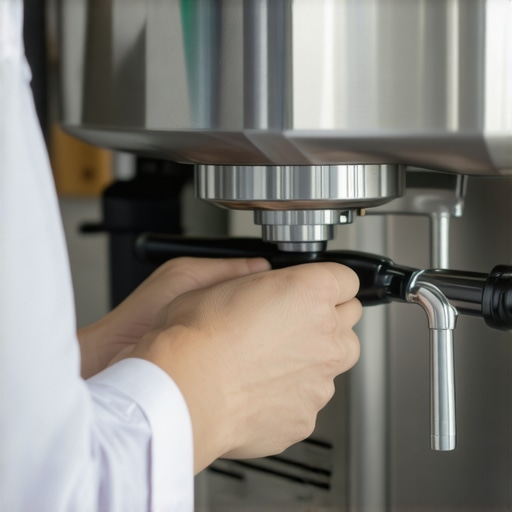
How to Descale Your Espresso Machine Without Damaging the Internals
Most home baristas treat descaling as a routine chore. They are wrong. Descaling is a controlled chemical reaction where acid meets metal, and if you mismanage the concentration, you are essentially paying to erode your machine from the inside out. After fifteen years in the luxury kitchen appliance sector, I have seen more $5,000 boilers ruined by ‘aggressive cleaning’ than by actual neglect. The stakes are simple: use the wrong solution and you dissolve the sacrificial zinc or etch the copper, leading to catastrophic internal leaks. The goal is to strip the calcium carbonate without stripping the integrity of the machine itself.
The Chemical Reality of Mineral Accumulation
Scale is not just ‘dirt.’ It is a calcified shield that builds up on heating elements. When this layer thickens, your boiler has to work harder, consuming more energy and eventually causing thermal fatigue in the copper. However, the ‘technical truth’ most manufacturers omit is the risk of flash-descaling. If you use a high-concentration citric acid in a machine with heavy scale, the acid can break off large chunks of calcium instead of dissolving them. These flakes then travel through the system, clogging the tiny 0.6mm gicleur or the clogged steam tip, requiring a full teardown. The chemistry must be gradual. The smell of hot vinegar is a warning sign of a failed strategy; it is too volatile for high-end gaskets.
The Risk of Thermal Bridging and Gasket Failure
When you introduce descaling agents into a dual-boiler system, you must account for the different temperatures. Using cold descaler in a hot boiler causes thermal shock. I have stood in luxury kitchens where the owner was baffled that their machine was leaking from the group head after a cleaning cycle. The reason? The rapid temperature shift during the flush caused the group head gasket to contract and fail. You can find more on maintaining these components in our guide on fixing leaking steam wands. It is about precision, not power. [IMAGE_PLACEHOLDER] The sensory feedback tells the story. You should hear the soft hiss of the pump, not the heavy, labored groan of a machine struggling against a dislodged calcium blockage.
The Macro View of Water Filtration in 2025
Looking ahead into the next 12 to 24 months, the industry is shifting toward preventative water chemistry rather than reactive descaling. Regulatory changes in local water treatment are increasing the presence of chloramines, which are even more aggressive toward stainless steel. The second-order effect of this is that standard descaling powders will no longer be sufficient for the modern luxury espresso machine. We are seeing a move toward BWT (Best Water Technology) systems that manage magnesium and calcium ratios before the water even enters the reservoir. If you are serious about longevity, your next investment should be at the source, not in the cleaning cupboard.
The Executive Verdict
If your machine is already showing signs of performance lag, do not reach for the strongest acid you can find. Buy/Sell/Hold: I recommend a ‘Hold’ on heavy chemical descaling for machines over two years old that have never been treated. In those cases, a professional teardown is the only safe path. If the machine is new, use a lactic-acid-based solution monthly. It is gentler on the brass internals. If you notice a mineral build-up in your smart coffee machine, address it immediately. Precision today prevents a three-week repair delay tomorrow.
FAQ
Can I use white vinegar to descale? No. Vinegar contains acetic acid which is too aggressive for rubber seals and often leaves a persistent flavor profile that is nearly impossible to flush out of the copper boilers.
How do I know if my machine is damaged by scale? Look for longer heating times and inconsistent pressure readings. If you hear a high-pitched ‘whistle’ during the heating cycle, it is usually scale vibrating on the element.
Should I descale if I use filtered water? Yes. Even the best consumer-grade filters only reduce mineral content; they do not eliminate it. Slow accumulation is inevitable.
What is the safest descaling agent? Look for products containing lactic acid or phosphoric acid blends specifically designed for espresso machines, as these are formulated to protect brass and copper components.