
Ditch the Subway Tile: 4 Backsplash Ideas for a Modern Look
Subway tile has become the beige paint of the 2020s. It is safe, predictable, and frankly, it is killing the architectural soul of the modern luxury kitchen. After fifteen years of tearing out builder-grade ceramics and replacing them with high-performance surfaces, I have noticed a recurring pattern. Homeowners choose the classic 3×6 white rectangle because they fear obsolescence, yet they end up with a space that feels like a high-end hospital cafeteria. Getting this wrong is a six-figure mistake. A backsplash is not just a moisture barrier; it is the visual anchor that connects your professional-grade appliances to your cabinetry. If you are investing in a three-thousand-dollar espresso machine or a custom-built range, framing it with ten-cent tiles is a strategic failure. The market is shifting toward surfaces that offer depth, tactile feedback, and technical endurance.
The Monolith Effect
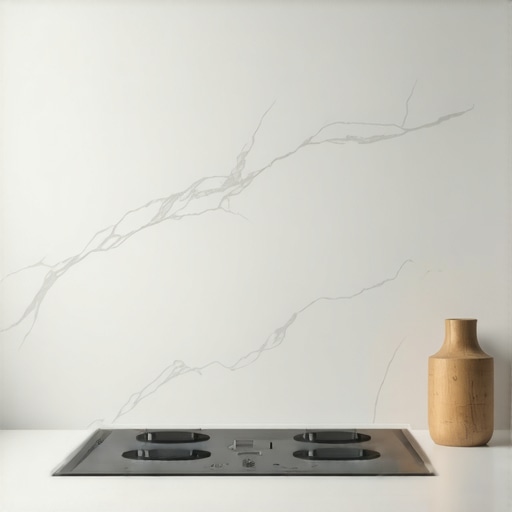
The most significant shift in high-end design is the move away from grout lines entirely. Grout is the enemy of the gourmet kitchen. It absorbs grease, harbors bacteria, and eventually discolors from the steam of a high-powered range hood. Extending your countertop material vertically—known as a full-slab backsplash—creates a visual continuity that makes a kitchen feel twice as large. Whether you choose book-matched quartzite or a honed granite, the lack of fragmentation is the hallmark of modern luxury. In my experience, waterfall edges in contemporary kitchen architecture work best when they mirrored by a slab backsplash. The engineering reality? You must account for the weight. A full slab of 3cm stone requires reinforced wall framing. I have seen contractors skip this step, leading to sagging cabinetry and cracked caulk lines within a year.
[image_placeholder]
Metal Textures and Industrial Reality
For those who prefer a kitchen that looks like a functional laboratory rather than a showroom, textured metal is the play. I am not talking about cheap peel-and-stick tins. I mean heavy-gauge hammered copper, brushed brass, or industrial stainless steel. These materials reflect light in a way that tile never can, adding a dynamic quality to the room as the sun moves. If you own premium cookware, matching the metal of your backsplash to the patinated finish of your pans creates a cohesive, working-chef aesthetic. The risk here is acidity. Splashing tomato sauce on an unsealed copper backsplash will cause immediate, permanent staining. It requires a homeowner who understands the maintenance of living finishes. The smell of fresh metal cleaner and the weight of a solid brass sheet are sensory markers of a kitchen built for actual use, not just for staging.
Vertical Integration of Functionality
A modern backsplash should do more than look pretty. We are seeing a massive trend toward ‘active’ backsplashes that incorporate recessed niches or shelving. Think of it as a dedicated station for your culinary workflow. Instead of cluttering your counters with stand mixers or canisters, a deep-set backsplash niche keeps your tools at eye level but off the prep surface. This is particularly effective behind an espresso machine, where a recessed shelf can hold your portafilters, tampers, and scales. This requires precise planning during the rough-in phase. You cannot simply cut a hole in the wall after the fact. You need to know the exact dimensions of your appliances to ensure the clearance is perfect. The result? A workspace that functions with the efficiency of a Michelin-star line.
The Sintered Stone Shift
If you want the look of natural stone without the porous fragility, sintered stone is the technical winner for 2025. Materials like Dekton or Neolith are manufactured under intense pressure and heat, making them virtually indestructible. You can blast them with a blowtorch or scrub them with harsh chemicals; they do not care. This is the ultimate solution for the area directly behind the cooktop. Most natural marbles will eventually ‘yellow’ from the constant heat cycles of a high-BTU burner. Sintered stone remains inert. When you consider the ROI of a high-end kitchen renovation, choosing a material that looks brand new ten years from now is the only logical move. I have seen $200,000 kitchens look dated because the marble backsplash etched and stained within the first six months. Avoid that trap.
The Macro View
The industry is moving toward ‘warm minimalism.’ The cold, sterile white kitchens of the last decade are being replaced by rich textures and organic tones. Over the next 12 to 24 months, expect to see more integrated lighting within the backsplash itself—not just under-cabinet strips, but backlit translucent stones that glow from within. We are also seeing a rise in ‘hidden’ kitchens where the backsplash is actually a series of pocket doors that hide the sink and small appliances when not in use. If you are planning a renovation, my advice is to skip the trends you see on social media and focus on material longevity. Buy the highest quality surface your budget allows, and ensure your installer understands the thermal expansion coefficients of the materials they are handling. Picking the perfect backsplash is about balancing your daily cooking habits with long-term property value. If you fry food daily, a textured stone is a nightmare. If you rarely cook, go for the most dramatic visual impact possible.
Executive Strategy
If you are currently staring at a wall of outdated tile, my recommendation is clear: Hold off on a cheap replacement. If you cannot afford a full-slab stone or premium metal installation, wait until you can. A mid-tier tile job will need to be redone when you eventually sell the home. A high-end slab is a permanent asset.
Frequently Asked Questions
Q: Is a slab backsplash significantly more expensive than tile?
A: Yes, typically 3x to 5x more when factoring in material costs and the specialized fabrication required for cutouts like electrical outlets.
Q: Can I install a metal backsplash over existing tile?
A: No. It is a shortcut that leads to moisture being trapped between layers, eventually causing mold or adhesive failure.
Q: How do I handle electrical outlets on a full stone slab?
A: Use color-matched outlet covers or, better yet, install ‘plug strips’ under the upper cabinets to keep the stone surface completely uninterrupted.
Q: Does sintered stone require sealing like granite?
A: No. Its non-porous nature means it never needs sealing, making it one of the lowest-maintenance options on the market.