
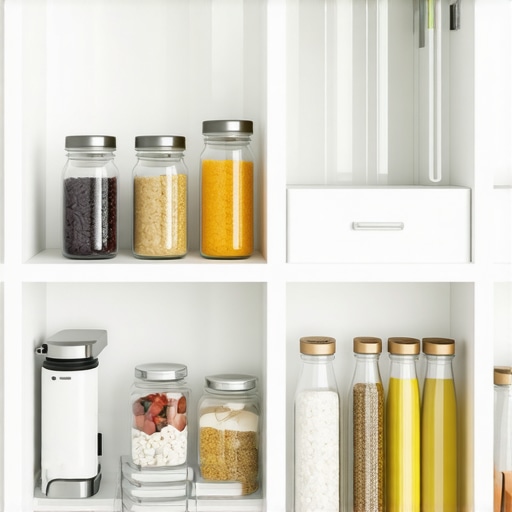
The Best Way to Organize a Walk-in Pantry for Maximum Efficiency
Efficiency in a luxury kitchen isn’t about aesthetic glass jars or color-coded snack bins. It is a matter of logistical engineering. After fifteen years of designing high-end culinary spaces, I have observed a recurring failure: homeowners treat their walk-in pantry as a static storage closet rather than a dynamic staging area. This is a technical error. A pantry must facilitate the workflow of a high-volume kitchen, accommodating the weight of premium cookware and the specific power requirements of professional-grade appliances. The result of poor planning? Structural deflection and wasted movement. We are moving toward a standard where the pantry is a high-performance scullery, not just a place to hide the flour.
The Structural Reality of Heavy Loads
Most builder-grade pantries use wire racks or thin MDF shelving. This is a recipe for disaster when you introduce professional equipment. When you place a 30-pound cast iron Dutch oven or a heavy-duty stand mixer on a shelf with a 36-inch span, you are testing the limits of material shear strength. The engineering reality dictates that you must use 3/4-inch plywood or reinforced steel-track systems to prevent sagging. I have seen custom cabinets buckle because the installer didn’t account for the combined weight of a full set of copper pots and a collection of air fryers. This is why designers are swapping pantries for modular sculleries that can handle industrial-grade loads.
You must calculate the load-bearing requirements for every linear foot of shelving. According to the National Kitchen & Bath Association (NKBA) guidelines, shelves intended for heavy small appliances should be reinforced with mid-span brackets if the length exceeds 24 inches. Failure to do so leads to the ‘smell of fresh adhesive’—the scent of wood glue failing as joints pull apart under stress.
Zonal Planning and Heat Dissipation
The layout should follow a ‘Frequency of Access’ model. This is essentially a Cost-Benefit Matrix in physical form. High-use items like daily-use espresso machines belong at elbow height, while seasonal equipment sits on the top tier. However, heat management is the variable most people miss. Running a high-wattage air fryer in a confined walk-in pantry creates a micro-climate that can accelerate the oxidation of dry goods and ruin expensive coffee beans. If you plan to use appliances in situ, you need a dedicated 20-amp circuit and active ventilation. Without it, you are inviting a service call for thermal sensor failure. If you’ve ever wondered why your espresso tastes bitter even with expensive beans, the answer might be the heat exposure they suffered sitting on a shelf directly above a running toaster oven.
The Mechanical Stability of the Appliance Station
Stability is non-negotiable for motorized equipment. A high-torque mixer can generate significant vibration. If the shelf isn’t rigidly anchored to the studs, the energy transfer will cause ‘walking.’ You might find your stand mixer walks across the shelf during a heavy bread dough cycle, leading to a catastrophic drop. For serious bakers, investing in all-metal gear mixers is only half the battle; the other half is a vibration-dampened surface. Use a heavy butcher block insert or a solid surface countertop within the pantry to absorb these kinetic forces.
The Macro Shift: The Scullery Evolution
Looking ahead into the next 24 months, the trend is moving toward ‘The Deconstructed Kitchen.’ The walk-in pantry is being absorbed into the scullery concept where prep, storage, and cleanup are consolidated. Regulatory changes regarding kitchen ventilation are becoming more stringent, especially for gas-connected spaces. This makes the pantry an ideal location for high-powered electric appliances like induction hobs and steam-hybrid air fryers. We are seeing a move away from fixed shelving toward adjustable, stainless steel modular systems that can be reconfigured as your collection of luxury kitchen tools evolves. The flexibility is the ROI.
The Executive Verdict
If you are building or renovating, skip the built-in wood shelves. They look great on day one but lack the hygroscopic stability required for long-term kitchen use. Buy high-grade adjustable steel tracks. If you have the space, install a dedicated water line for your espresso setup. The strategy is simple: prioritize structural integrity and thermal management over visual symmetry. The goal is a space that works as hard as you do.
Pantry Efficiency FAQ
Q: What is the ideal shelf depth for a walk-in pantry?
A: For general storage, 12 to 14 inches is standard. For a dedicated appliance station housing air fryers or stand mixers, you need a minimum of 20 to 24 inches to allow for cord clearance and heat dissipation.
Q: How do I prevent my pantry from getting too hot?
A: Install a passive louvered door or a small exhaust fan linked to the light switch. This is especially vital if you run an espresso machine or a refrigerator unit inside the space.
Q: Should I use open shelving or drawers?
A: Drawers are superior for bottom-tier storage to prevent ‘lost’ inventory. Open shelving is better for mid-level access where speed is the priority. For premium cookware, use heavy-duty pull-out racks that allow you to lift from the top rather than sliding items across a finished surface.
Comments are closed.