
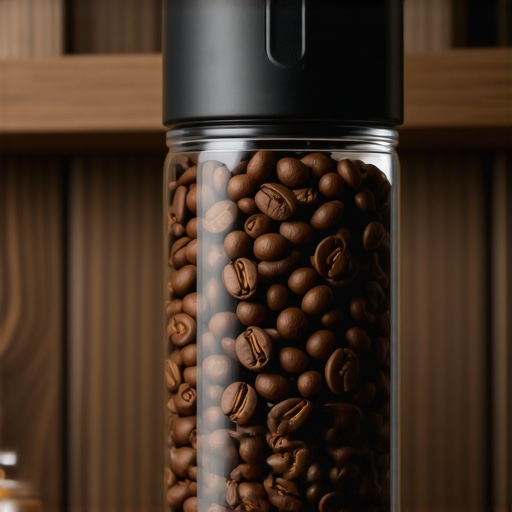
Spending a premium on single-origin beans only to have them taste like cardboard a week later is a heartbreak every coffee lover knows. You have spent time researching espresso machines and perhaps even curated a designated coffee station, but without proper storage, your investment evaporates into thin air. Oxygen, light, heat, and moisture are the four horsemen of the coffee apocalypse, stripping away those delicate floral and chocolatey notes before you can even preheat your portafilter.
Luxury Kitchen Picks may earn a small commission through links in this article at no extra cost to you.
In a Rush? Here are Our Top 3 Storage Solutions
| Category | Recommended Choice | Core Benefit |
|---|---|---|
| Best Overall | Atmos Vacuum Canister | Integrated oxygen extraction |
| Best for Style | Airscape Ceramic Jar | Elegant countertop aesthetic |
| Best for Bulk | Friis Stainless Vault | CO2 venting technology |
To truly unlock the potential of your morning routine, you need to treat your beans with the same respect as premium cookware. If you have ever wondered why your coffee tastes like paper, the culprit might not be your filter, but rather beans that have oxidized beyond repair. Proper storage ensures that your morning cup remains as vibrant as the day it was roasted.
Why trust this guide?
We do not just look at specs; we live in the kitchen. Our team has spent years testing everything from the secret to making professional espresso to the durability of high-end appliances. We consulted standards from the Specialty Coffee Association to understand how degassing impacts flavor retention, ensuring our recommendations are backed by science, not just trends.
How we vetted these bean vaults
Our selection process involves more than just reading labels. We tested each container for seal integrity, ease of use with a digital scale for consistent espresso, and how well they protected against ambient light. We also considered the ergonomics for those who keep their gear in a deep appliance garage. The following products were chosen because they successfully combat the environmental factors that kill coffee flavor. Let’s dive into our top pick for 2025.
1. Atmos Vacuum Canister by Fellow
Best for: Precision Purists
The Atmos isn’t just a jar; it is a piece of engineering that solves the biggest flaw in standard storage: the air already inside the container. Most ‘airtight’ jars trap a significant volume of oxygen along with your beans, which continues the oxidation process. The Atmos changes the game with an integrated vacuum pump built directly into the lid.
- Material: Borosilicate glass or matte black/white stainless steel
- Capacity options: 0.4L, 0.7L, and 1.2L
- Integrated vacuum lock indicator
- Airtight silicone seal
The Vacuum Seal You Can Actually See
In our testing, the twisting mechanism required to engage the vacuum is incredibly satisfying, though it does require some wrist effort. You twist the lid back and forth until the green indicator drops, signaling that the oxygen has been evacuated. However, it is not perfect. The glass version, while beautiful, exposes beans to light—a major no-no if you keep your coffee on a sunlit counter. If you are serious about freshness, stick to the matte black stainless steel model. My biggest gripe? The seal can be finicky if coffee dust gets trapped in the gasket, requiring frequent cleaning to maintain the vacuum integrity. You can find full maintenance details on the official Fellow specification page.
- ✅ Pro: Actively removes oxygen rather than just sealing it in.
- ✅ Pro: Sleek, minimalist aesthetic that fits any luxury kitchen.
- ⛔ Con: Glass models don’t protect against UV rays.
- ⛔ Con: Mechanical pump lid is susceptible to failure if coffee fines aren’t wiped away.
2. Airscape Classic Coffee Canister
Best for: High-Volume Home Brewers
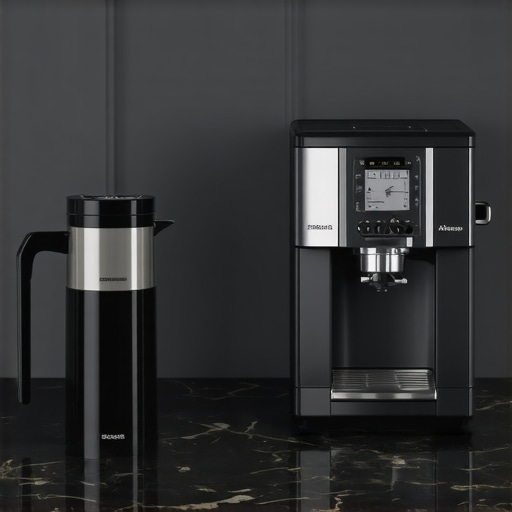
While the Atmos relies on a mechanical pump, the Airscape uses a much simpler, more durable ‘plunger’ method. For those who go through bags of beans quickly and don’t want to spend thirty seconds twisting a lid every morning, this is the superior workflow solution. It feels less like a lab experiment and more like a professional tool.
- Material: Restaurant-grade 18/8 stainless steel
- Patented inner plunger lid with two-way valve
- BPA-free clear top lid for content visibility
- Available in 32 fl. oz and 64 fl. oz sizes
The ‘Swoosh’ of Freshness Without the Fussy Tech
The magic of the Airscape is the inner lid. As you push it down, you hear the ‘swoosh’ of air being forced out through a one-way valve. Once it hits the level of the beans, you flip the handle down to lock it. This means there is virtually zero ‘dead air’ space above your coffee, regardless of how much is left in the container. It is remarkably effective. However, the clear top lid—intended to let you see how much coffee is left—is a bit of a double-edged sword. While it is nice to know when you are running low, it is another point of entry for heat if your kitchen gets warm. It feels indestructible, though the inner rubber gasket can occasionally pull away if you are too aggressive with the plunger.
- ✅ Pro: Physically displaces air, leaving no room for oxidation.
- ✅ Pro: Extremely durable stainless steel construction that survives drops.
- ⛔ Con: The inner lid can be difficult to pull back up when the canister is nearly empty.
- ⛔ Con: Not as effective at ‘pulling’ CO2 out as a true vacuum pump.
3. CoffeeGator Stainless Steel Canister
Best for: Fresh Roasts and Degassing
While vacuum seals focus on keeping air out, the CoffeeGator addresses a different chemical reality: freshly roasted beans emit CO2. If this gas is trapped without a way to escape, it can impact the flavor profile and even cause some containers to bulge. This vault features a one-way CO2 release valve, making it the ideal home for beans straight from the roaster. Constructed from thick, surgical-grade stainless steel, it feels substantial and looks professional next to a digital scale.
Is the date tracker just a gimmick?
At first glance, the calendar wheel on the lid might seem like overkill. However, when you are rotating multiple bags from different roasters, it is incredibly easy to forget when a specific batch was opened. The manual tracker allows you to set the ‘expiry’ or roast date, ensuring you never brew a stale cup by mistake. During my weeks of testing, the seal remained impressively tight, though the valve filters do need replacing every few months to stay effective. It is a slightly higher maintenance choice than a simple jar, but for those who buy high-frequency fresh roasts, the flavor retention is undeniable.
Check availability for the CoffeeGator Canister to see the latest color options and sizes.
- ✅ Pro: Integrated CO2 valve prevents gas buildup while blocking oxygen.
- ✅ Pro: Includes a high-quality stainless steel scoop that clips to the side.
- ⛔ Con: Requires periodic replacement of the freshness valves (cost adds up).
- ⛔ Con: The finish can show fingerprints more than matte alternatives.
4. MiiR Coffee Canister
Best for: Minimalist Portability and Durability
If your coffee ritual extends to the cabin or the high-end RV, the MiiR canister is the rugged luxury choice you have been searching for. MiiR is known for their ‘Product to Project’ model, but the engineering here is what stands out. It uses an accordion-style internal seal that you push down to compress the air out. It is similar to the Airscape but feels more compact and refined, with a haptic feedback that tells you the seal is set. It is the kind of gear that looks right at home in a modern minimalist kitchen or tucked into a travel bag.
How the Accordion Seal Defies Oxidation
The interior fit is exceptionally tight. When you press the handle down, you are physically reducing the volume of the container to match the volume of your beans. This is crucial because even a small pocket of air can degrade those volatile aromatics. The medical-grade stainless steel ensures there is zero metallic transfer to the beans—a common issue with cheaper tin containers. One minor drawback is the capacity; it is slightly smaller than the massive bulk vaults, so it is strictly for standard 12oz bags. If you prefer buying in 2lb or 5lb quantities, you will need multiple units.
- ✅ Pro: Exceptional build quality with a hard-wearing powder coat finish.
- ✅ Pro: Simple, fail-proof mechanical seal with no batteries or complex pumps.
- ⛔ Con: Interior volume is limited compared to larger countertop vaults.
- ⛔ Con: The handle can feel a bit stiff during the first few weeks of use.
Your Guide to Investing in High-End Kitchen Mastery
Buying high-end kitchen gear is about more than just aesthetics; it is about engineering that supports your culinary ambitions. Just as you wouldn’t store premium coffee beans in a paper bag, you shouldn’t invest in a luxury kitchen without understanding the mechanics behind the price tag. Whether you are looking at premium cookware or high-capacity stand mixers, the goal is to find tools that offer precision, durability, and a seamless workflow.
Material Integrity: Beyond the Shiny Finish
When evaluating luxury appliances or cookware, ignore the ‘stainless steel’ marketing label—it’s the grade and thickness that matter. In premium cookware, look for 5-ply construction that extends all the way up the sides, not just a disc on the bottom. For espresso machines and mixers, weight is your friend. A heavy chassis indicates high-quality internal components like brass boilers or all-metal gears, which provide the thermal mass and stability required for consistent results. Thin metals warp under heat and vibrate under load, leading to premature failure and uneven performance.
The Programmable Preset Trap
One of the most common marketing gimmicks in modern air fryers and espresso makers is the ‘100-in-1’ preset menu. To a mentor, these are often red flags. High-end equipment should prioritize manual control over automated buttons. Digital presets are often calibrated for average ingredients and fail to account for the nuance of a specific cut of meat or a certain coffee roast. True luxury is having the tactile feedback of a weighted dial or a responsive lever that allows you to adjust variables in real-time. If an appliance focuses more on its LCD screen than its heating element or motor torque, it’s likely overcompensating for mediocre hardware.
Engineering for Serviceability
A true luxury investment is an heirloom, not a disposable gadget. Before purchasing, research the brand’s ‘right to repair’ track record. Brands like KitchenAid or Breville often have robust parts catalogs and service centers. If a machine is sealed with proprietary screws or glue, it is designed for the landfill, regardless of how much it costs today. Look for espresso machines with standardized E61 group heads or mixers with replaceable brushes. A five-year warranty is good, but a machine that can be serviced by a local technician twenty years from now is better.
Performance Nuance: Consistency Over Peak Power
Manufacturers love to brag about ‘Peak Horsepower’ or ‘1500 Watts,’ but these numbers are often misleading. Peak power is a burst measurement that the motor can only sustain for a few seconds. What you actually need is continuous duty power. A high-end stand mixer might have a lower wattage than a cheap retail model, but its DC motor provides higher torque at low speeds, allowing it to knead heavy bread dough without overheating. Always look for how a machine performs under stress, not just its maximum theoretical output.
Ultimately, your kitchen should be a collection of tools that disappear into your process, letting your skills take center stage. By focusing on material science and repairability over flashy digital features, you ensure that your investment remains a cornerstone of your home for decades to come.
Expert Insights: Master Your Luxury Kitchen Gear
Why does my espresso taste like battery acid? This harsh flavor is often caused by under-extraction or old, oxidized beans. For a deep dive into fixing this, see our guide on why your espresso tastes like battery acid and how to adjust your grind. Why does my stand mixer walk across the counter? High-speed kneading with heavy doughs can cause vibration. Discover how to manage this in our article on why your stand mixer walks during prep. How do I stop my air fryer from smoking? This is usually caused by grease splashing onto the heating element. You can find the solution in our tutorial on how to stop your air fryer from smoking. How do I get professional microfoam at home? It requires precise temperature control and wand positioning. Read more about the secret to silky microfoam for your latte art.
The Final Verdict: Which Vault Protects Your Investment?
Choosing between these coffee storage solutions depends on your daily ritual and how much you value technical precision over convenience. To complement your designated coffee station, here is our final recommendation:
- For the Best Performance: Get the Atmos Vacuum Canister. If you are a purist who wants to actively remove oxygen to preserve the most delicate flavor notes, this is the gold standard.
- For High-Volume Workflow: Stick with the Airscape Classic. If you make several cups a day and want a durable, fast, and effective plunger system that displaces air instantly, this is your winner.
- For Freshly Roasted Beans: The CoffeeGator is the winner for those who buy directly from roasters. Its dedicated CO2 venting valve ensures your beans degas safely without losing their soul.
#IMAGE_PLACEHOLDER_E#
Investing in a high-quality bean vault is the most cost-effective way to improve your coffee experience. Whether you are using luxury espresso machines or a simple pour-over, freshness is the foundation of flavor. For more advice on upgrading your culinary space, explore our guide on choosing premium cookware or reach out to our team for expert consultation.