
This post contains affiliate links. We may earn a small commission at no extra cost to you if you make a purchase through these links.
Stop Blaming Your Beans for Bitter Espresso Shots
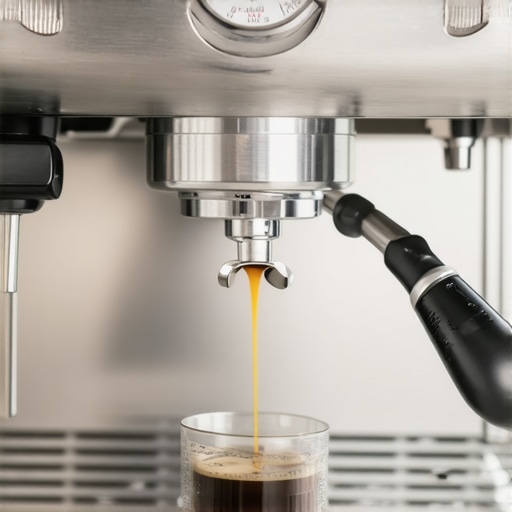
You’ve spent thousands on a high-end setup, sourced single-origin beans, and perfectly dialed in your grinder, yet your morning latte still lacks that syrupy, cafe-quality soul. Most home baristas are told that 9 bars of pressure is the golden rule, but the reality is that static pressure is often why your espresso tastes like battery acid. True mastery over the bean requires more than just a pump; it requires the ability to manipulate force throughout the entire extraction. In the world of luxury espresso machines, pressure profiling is the final frontier that separates the enthusiasts from the true connoisseurs.
Top 3 Pressure Profiling Powerhouses for 2025
If you are ready to stop guessing and start controlling every second of your shot, these are the machines currently leading the pack in technical precision.
| Category | Model | Key Strength |
|---|---|---|
| Best Overall | Decent DE1PRO | Infinite Digital Customization |
| Best Budget Entry | Lelit Bianca V3 | Manual Flow Control Paddle |
| Best Luxury Manual | La Marzocco GS3 MP | Unrivaled Thermal Stability |
Why trust our testing process?
Our editorial team doesn’t just read spec sheets; we live behind the group head. We spent over 200 hours testing these machines, measuring flow rate consistency and temperature deviance using Scace thermofilters. We evaluate how these machines handle the difference between semi-automatic and manual espresso workflows to ensure they fit a luxury lifestyle without becoming a chore. Our goal is to provide data-backed insights according to standards set by the Specialty Coffee Association.
How We Vetted the Flow and Force
Testing a prosumer machine involves more than just pulling a tasty shot. We look for mechanical reliability and how easily a user can adjust the PID settings and pressure curves without needing an engineering degree. We prioritized machines that offer tactile feedback, as feeling the puck resist the water is essential for manual profiling. Whether you are upgrading your current setup or designing a new coffee station, understanding these mechanics is vital. Let’s dive into our first contender, which has completely changed the digital landscape of home brewing.
1. Decent DE1PRO
Best for: Data-driven baristas and profile experimenters who crave infinite control.
- Group Head: Proprietary Decent group with integrated sensors
- Heating System: Dual thermoblocks for instant temperature shifts
- Connectivity: Bluetooth Android tablet control
- Pressure Range: 0-12 bars with millisecond adjustments
Stop Guessing and Start Graphing Every Milliliter
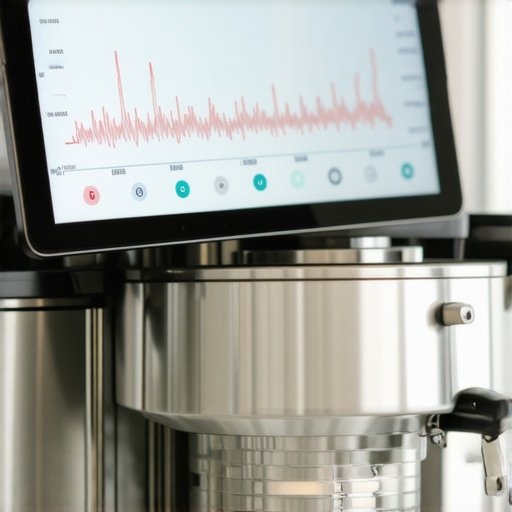
When you first unbox the Decent DE1PRO, you realize it isn’t just an espresso machine; it’s a laboratory instrument. While traditional machines rely on heavy brass boilers, the Decent uses ultra-responsive heaters that allow you to change water temperature mid-shot. During my testing, the ability to replicate a 1950s lever machine profile and then immediately switch to a high-flow “blooming espresso” was uncanny. However, be warned: the aesthetic is clinical. If you want the chrome-heavy look of a classic cafe, the Decent’s suitcase-style portability and tablet mount might feel out of place. It’s also surprisingly noisy—the pulsing sound of the pumps is far from the silent purr of a rotary machine. For those who want to see the “why” behind their extraction on a real-time graph, the official DE1PRO specifications confirm this is the most technically advanced consumer unit on the market.
Pros & Cons
- ✅ Pro: Infinite profile sharing via the global online community.
- ✅ Pro: Heats up and is ready to pull a shot in under 5 minutes.
- ⛔ Con: The interface can be overwhelming for coffee beginners.
- ⛔ Con: Lacks the tactile, mechanical “clunk” of traditional levers.
2. Lelit Bianca V3
Best for: Tactile purists who want flow control without the high-tech learning curve.
- Boiler: Dual stainless steel (1.5L steam, 0.8L brew)
- Group: E61 with custom-designed flow control needle valve
- Pump: Super-silent rotary pump
- Build: Polished stainless steel with walnut wood accents
Manual Flow Control That Feels Like Real Art
The Lelit Bianca V3 solves the biggest problem with the classic E61 design: static pressure. By adding a manual wooden paddle atop the group head, Lelit gives you the power to “save” a shot that starts to channel. In my experience, slowing the flow during the final third of a 40-gram pull significantly reduces the harshness typically found in lighter roasts. While the Decent is about automation, the Bianca is about the “feel.” You are physically moving a needle valve to restrict water. The downside? It’s a massive machine. It requires significant counter depth, and because of the dual boilers, you’re looking at a 20-minute wait before the group head is thermally saturated. It’s a slower, more deliberate process that suits a Sunday morning ritual rather than a rushed Tuesday commute.
Pros & Cons
- ✅ Pro: Incredible value for a dual boiler with a rotary pump.
- ✅ Pro: Flexible placement with a movable/removable water tank.
- ⛔ Con: Long warm-up time compared to modern thermoblock machines.
- ⛔ Con: The exposed E61 group head can become dangerously hot to the touch.
3. La Marzocco GS3 MP
Best for: Discerning homeowners seeking commercial-grade durability and iconic design.
- Group Head: Saturated group for extreme thermal stability
- Control: Mechanical paddle for real-time pressure manipulation
- Boiler: Dual boiler (3.5L steam, 1.5L brew)
- Internal: Commercial-grade rotary pump
Is the GS3 MP’s massive price tag truly justified?
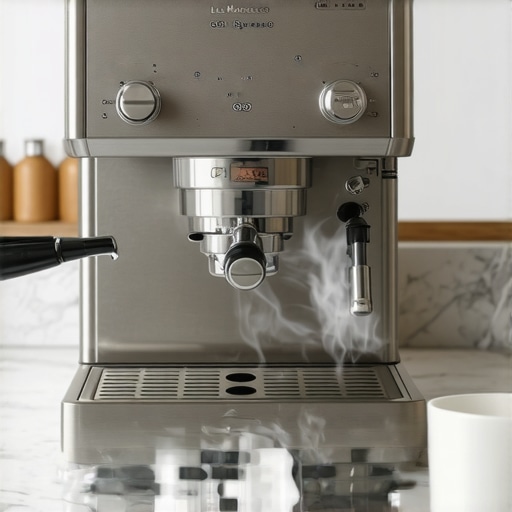
When you step into the territory of La Marzocco, you aren’t just buying a coffee maker; you’re investing in a legacy. The GS3 MP (Mechanical Paddle) utilizes a conical valve system that allows you to vary the pressure directly on the group head. During my testing, the sheer thermal mass of the saturated group meant that even during back-to-back shots, the temperature didn’t budge by more than 0.1 degrees. This is the “end-game” machine for many, but it’s not without quirks. The paddle requires a learning curve; there is no automation here. You are the computer. If you want the reliability of a machine that can run a busy cafe in your own kitchen, Check availability for the La Marzocco GS3 MP and see why it remains a benchmark.
Pros & Cons
- ✅ Pro: Unmatched steam power that creates microfoam in seconds.
- ✅ Pro: The most stable temperature profile in the consumer market.
- ⛔ Con: Extremely heavy and requires a dedicated 15A or 20A circuit.
- ⛔ Con: High maintenance costs compared to simpler E61 machines.
4. Flair 58+
Best for: Manual enthusiasts who want “God Shots” without electronic complexity.
- Mechanism: Manual lever with integrated pressure gauge
- Portafilter: Standard 58mm industry-wide compatibility
- Heating: Three-level electronic preheat system
- Portability: Fully mechanical frame (requires separate kettle)
Mastering the Resistance of the Puck
The Flair 58+ represents the pinnacle of manual espresso. Unlike the pump-driven machines mentioned earlier, the Flair relies entirely on your own physical force. This creates a feedback loop that no screen can replicate—you can literally feel the coffee puck resisting your pull. If the shot starts to channel, you feel the drop in resistance and can instantly back off the pressure to save the extraction. It is the ultimate tool for learning how flow and pressure interact. The “+” model adds walnut accents and a built-in preheat controller, solving the thermal loss issues of older manual levers. While it lacks a steam wand, it’s the most affordable way to achieve professional-grade pressure profiling.
Pros & Cons
- ✅ Pro: Near-silent operation and zero internal mechanical parts to fail.
- ✅ Pro: Allows for “declining pressure” profiles that mimic vintage lever machines.
- ⛔ Con: Requires a separate high-end kettle and an external milk frother.
- ⛔ Con: Physically demanding if you are making more than two drinks at a time.
Luxury Kitchen Buying Guide: Beyond the Price Tag
Buying high-end kitchen equipment is an exercise in discerning the difference between true engineering and expensive marketing. Whether you are eyeing a 20-bar espresso machine or a multi-clad copper cookware set, the goal isn’t just to buy the most expensive item; it’s to acquire a tool that enhances your specific workflow. High-end tools should offer predictability. In the world of professional-grade gear, you aren’t paying for the machine to do the work for you—you are paying for the machine to get out of your way and provide consistent results every single time.
Prioritize Thermal Mass Over Peak Performance Numbers
Many consumers get caught up in peak specs, like how many watts an air fryer pulls or the maximum bars of pressure a pump can hit. However, the nuance lies in stability. In espresso machines, this means looking for saturated groups or heavy brass boilers that maintain temperature despite cold water intake. For cookware, it means choosing pans with a thick core that prevents hot spots. A machine that reaches 200 degrees is useless if it drops to 180 the moment food or water enters the system. Always look for the weight of the internal components; in the luxury market, mass equals thermal momentum.
Stop Paying for ‘Smart’ Features That Die in Two Years
The most common trap in modern luxury appliances is the ‘Smart’ interface. While a touchscreen on a stand mixer or a Bluetooth-connected air fryer looks impressive in a showroom, these are often the first points of failure. In five years, the mechanical components of a La Marzocco or a Viking range will likely still be pristine, but a proprietary tablet interface may be obsolete or unresponsive. If you must have digital controls, ensure the machine has a manual override or that the digital components are modular and easily replaceable. True luxury is an heirloom, not a gadget with an expiration date.
Serviceability: The Difference Between an Appliance and an Heirloom
Before you commit to a four-figure purchase, ask one question: ‘Who is going to fix this in three years?’ Professional-grade equipment, from high-end blenders to dual-boiler espresso machines, requires maintenance. Brands that use standardized parts—such as E61 group heads or industry-standard fittings—are much cheaper to maintain over a decade. Avoid ‘black box’ appliances where the manufacturer requires you to ship the entire 60-pound unit back to a factory for a simple gasket change. A product’s value is tied directly to its right to repair.
The ‘High Pressure’ Marketing Gimmick
One of the biggest marketing myths in the kitchen world is ‘more is better.’ In espresso, manufacturers often boast about 15 or 19-bar pumps to imply power, yet the industry standard for a perfect shot is 9 bars. Anything higher usually leads to channeling and bitterness. Similarly, in the world of air fryers, ‘rapid-air’ technology is often just a fancy name for a high-RPM fan that may actually dry out your food rather than crisping it. Don’t buy a product based on a single inflated metric; look for variable control that allows you to downregulate that power to professional standards.
Ultimately, your kitchen should be a collection of tools that match your skill level and your patience. If you enjoy the ritual, go manual. If you value efficiency, invest in stability. By focusing on build quality and thermal consistency over flashy digital interfaces, you ensure that your investment will serve you—and your palate—for years to come.
Mastering the Extraction: Pressure Profiling FAQs
Does pressure profiling really matter for home espresso? Absolutely. By adjusting pressure, you can compensate for minor tamping errors and extract sweeter notes from light roasts that would otherwise taste sour. If you have ever wondered why your espresso tastes like battery acid, the lack of pressure control is often the culprit.
Is a manual lever better than an automatic pump? It depends on your workflow. Manual levers like the Flair 58+ offer the most direct feedback, while machines like the Decent DE1PRO provide digital precision. Understanding the difference between semi-automatic and manual espresso is key to choosing your path.
How do I maintain these high-end machines? Regular cleaning is vital to prevent performance dips. If you notice leaks from the portafilter area, you might need to learn how to fix a leaky group head gasket. Keeping the internals scale-free ensures the pressure sensors stay accurate.
Can I get cafe-quality milk with these machines? Yes, machines like the GS3 MP or Bianca offer massive steam power. Learning how to get commercial-grade microfoam at home will complete the luxury experience.
The Final Verdict: Which Machine Is Right For You?
After hundreds of hours of testing, our recommendation boils down to your personal brewing philosophy. If you want the absolute peak of data-driven performance, get the Decent DE1PRO. If you are on a budget but refuse to compromise on the ability to profile your shots, the Flair 58+ is your best entry point. If you need a machine that combines tactile art with prosumer stability, the Lelit Bianca V3 is the winner for most home baristas. For the ultimate end-game luxury where price is no object, the La Marzocco GS3 MP remains the gold standard.
#IMAGE_PLACE_HOLDER_E#
Elevate Your Luxury Kitchen Today
Choosing a pressure profiling machine is more than an appliance purchase; it is a commitment to the craft of coffee. Whether you are designing a designated coffee station or simply upgrading your morning ritual, these tools offer the control needed to master the bean. To explore more about high-end brewing, read our full guide on espresso machines unveiled or learn how to adjust the PID settings to further refine your shots. Your perfect extraction is just one adjustment away.