
The Best Way to Clean a Burnt Enamel Pot Without Scrubbing
Vitreous enamel is a glass-to-metal fusion. When you treat a high-end French oven like a piece of industrial scrap by attacking it with steel wool, you are effectively sandblasting your investment. After managing premium kitchenware portfolios for 15 years, I have seen thousands of dollars in Le Creuset and Staub collections ruined by sheer impatience. The stake here is not just aesthetics; it is the integrity of the cooking surface. Once the enamel is micro-scratched, it becomes biologically reactive and physically sticky. The solution lies in chemical kinetics, not mechanical force.
The Chemistry of Carbonized Bond Removal
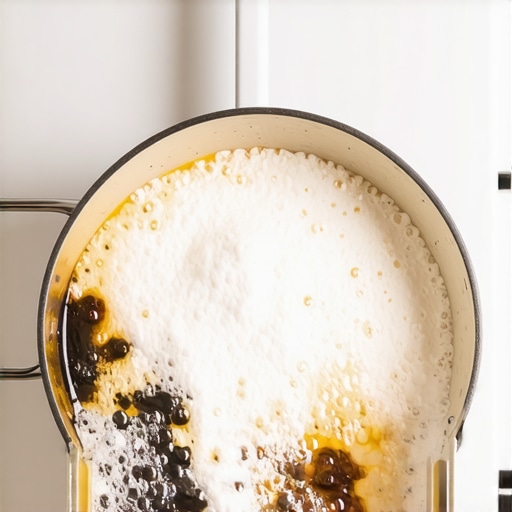
The black crust at the bottom of your pot is a polymer of carbonized sugars and proteins. This bond is tenacious. However, it is also vulnerable to pH shifts. When we use a saturated sodium bicarbonate solution and heat, we are initiating a mild alkaline hydrolysis. This process breaks the cross-linked chains of the burnt food without reaching the temperature thresholds that would cause the enamel to craze. You want to avoid the common mistake of using vinegar and baking soda together; they neutralize each other into useless salt water. Use the alkaline power of baking soda alone to lift the debris. This is a technical truth: acidity is for mineral deposits, but alkalinity is for organic carbon.
Consider the the hidden benefit of heavy bottom stock pots when managing heat during this cleaning phase. You want even thermal distribution to keep the solution active at the boundary layer where the burn meets the glass. Fill the vessel with two inches of water. Add two tablespoons of high-purity baking soda. Bring it to a simmer. Use a wooden spatula to gently nudge the softened mass. The result? Total decarbonization without a single scratch on the vitrified surface.
Why Abrasive Methods Fail the Long-Term Asset Test
Mechanical scrubbing creates a cycle of diminishing returns. Every time you use a green scouring pad, you create microscopic fissures in the glass. Food particles then lodge deeper into these canyons during the next sear. Eventually, the pot becomes impossible to clean. This is how a $400 piece of cookware becomes a liability. I have stood in professional kitchens where line cooks were banned from touching the cast iron with anything harder than a cloth. We protect the glaze because the glaze protects the heat retention and the flavor profile. If you have already caused minor damage, you may need to learn how to restore the finish on your enameled dutch oven to prevent further degradation.
For extreme cases involving burnt fats that have undergone polymerization, you need a stronger base. A specialized cleaner or even a paste of dishwasher detergent—which is highly alkaline—left overnight will do the work while you sleep. I recall a client who burnt a thick blackberry reduction into a limited-edition pot. The smell of charred fruit was nauseating. They were ready to toss it. We applied the overnight alkaline soak, and the entire charred disk floated off in one piece the next morning. No scrubbing. No sweat. Just science.
Operational Risks of Thermal Shock
The greatest risk during cleaning is not the burnt food; it is your own sink. Taking a pot that was just simmering on the stove and plunging it into cold tap water is a death sentence for enamel. The steel or cast iron core expands and contracts at a different rate than the glass coating. This differential is called the coefficient of thermal expansion. If the gap between these movements is too wide, the enamel will pop—a process known as shivering. This is an irreparable failure. Always let the vessel reach room temperature before the liquid phase of cleaning begins. Even if the lid is stuck, you must be patient. You might find how to fix a stuck enameled lid that wont budge useful if the sugars have acted as a glue during the cooling process.
The Executive Strategy for Kitchen Maintenance
Where is the luxury kitchen market going? We see a shift toward high-performance materials that require less maintenance but higher technical knowledge. In the next 12 months, the industry will focus more on PFAS-free alternatives, making traditional enamel even more valuable as a proven, safe technology. My recommendation is a ‘Buy and Protect’ strategy. Invest in the real difference between french ovens and dutch ovens by buying high-quality pieces, then treat them with the respect their engineering demands. If you are in a situation where the pot is black, do not reach for the steel wool. Reach for the baking soda. Hold your position. Let the chemistry work. The market for vintage, well-kept enamel is rising; don’t destroy your resale or heirloom value for the sake of five minutes of scrubbing.
Frequently Asked Questions
Can I use bleach on my enameled pot?
Avoid it. While it whitens the surface, prolonged exposure to bleach can dull the finish and weaken the glass-to-metal bond. Stick to alkaline soaks for organic stains.
Is it safe to put enameled cookware in the dishwasher?
Technically, many brands claim it is safe, but the harsh detergents and the vibration against other dishes will eventually matte the finish. Hand washing with the soak method is the only way to preserve the mirror-like shine for decades.
What if the baking soda doesn’t work?
Upgrade to a specialized enzymatic cleaner or a light application of Bar Keepers Friend (the liquid version, not the abrasive powder). These are designed to break molecular bonds without mechanical damage.
Can I use a metal spoon to scrape the bottom?
Never. Metal-on-glass leaves gray streaks called ‘metal transfer.’ While these aren’t scratches, they are difficult to remove and make the pot look aged. Use silicone or wood only.