
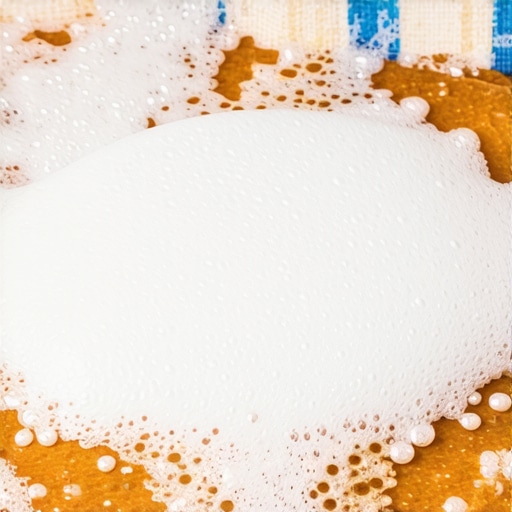
Why You Should Never Use Soap on Your Pizza Stone
Using dish soap on a pizza stone is an act of culinary sabotage. It is not a suggestion or a preference; it is a fundamental violation of material science. After fifteen years of designing and outfitting the most sophisticated residential kitchens, I have seen more premium cordierite stones ruined by well-intentioned cleaning than by actual use. The logic is simple: a pizza stone is not a plate. It is a breathing, porous mineral matrix designed to manage moisture and store thermal energy. When you introduce surfactants like dish detergent, you are not cleaning the surface. You are poisoning the stone. The result? A permanent chemical taint that will ruin every loaf of sourdough or margherita pizza you attempt to bake from that day forward.
The stakes are high for any enthusiast of luxury kitchen environments. These stones are often the centerpiece of a high-heat baking setup, working in tandem with calibrated smart ovens to mimic the conditions of a Neapolitan wood-fired hearth. Introducing soap into this ecosystem creates a volatile situation. Unlike premium cookware made of tri-ply stainless steel or enameled cast iron, which relies on a non-porous finish, a pizza stone thrives on its porosity. Soap molecules are engineered to be aggressive. They find their way into the microscopic fissures of the stone and refuse to leave. They wait for the next preheat. When the stone hits 500 degrees, those molecules break down and release acrid, soapy fumes directly into your crust. It is a chemical failure that cannot be undone.
The Engineering Reality of Cordierite Porosity
To understand why soap is so destructive, we have to look at the mineralogy. Most high-end stones are made of cordierite, a magnesium aluminum silicate known for its incredible thermal shock resistance. This material is full of tiny pores—capillaries that pull moisture out of the dough during the first few seconds of contact. This is what creates that shatteringly crisp bottom crust. However, these same capillaries are incredibly efficient at absorbing liquids via capillary action. If you submerge a stone in soapy water, the surfactant-laden liquid is pulled deep into the core of the material. Even after the surface looks dry, the interior remains saturated with chemicals. This isn’t like cleaning espresso machines where a backflush with specialized powder is designed to be rinsed away; once it is in the stone, it is there for good.
Consider the physics of heat distribution. A pizza stone acts as a thermal battery. In a professional-grade kitchen, we rely on this thermal mass to maintain consistency when the oven door is opened and closed. Soap disrupts the surface tension within the pores. Over time, repeated exposure to moisture and chemicals can lead to internal structural fatigue. You might not see it today, but the stone is becoming brittle. The weight of the stone, usually a sign of its quality, becomes a liability as it holds onto chemical residues that refuse to evaporate. It is a slow-motion degradation of a tool meant to last a lifetime.
The Thermal Shock Hazard and Material Fatigue
There is a specific sensory experience to a ruined stone: the smell of burnt suds. It’s an chemical odor that cuts through the aroma of fermenting dough and melting mozzarella. In my years of consulting on kitchen workflows, I’ve walked into homes where the homeowner complained of a ‘funky’ taste in their bread. The culprit was almost always a stone that had been scrubbed ‘clean.’ Beyond the taste, there is the risk of catastrophic failure. Water trapped deep inside the stone can turn to steam during a rapid preheat. If that steam cannot escape because the surface pores are clogged with grease and soap residue, the internal pressure can cause the stone to crack or even explode. This is the same principle that causes air fryers or stand mixers to fail when pushed beyond their mechanical limits; the material is forced to do something it wasn’t designed for.
The messy reality of the industry is that people treat stone like they treat their stainless steel sinks. They want everything to be shiny and sterile. But a great pizza stone should look seasoned, dark, and perhaps a bit ‘ugly.’ That dark patina is actually a layer of carbonized oils that creates a natural non-stick surface. It is a badge of honor for a serious baker. By trying to scrub it away with soap, you are essentially resetting the stone to its least effective state while simultaneously compromising its safety.
Market Corrections and the Future of Home Baking
Looking at the next 12 to 24 months, we are seeing a massive shift toward ultra-high-heat residential baking. As technology from commercial kitchens migrates to the home, we are seeing ovens that can reach 700 to 900 degrees. In these environments, the integrity of your baking surface is paramount. Regulatory bodies like the American Ceramic Society and NSF International have long maintained standards for food-contact ceramics, emphasizing that porous materials must be handled differently than non-porous ones. As we move toward more ‘smart’ integration in the luxury kitchen, I expect to see more specialized cleaning protocols that bypass traditional detergents entirely.
The executive verdict is clear: Sell the idea that ‘clean’ means sterile. Buy the idea that ‘clean’ means seasoned. If you find yourself with a dirty stone, the only tools you need are a stiff brush and a plastic scraper. For the truly stubborn bits, a ‘burn-off’ cycle—running the stone at your oven’s highest temperature for an hour—will carbonize any organic material, turning it into harmless ash that can be brushed away. This is the only way to preserve the engineering of the stone and the flavor of your food.
Frequently Asked Questions
What if I already used soap on my stone once?
If the exposure was brief, you might be able to save it. Soak the stone in plain, hot water for several hours to try and leach out the soap, then let it air dry for at least 48 hours before slowly reheating it. However, if the soapy taste persists, the stone is effectively a decorative item now.
How do I get rid of the black stains?
Don’t. Those stains are seasoning. They indicate that the stone is becoming more non-stick. If you have raised bumps of burnt food, use a bench scraper to level them out, but ignore the discoloration.
Can I use vinegar to clean it?
No. Vinegar is an acid and can react with certain minerals in the stone, potentially weakening the structure. Stick to plain water and mechanical scraping.
Is it okay to put a pizza stone in the dishwasher?
Absolutely not. The combination of high-pressure water, intense heat, and aggressive detergents is a guaranteed way to destroy a stone in a single cycle.