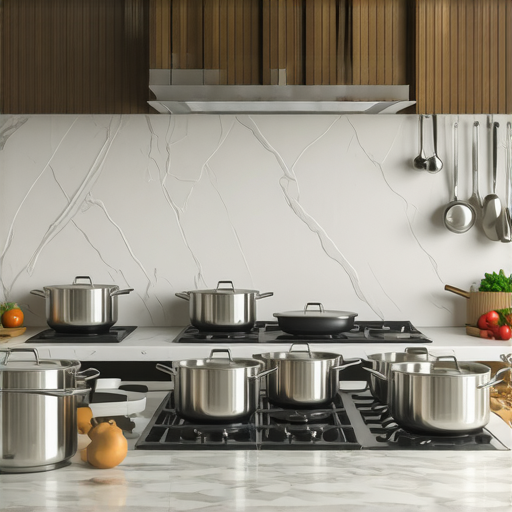
I remember the frustrating mornings when I’d stand over my stove, stirring my favorite sauce, only to realize that my usual cookware was unevenly heating, leaving parts burnt while others remained raw. It was a lightbulb moment—maybe, just maybe, my cookware wasn’t up to the task. That realization led me down a rabbit hole into the world of high-end materials, and I discovered something surprising: in 2026, a few carefully selected five-ply copper sets actually deliver consistent, even heat distribution, transforming my cooking experience.
How to Kill the Cold Spots in Your Kitchen Cooking
Is Better Copper Worth the Hefty Price Tag?
Early on, I made a costly mistake—thinking all copper cookware was a luxury gimmick. That was until I scoured reviews and tested different brands myself. Turns out, not all copper sets are created equal. Some use thin layers or cheaper alloys that don’t distribute heat properly. Only the elite multi-ply copper sets, especially those with five layers, have the technical finesse to prevent hotspots and provide reliable, even cooking. Want to learn more about how these sets outperform conventional options? Check out this guide on premium cookware innovations for 2024.
Select the Right Materials for Consistency
Start by choosing cookware with layered materials that ensure uniform heat. Five-ply copper sets are ideal, combining copper with stainless steel and aluminum to optimize thermal conductivity. When I upgraded to a premium five-ply copper set, I immediately noticed smoother cooking and fewer burnt spots. This review details top copper options for 2026.
Master the Proper Heating Technique
Preheat Gradually and Equally
Always preheat your cookware on low to medium heat, allowing the material to distribute heat evenly before increasing temperature. I once made the mistake of cranking up my stove right after placing the pot on high heat, leading to hot spots. Now, I let my pans warm slowly, resulting in more consistent results. Think of this like warming up a runner before a race—gradual activation prevents uneven performance. Explore more about premium cookware for 2024 trends.
Use the Correct Burner Size
Matching your burner size to your cookware’s base ensures even heat. Using a small pan on a large, powerful burner causes uneven distribution, similar to pouring too much water into a small glass. I learned this during a kitchen experiment when I switched to burners that perfectly fit my pans, which made a noticeable difference in cooking consistency. See top-rated burners for luxury kitchens.
Implement Layered Construction Techniques
For the most reliable results, opt for cookware with multi-layered construction—each layer serves a purpose. Copper cores provide quick response to temperature changes, while stainless steel layers offer durability. I installed my copper-bottom pans and noticed my sauces simmered perfectly, with no hot or cold spots. Think of layered cookware like a well-engineered sandwich—each ingredient supports the other for peak performance. Check out 2026’s top multi-ply sets.
Maintain Consistent Cooking Temperatures
Use tools like oven thermometers or smart induction cooktops to keep temperature steady. I started using an induction stove with precise control, which was like having a personal chef monitoring heat levels. This approach prevents abrupt temperature fluctuations that can cause hot spots. In my experience, micro-adjustments in heat now yield perfectly cooked meals every time. Learn about premium induction cooktops for the modern kitchen.
Leverage Proper Maintenance for Longevity
Regularly polishing copper surfaces and inspecting layers maintains optimal heat transfer. I use a copper-specific cleaner, which restores gleam and ensures metal contact remains even. A clean and well-maintained pan distributes heat more reliably, cutting down on annoying hot spots. Think of it like keeping your car’s engine tuned—regular care keeps performance smooth. For guidance, see this guide on maintaining high-end cookware.
Many home chefs believe that investing in high-end appliances guarantees perfect results, but the truth is more nuanced. For example, with stand mixers, some assume that more powerful motors always outperform lighter models. However, in my experience, the quality of internal gears and construction matters more for consistent mixing, especially when handling heavy dough. Choosing a mixer with a robust build can prevent stalls or overheating, which is often overlooked. When it comes to air fryers, many think that bigger baskets are always better. Yet, oversized units can lead to uneven airflow and less crispy results, especially if they don’t have advanced convection mechanisms. As this review highlights, smaller, well-designed air fryers often produce crispier, more evenly cooked foods.
A frequent myth about luxury kitchen setups is that the most expensive appliances are the most functional. While high cost often correlates with durability and advanced features, it doesn’t automatically translate to better cooking outcomes if the appliance isn’t suited to your habits. For instance, when selecting espresso machines, some assume that multi-boiler, high-pressure models always yield superior coffee. In reality, the barista’s skill, grind quality, and maintenance are equally crucial. Expert advice confirms that even mid-range, well-maintained machines can produce café-quality espresso.
Let’s consider the advanced nuances that often trip up enthusiasts. One common mistake with premium cookware is relying solely on material quality without understanding layering techniques. Many overlook that multi-ply constructions, with copper cores, optimize heat response but require proper preheating and maintenance to perform at their best. Failing to preheat properly can lead to hot spots, despite having top-tier cookware. This guide details how layering and maintenance are key to unlocking your cookware’s potential.
An advanced tip worth noting is that smart appliances with micro-adjustment controls, like induction cooktops, can significantly improve cooking precision. Many users underestimate the importance of micro-tuning temperatures during delicate tasks like tempering chocolate or simmering sauces. This level of control can prevent scorching or undercooking, a subtlety often ignored by casual users. According to research from culinary experts, micro-adjustments lead to more consistent culinary results, especially with high-end setups. Don’t assume that just setting the heat to ‘medium’ suffices—fine-tuning makes all the difference.
Have you ever fallen into this trap of oversimplification? Let me know in the comments. Mastering these nuances can elevate your kitchen from good to extraordinary, turning everyday cooking into an art form.
Investing in Reliable Tools for Long-Term Performance
High-end kitchen appliances like espresso machines and stand mixers require more than just initial investment; they demand the right tools and methods to keep them performing optimally over the years. For instance, I personally swear by using a dedicated precision cleaning brush for espresso machine group heads. This simple tool prevents buildup and ensures consistent extraction, directly affecting flavor quality. Similarly, I recommend investing in a high-quality magnetic stainless steel thermometer to monitor and maintain precise temperatures during cooking, which is crucial for maintaining the lifespan and performance of your cookware set.
How do I maintain my specialty appliances over time?
Regular maintenance is key. For air fryers, especially glass-door models, cleaning the grease filters monthly and wiping down the interior with a damp cloth prevents residue buildup that can impair airflow and crisping efficiency. When it comes to premium cookware, applying a thin layer of mineral oil on cast iron or copper surfaces periodically minimizes oxidation and maintains heat conduction. For espresso machines, descaling every three months using a manufacturer-approved descaling solution keeps internal components free from mineral deposits, preserving pump longevity and coffee flavor. According to this expert review, consistent upkeep not only prolongs appliance life but also ensures optimal performance for a decade or more.
Tools That Make Scaling Up Easier
As your collection of luxury kitchen gear grows, managing multiple appliances becomes challenging. I highly recommend a smart kitchen assistant app that consolidates maintenance reminders, user manuals, and troubleshooting tips in one place. It’s like having a personal culinary concierge. Pair this with quality replacement parts like robust gear for stand mixers, such as high-torque attachments, to ensure your equipment runs smoothly even when tackling dense doughs or heavy mixtures.
Future Trends in Kitchen Tool Maintenance
Looking ahead, I believe the integration of IoT-enabled sensors within appliances will revolutionize maintenance routines. Imagine your espresso machine alerting you when lime scale begins to build up or your air fryer signaling when a filter needs replacing—these proactive features could significantly extend appliance lifespan. Already, some high-end models incorporate basic diagnostics, but adopting fully connected devices will be the norm by 2028, simplifying long-term care and scaling for busy gourmet kitchens.
Make Maintenance a Habit and See Long-Term Rewards
Don’t wait for breakdowns to act. Implementing scheduled cleaning, routine inspections, and using dedicated tools like those mentioned can save you thousands in repairs or replacements over the years. For example, daily wipe-downs of your premium cookware and weekly descaling of your espresso machine preserve both performance and resale value. Remember, smart maintenance isn’t just about caring for your gear; it’s about elevating your entire culinary experience. Start today by setting a weekly reminder to clean your most used appliances—your future self will thank you.
The Hardest Lesson I Learned About Premium Kitchen Tools
One of my biggest realizations was that investing in high-end appliances isn’t a magic bullet for culinary perfection; it’s about understanding their nuances. For example, I once believed that the most expensive espresso machine would automatically produce cafe-quality coffee. But I quickly learned that factors like grind size, tamping pressure, and machine maintenance played a far bigger role — a lightbulb moment that improved my barista skills more than upgrading equipment.
Revealing Hidden Gems in Kitchen Equipment
It’s easy to overlook lesser-known tools that make a big difference—like a precision cleaning brush for your espresso machine or a magnetic thermometer for consistent oven temperatures. Trusted sources like this premium cookware guide helped me discover some of these game-changers, saving time and hassle while elevating my results.
Don’t Let Assumptions Hold You Back
Many of us fall into the trap of equating price with performance, especially with luxury kitchen setups. I used to think that bigger appliances meant better results, but smaller, well-designed units often outperform larger counterparts—like a compact air fryer that crisps better than bulky models. Investing time in learning what truly makes an appliance effective can prevent costly mistakes and boost your confidence in the kitchen.