
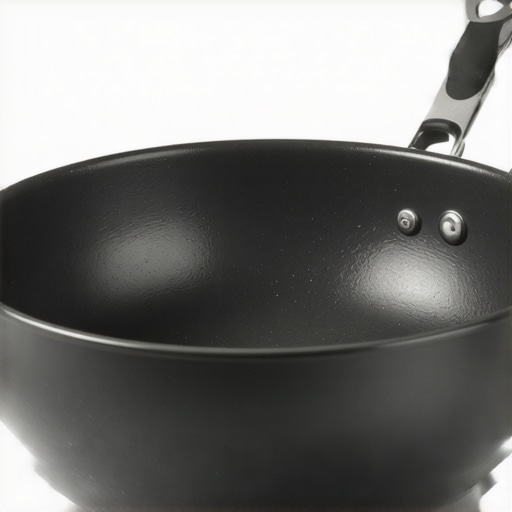
How to Season Your Carbon Steel Pan for a Mirror Finish
Most home cooks treat carbon steel like a fragile non-stick coating or a heavy cast-iron relic. Both approaches lead to failure. After twenty years in the high-end culinary hardware industry, I have seen thousands of dollars of professional-grade steel ruined by poor maintenance. Carbon steel is not a consumer-grade disposable; it is a live surface that requires molecular bonding. If you want that slick, black, mirror-like finish found in Michelin-rated kitchens, you must abandon the standard advice of ‘just wipe some oil on it.’ The goal is polymerization—the chemical transformation of liquid lipids into a hard, plastic-like solid. Getting this wrong means sticky pans, uneven heat, and wasted investment in premium cookware. The stakes are simple: a pan that lasts a lifetime or one that ends up in the trash within a year.
The Science of Thermal Blueing
Before any oil touches the surface, you must address the steel itself. Raw carbon steel is a silver, reactive metal. The technical truth most guides miss? You need to ‘blue’ the pan first. Heat the dry pan over a high-output burner until the metal shifts from silver to yellow, then brown, and finally a deep, iridescent blue. This is a controlled oxidation process. This oxide layer creates a microscopic texture that allows the seasoning to anchor deeply into the metal. The pan needs to reach roughly 550°F for this to occur. The smell of hot metal, the shimmering heat waves, the sudden color shift—these are the sensory markers of a prepared surface. Without this step, your seasoning layer will eventually flake, a common issue documented by culinary equipment experts at organizations like the American Chemical Society regarding lipid adhesion. Compare this to the difference between carbon steel and cast iron skillets; carbon steel is far more responsive but also more demanding of this initial bond.
The Lipid Selection Matrix
Not all fats are created equal. Many people reach for flaxseed oil because of its high omega-3 content, but in the industrial kitchen, we call that a mistake. Flaxseed oil dries hard but brittle. It flakes off like old paint when exposed to the high heat of a luxury kitchen range. You need an oil with a high smoke point and a specific fatty acid profile. Grapeseed oil or sunflower oil is the standard. These oils offer the right balance of saturated and unsaturated fats to create a resilient polymer. Avoid olive oil or butter; their solids burn long before polymerization occurs. This choice is as essential as selecting the right copper cookware for sauces—the material must match the thermal demand. Apply the oil. Then, and this is the vital part, wipe it all off. Every bit. You want a layer only a few molecules thick. If the pan looks wet, you have too much oil. The result of excess? A gummy, sticky mess that requires a full strip.
Executing the Flash Point Cycle
Place the pan back on the heat. Once it begins to smoke, let it continue for 30 seconds. The air will grow heavy with the scent of toasted oil. Watch the color darken. Remove from heat and let it cool naturally. Do not quench it in water. Repeat this cycle five to seven times. The pan will transition from blue to light brown, and finally to a deep, dark mahogany. This iterative approach builds a resilient patina that can withstand the high-velocity searing required for professional results. If you notice a loose handle on your professional saute pan during this high-heat process, address it immediately; the thermal expansion can exacerbate structural flaws. The goal is a surface that mimics the properties of a stand mixer bowl’s smoothness but with the heat retention of heavy bottom stock pots.
Market Shifts and Professional Standards
We are seeing a massive shift in the luxury residential market. High-net-worth clients are abandoning PTFE-based non-stick coatings in favor of professional-grade carbon steel. This is driven by both health concerns and a desire for ‘forever tools.’ In the next 12 to 24 months, expect to see more espresso machines and air fryers incorporating similar industrial finishes into their heating elements and baskets for better durability. Regulatory pressure on ‘forever chemicals’ is making traditional non-stick pans a liability for manufacturers. Carbon steel, when seasoned with this mirror finish, offers a natural, sustainable alternative that actually improves with age, unlike the degrading performance of ceramic coatings. It is a long-term economic play for the serious home chef.
The Executive Verdict
If you are serious about your culinary craft, buy raw carbon steel. Do not buy the ‘pre-seasoned’ versions sold in big-box stores; the factory coatings are often inferior and uneven. Spend the 90 minutes required to perform the blueing and the five-layer polymerization yourself. If your pan feels sticky, you used too much oil—strip it with salt and oil and start over. If it looks gray, it needs more heat. The strategy is simple: thin layers, high heat, and patience. Own the process, and you will own a tool that outperforms any luxury non-stick pan on the market.
Technical FAQ
Why is my carbon steel pan turning brown instead of black? Brown is just the beginning. Black is the accumulation of multiple layers of brown patina. Keep cooking, and the color will deepen. Can I use soap on my seasoned pan? Yes, modern dish soaps do not contain lye. A quick wash won’t hurt the polymer, but avoid soaking the pan or putting it in the dishwasher. What should I do if my seasoning flakes off? Flaking is usually caused by using flaxseed oil or applying layers that are too thick. Scrub the area with steel wool and re-apply a thin layer of oil using the heat cycle method mentioned above. Is carbon steel better than cast iron? It is lighter and more responsive to temperature changes, making it superior for sautéing and delicate proteins, whereas cast iron is better for high-mass searing.