![6 Pressure-Profile Espresso Machines That Fix Bitter Coffee [2026]](https://luxurykitchenpicks.com/wp-content/uploads/2026/02/6-Pressure-Profile-Espresso-Machines-That-Fix-Bitter-Coffee-2026.jpeg)
It’s 7 a.m., I’m already running late, and I make my first shot of espresso, only to be greeted by that harsh, bitter tang that ruins my entire morning. Frustration washes over me—what’s going wrong? I’ve spent years experimenting with different beans, grind sizes, and tamping techniques, but that stubborn bitterness kept creeping in. Then, it hit me—my machine’s pressure profile might be the culprit.
Why Your Espresso Might Taste Bitter and How Pressure Profiles Can Help
If you’ve ever faced the dreaded bitter shot, you’re not alone. For many home baristas and coffee enthusiasts, this is a common stumbling block. The root cause often lies in the pressure applied during extraction. Traditional espresso machines operate at a fixed pressure, typically 9 bars, but the reality is that coffee extraction is more nuanced than that. The way pressure rises, peaks, and falls during a shot can dramatically influence flavor.
That’s where the game-changing concept of pressure profiling comes in. By customizing the pressure throughout the extraction process, newer pressure-profile espresso machines allow you to dial in the perfect shot—minimizing bitterness and enhancing the coffee’s rich complexity. This isn’t just about fancy bells and whistles; it’s about taking control of your brew and truly making it shine.
Is Pressure Profiling Overhyped or a Real Game Changer?
Early on, I made a crucial mistake—assuming that more pressure was always better. Turns out, this oversight led to over-extraction and that undesirable bitterness. Once I understood the importance of managing the pressure curve, I started experimenting, and the results were astonishing. Coffee tasted smoother, more vibrant, and with less of that bitter aftertaste that used to ruin my mornings.
According to research from the Specialty Coffee Association, controlling the extraction process more precisely can significantly improve flavor profiles, especially in home brewing scenarios. This revelation changed my entire approach and made me realize that investing in a machine capable of pressure profiling is a smart move for anyone serious about coffee.
Are you tired of fighting with bitter shots? Do you wish your morning coffee could taste as good as what you get at specialty cafes? If so, then keep reading. Up next, I’ll guide you through the practical steps to choosing and using one of these innovative machines to elevate your brewing game.
Set Your Equipment Right from the Start
Begin by choosing an espresso machine that offers precise pressure control—look for models equipped with programmable pressure profiling features. For example, explore options at luxury espresso machine guides to find equipment that matches your skill level.
Calibrate and Document Your Pressure Curve
Before brewing, calibrate your machine to ensure it delivers consistent pressure. Use a pressure gauge to monitor during a test shot and record the pressure profile—note how pressure rises, peaks, and falls over the extraction time. I did this when I first experimented with the classic ‘pree-press’ technique, and it revealed subtle pressure dips that caused bitterness. Documenting these patterns helps refine your process.
Adjust Pressure During Extraction
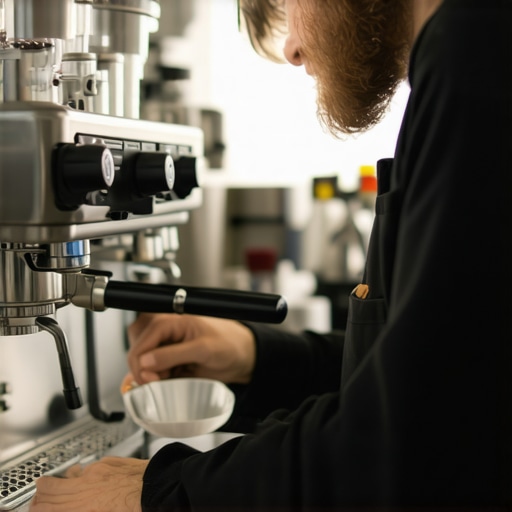
Use your machine’s programmable features to modify pressure in real-time. For instance, start with a low pressure to gently saturate the grounds, then increase to a peak pressure—around 9 bars—during the main extraction phase, then decrease again toward the end. Think of it like tuning a guitar string—you want just the right tension for harmonious sound, or in this case, flavor. I once set a gradual pressure increase, resulting in a shot with balanced acidity and sweetness, devoid of bitter notes.
Implement a Steady Rhythm and Timing
Consistency matters. Use a timer to match your pressure profile with precise extraction duration—usually 25-30 seconds for a standard shot. The rhythm of applying pressure, much like stirring in a high-end stand mixer, affects the final product’s texture and flavor. I recall my first attempt with a preset profile; initially messy, but as I perfected timing and pressure knobs, the shot’s complexity soared.
Monitor and Refine Based on Tasting
Taste the results of each adjustment critically. Look for sweetness, acidity, body, and bitterness. Use these cues to tweak pressure at specific points—perhaps reducing pressure during the initial phase if sourness dominates, or increasing it if the shot tastes flat. This iterative process is akin to upgrading your cookware or appliances—the more you tweak and understand, the better your results become. Regularly revisiting your pressure curves ensures your shots consistently improve, elevating your home barista skills.
 When it comes to outfitting a luxury kitchen or investing in high-end appliances, many assume that price and brand loyalty are the main factors for success. However, seasoned chefs and home gourmets know there’s a deeper nuance often overlooked—what truly elevates your culinary experience is understanding the subtle mechanics and material science behind these tools.
Do Premium Brands Start Off Better or Is It a Myth?
Contrary to popular belief, premium brands don’t always guarantee superior performance from the outset. Many aficionados have fallen into the trap of believing that a hefty price tag equals better results. In reality, the real advantage lies in the specific features and craftsmanship—like the quality of bearings in stand mixers or the precision of temperature control in espresso machines. Studies show that meticulous attention to component details leads to durability and consistent performance, which standard brands often neglect.
A common misconception is that more horsepower or wattage in appliances directly correlates with better outcomes. But in luxury kitchen trends for 2024, savvy cooks prioritize control and finesse over raw power. High-torque stand mixers, for example, are engineered with specialized transmissions that prevent stall and enable smooth operation even under heavy dough loads—something you can verify by testing the gear mechanisms and motor quality.
Beware the Hidden Cost of Buying for Show
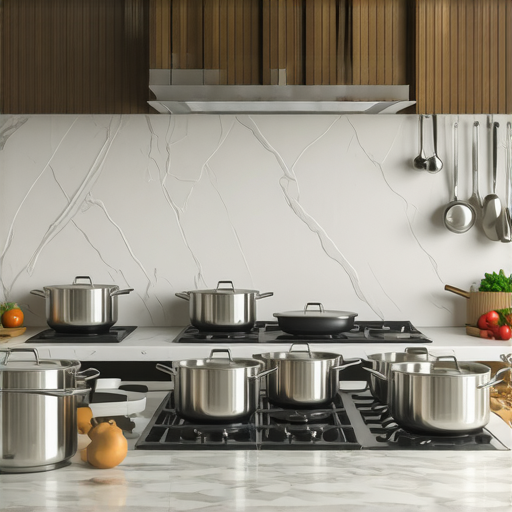
Many home chefs select equipment based on aesthetics alone, thinking that a shiny, stylish exterior will compensate for internal flaws. This is a costly mistake. Durable materials like titanium-reinforced cookware or non-toxic, PTFE-free air fryers don’t just look good—they guarantee safety, longevity, and better cooking results. For instance, pro-grade ceramic cookware features a layered construction that ensures even heat distribution and prevents warping, unlike cheaper imitations.
Consider the technical intricacies in espresso machine design: dual boilers with independent temperature controls avoid the common pitfall of inconsistent extraction. An advanced machine with plumbed-in water supply maintains constant pressure and temperature, leading to richer crema and more reliable brewing—an insight supported by research from luxury appliances experts. Don’t be fooled into thinking that a sleek interface compensates for poor internal engineering. Actionable tip: scrutinize the internal thermodynamics and build quality before making a high-end purchase.
Uncovering the Advanced Level: How Do Material Choices Impact Performance?
For the advanced enthusiast, the hidden nuance lies in the materials used. Copper cores in cookware facilitate rapid heat transfer, reducing hot spots that cause uneven cooking—an issue rampant with aluminum-only sets. Similarly, a top-tier espresso machine employs stainless steel or titanium boilers instead of cheaper alternatives, improving thermal stability and longevity. Examining the microstructure of these materials reveals their impact: titanium’s strength-to-weight ratio enhances durability without adding bulk, critical for professional-grade appliances that undergo frequent use. Recognizing these subtleties allows you to select equipment that doesn’t just look premium but performs consistently over time. Have you ever fallen into this trap? Let me know in the comments.
How Do I Maintain My Kitchen Tools Over Time? Experience and Precision Matter
Investing in high-end equipment like premium cookware sets or pro-grade ceramic cookware is just the beginning. To keep these tools performing at their peak, regular maintenance is essential. I personally rely on routine cleaning after each use—using gentle scrubbers and non-abrasive cleaners—to preserve the integrity of titanium-reinforced pots and stainless steel surfaces. Additionally, periodic deep cleans with specialized descaling solutions prevent mineral buildup in espresso machines, ensuring consistent water temperature and shot quality. For electric kitchen gadgets like air fryers, I suggest checking the manufacturer’s cleaning instructions diligently—removing and cleaning trays, and wiping down the interior to prevent oil and food residue from affecting performance. Always use manufacturer-approved cleaning products; for example, some experts recommend using distilled water in espresso machines to prevent lime scale, which is supported by technical guides from air fryer maintenance resources. Keep an eye on wear parts like seals and gaskets, replacing them when signs of cracking or wear appear. This proactive approach extends the lifespan of your premium appliances and maintains their resale value. Additionally, investing in a high-torque stand mixer with robust gears ensures it can handle tough dough over years of use without stalling. Regular calibration and lubrication, following the manufacturer’s guidelines, prevent mechanical issues before they develop. Future trends suggest that smart maintenance systems, like IoT-enabled sensors, will become standard, alerting us when components need servicing—making maintenance more intuitive and less time-consuming. To get ahead of the curve, I recommend trying the advanced step of setting a weekly maintenance schedule that includes checking seals, descaling your espresso machine, and inspecting your cookware for warping or damage. This disciplined routine guarantees your costly investments continue delivering culinary perfection, day after day. Proper maintenance might seem tedious at first, but the payoff in durability and performance is well worth the effort. Keep your kitchen functioning flawlessly by adopting a meticulous care routine, and you’ll enjoy consistently excellent results in your culinary endeavors.
What I Wish I Knew Before Investing in Luxury Kitchen Tools
One of the most valuable lessons I learned was that premium quality isn’t just about price—it’s about understanding the craft behind the equipment. For example, I once believed that a high wattage in an espresso machine meant better coffee, but I discovered that precise temperature control and internal materials matter far more. This realization saved me from costly mistakes and helped me select gear that truly elevates my daily routine.
Another insight was that maintenance routines are the unsung heroes of longevity. Regularly cleaning and calibrating my tools, like my high-torque stand mixer or ceramic cookware, kept performance consistent and prevented premature wear. Investing time in proper upkeep not only extended their lifespan but also enhanced the final results of my cooking and brewing endeavors.
I’ve also found that understanding materials—whether titanium in appliances or copper in cookware—can make all the difference. Recognizing microstructure differences allowed me to choose tools that withstand heavy use and maintain thermal stability, giving me confidence in my kitchen craftsmanship.
Lastly, I learned to listen to my taste buds and adjust pressure profiles or temperatures accordingly. Personal experimentation with pressure profiling on my espresso machine transformed my morning ritual from hit-or-miss to consistently delightful. Embracing these subtle adjustments turned everyday tasks into artful experiences.
Tools and Resources That Changed My Approach
My go-to source for understanding premium kitchen gear is the luxury kitchen guide for 2024. It offers detailed insights into machinery craftsmanship and material choices that have helped me make informed decisions. For honing my barista skills, the best espresso machine reviews provided technical breakdowns, empowering me to pick equipment aligned with my brewing goals.
When it comes to maintenance, I trust the tutorials on pro-grade ceramic cookware care and descaling procedures for espresso machines—both helped me sustain performance and safety. Lastly, continuous learning from dedicated blogs and forums connected me with a community of enthusiasts who share real-world experiences, preventing me from falling prey to marketing hype.
Push Your Boundaries in Your Gourmet Kitchen
Embarking on the journey to upgrade your kitchen with tools like pressure-profile espresso machines or titanium-constructed cookware opens a world of culinary and coffee excellence. Remember, the path is personal—your tailored adjustments, maintenance routines, and material choices define your success. Don’t wait for the perfect moment; start experimenting and refining today. Your upgraded kitchen awaits—ready to transform daily routines into moments of joy and mastery.
What’s the most surprising lesson you’ve learned in elevating your kitchen game? Share your experiences below and let’s inspire each other to build a better culinary future.
,
Reading this post really opened my eyes to how much pressure profiling can change the game in making consistently great espresso. I used to think that sticking to a set pressure was enough, but after experimenting with a machine that allows pressure adjustments throughout the shot, I noticed a real difference—smoother flavor, less bitterness, and a more nuanced cup overall. It’s fascinating how managing the pressure curve can impact everything from acidity to body. I’d love to hear more about how others calibrate their machines—do you record your pressure profiles or tweak on the fly? I think small adjustments like starting with lower pressure and gradually increasing can really bring out the best in different beans. For anyone seriously into home brewing, investing in a pressure-profile machine might seem daunting, but the payoff in flavor is so worth it. Have you found any particular profiles that work best with specific bean types? Would be great to hear some tips or experiences from this community.