
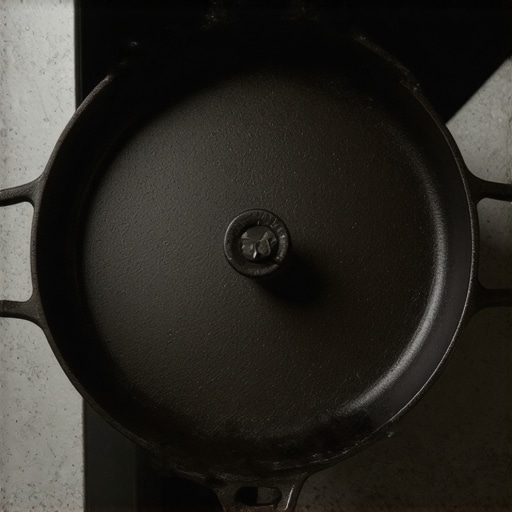
The Reason Your Dutch Oven Lid Is Not Sitting Flush
A Dutch oven lid that refuses to sit flush is more than a minor cosmetic flaw; it is a structural failure in a high-precision tool designed for moisture retention and thermal stability. After managing luxury kitchen hardware and premium cookware accounts for nearly two decades, I have seen every manufacturing shortcut in the book. A gap in your lid is a thermal leak. It ruins the self-basting environment necessary for a perfect braise. The physics of the kitchen is unforgiving. If the vapor escapes, the internal pressure drops. The result? Dry meat and burnt fond.
The Engineering Reality of Cast Iron Warping
When we analyze why a lid doesn’t seat correctly, we must look at the cooling phase of the foundry process. Cast iron is poured at temperatures exceeding 2,200 degrees Fahrenheit. If the mold is removed too quickly or the cooling environment isn’t strictly controlled, the metal undergoes uneven thermal contraction. This is a common issue with lower-tier brands, though it occasionally haunts top-tier French manufacturers. A deviation of even two millimeters can create a significant ‘rock’ when the lid is placed on the pot. This isn’t just about the lid; sometimes it is the rim of the pot itself that has lost its planar integrity. While why 5-ply copper core pans outperform traditional aluminum in terms of rapid response, the high thermal mass of cast iron is its strength—unless that mass is distributed unevenly. The metallurgical stress of the enameling process, where the pot is reheated to bond the glass-like coating, can also introduce new warps if the tension between the iron and the enamel isn’t perfectly balanced.
The Mechanics of the Vacuum Seal
A true premium Dutch oven relies on a precision-ground rim. High-end brands like Le Creuset or Staub often leave a thin strip of cast iron exposed or use a specific matte enamel on the contact points to ensure a tighter fit. If you notice your lid is unstable, it could be due to enamel ‘pooling.’ This happens when the liquid enamel coating accumulates in one spot during the firing process, creating a microscopic bump. It is a defect. You can test this by rotating the lid 360 degrees. If the lid sits flush in one position but rocks in another, you have a manufacturing variance. This is different from the physics involved in the reason your lid keeps rattling when you boil water, which is usually a matter of steam pressure, not structural warping.
Operational Risks and Material Limitations
Ignoring a wobbly lid leads to second-order effects in your cooking. In a high-end luxury kitchen, equipment is expected to perform with industrial reliability. If your lid isn’t flush, your moisture loss increases by up to 20% over a three-hour cook time. I once saw a $500 short rib braise ruined because the chef assumed the weight of the iron would compensate for a three-millimeter gap. It didn’t. The smell of scorched sugar filled the room—a scent no high-end ventilation system can scrub fast enough. Furthermore, storing these heavy vessels improperly can lead to micro-chips on the rim, further compromising the seal. Understanding the best way to organize heavy Dutch ovens in a low cabinet is vital for maintaining the structural integrity of the flange. Unlike the standardized components found in why clad stainless steel is better than disk bottoms, cast iron is organic and temperamental.
Market Corrections and Consumer Strategy
The premium cookware market is currently seeing a shift toward automated CNC finishing to solve these ‘human’ foundry errors. Over the next 12 to 24 months, expect to see more brands touting ‘precision-milled edges’ as a primary selling point, similar to how air fryers, stand mixers, and espresso machines have moved toward digital calibration. If you are currently facing a lid that doesn’t sit flush, perform the ‘Paper Test.’ Slide a piece of parchment paper between the lid and the pot. If it slides out with zero resistance at certain points, the pot is out of tolerance. My executive verdict: if the rock is more than 1.5mm, return it. Premium prices demand premium tolerances. Do not settle for ‘good enough’ when you are paying for an heirloom. According to the Cookware Manufacturers Association, a high-quality lid should provide a ‘sufficiently restrictive seal’ to maintain internal humidity without becoming a pressure vessel. For those investing in a full luxury kitchen suite, ensure your cookware meets the same ASTM International standards as your industrial-grade ranges.
High-Performance Kitchen FAQ
Can I fix a warped lid myself?
No. Sanding down enameled cast iron will destroy the protective coating and lead to rust. If the iron is raw, professional machining is an option, but the cost usually exceeds the value of the pot.
Is a small gap normal for all brands?
A microscopic gap is common, as these are not hermetically sealed. However, the lid should not ‘clack’ or rock when pressed on the edges.
Does heat make the gap worse?
Yes. Due to the coefficient of thermal expansion, a small cold gap can expand as the metal reaches cooking temperatures, potentially increasing the rate of steam escape.
Will a heavy weight on top of the lid help?
It can mitigate the issue, but it does not fix the underlying structural warp. It is a temporary fix for a permanent manufacturing flaw.