
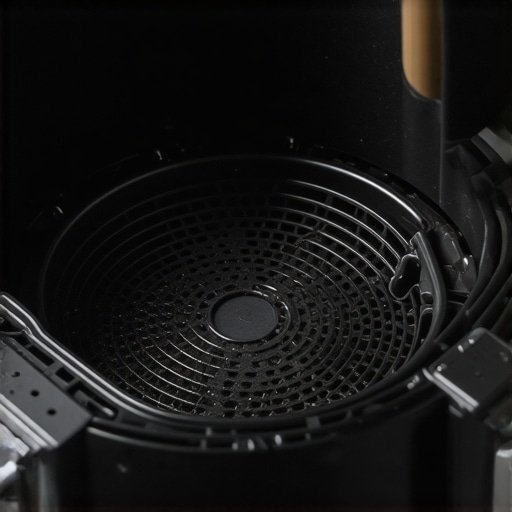
Why Your Air Fryer Basket Coating Peels and How to Stop It
Your premium kitchen equipment isn’t failing by accident. It is failing by physics. After fifteen years in the high-end appliance sector, I have diagnosed thousands of units where the non-stick surface resembles a dry lakebed more than a cooking tool. The stake is clear: once that coating flakes, your expensive machine becomes a chemical delivery system for your food. Most owners think they bought a lemon. The reality is often a mismatch between industrial design limits and household habits. The bond between a PTFE-based or ceramic coating and the underlying aluminum basket is a fragile alliance of disparate materials. When that bond breaks, the value of your machine hits zero instantly.
The Engineering Reality of Thermal Expansion
The core issue is a technical phenomenon known as the coefficient of thermal expansion mismatch. Air fryers operate via high-velocity convection. This creates localized heat spikes. The aluminum basket expands rapidly. The non-stick coating does not expand at the same rate. This creates shear stress at the microscopic level. Every time you preheat that basket to 400 degrees, you are essentially trying to rip the coating off the metal. If the manufacturing process had even a minor flaw in the etching phase, the coating loses its grip. This is why the reason your air fryer basket coating is peeling off is often rooted in the first fifty heat cycles of the machine’s life. Standard consumer-grade models use thin-gauge metals that warp under load, further stressing the chemical bond.
[IMAGE_PLACEHOLDER]
The Lethal Combination of Lecithin and High Heat
Many owners exacerbate this by using aerosol cooking sprays. This is a technical error. Most canned sprays contain soy lecithin. Under high heat, lecithin undergoes a polymerization process that turns it into a gummy, insoluble plastic. It glues itself to the non-stick pores. When you try to clean that residue, you inevitably take some of the coating with it. It is a slow, abrasive death for the basket. Instead of standard sprays, you should understand why you should never use olive oil for high heat air frying in these environments, as the low smoke point contributes to carbonization. Carbonized oil is effectively sandpaper. The result? Avoidable failure.
Physical Stress and the Micro-Scratch Trap
The sensory reality of a failing basket is unmistakable. You hear the scrape of the metal tongs. You see the grey flakes in your salmon. These micro-scratches are the entry points for moisture. Once water gets beneath the non-stick layer during the cleaning cycle, it causes sub-surface oxidation of the aluminum. This oxidation pushes the coating outward from the inside. It is a cancer for kitchenware. Even ‘dishwasher safe’ labels are often marketing fluff. The caustic nature of dishwasher detergents—specifically the high pH levels—eats away at the primers used to secure the non-stick layer. If you care about longevity, hand-washing is the only path. This is especially true if you followed the advice to never buy an air fryer with a plastic interior, as metal-on-metal heat retention is even more intense.
Market Corrections and Regulatory Shifts
We are currently seeing a massive shift in how these products are built. Regulatory bodies like the EPA and European REACH are tightening the screws on PFAS chemicals. Over the next 18 months, expect a surge in ‘forever chemical’ bans that will force manufacturers to switch to inferior sol-gel ceramics or superior stainless steel. The ceramic options often look better but have a much shorter half-life in terms of non-stick performance. They are brittle. One drop in the sink and the coating can shatter at a molecular level. Professional-grade units are moving toward bare stainless steel baskets, which require more skill to use but offer infinite durability. This avoids the risk of how to stop your air fryer from setting off the smoke alarm due to burning coating particles.
The Executive Verdict
If your basket is currently peeling, stop using it. There is no ‘fix’ for a failed polymer bond. My recommendation: if you are a heavy user, transition to an air fryer with a stainless steel rack or a high-quality glass interior. If you stick with non-stick, never exceed 380 degrees, skip the dishwasher, and use a high-smoke-point oil like avocado oil applied with a brush, not a spray. The ROI of your kitchen depends on respecting the material limits of the tools you buy. Don’t let a $5 can of spray ruin a $300 investment. It is an expensive mistake that the industry expects you to make. Don’t.
Frequently Asked Questions
Is it safe to use an air fryer if the coating is peeling?
No. Once the coating is compromised, the exposed aluminum can leach into food, and the PTFE flakes can be ingested. While PTFE is generally inert at low temperatures, the primers used underneath it often contain chemicals you do not want in your diet.
Can I repaint or recoat my air fryer basket?
Absolutely not. Food-grade non-stick coatings require industrial-level curing processes and specialized equipment. Home ‘repairs’ will likely result in toxic fumes and a high risk of fire.
What is the best way to clean a non-stick basket without damaging it?
Soak the basket in warm water with a pH-neutral dish soap for 20 minutes. Use a soft silicone brush or a microfiber cloth. Avoid the ‘green’ side of sponges, as they contain abrasive minerals that create micro-scratches.
How long should a non-stick air fryer basket last?
With daily use and proper care, a high-quality PTFE basket should last 2 to 3 years. If you use metal utensils or the dishwasher, expect a lifespan of less than 6 months.