
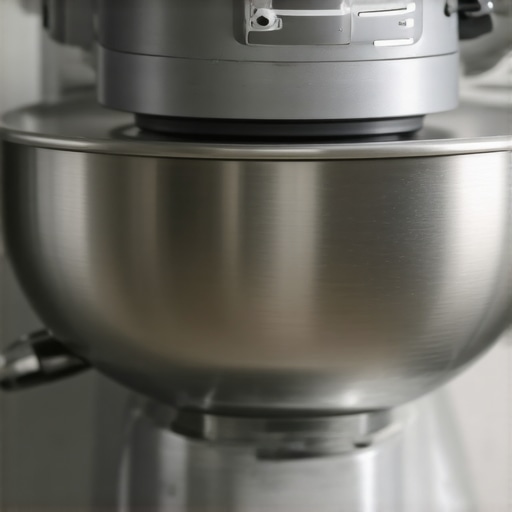
The Reason Your Stand Mixer Bowl Keeps Getting Stuck on the Base
A stand mixer bowl fused to its base is not a manufacturing quirk. It is a mechanical failure. Most owners blame a design flaw, but after fifteen years of diagnosing high-end kitchen hardware, I can tell you the culprit is usually physics—specifically, the interaction between high torque and vibration. When you are processing heavy dough, the downward force combined with the clockwise rotation of the motor acts like an impact wrench. It tightens the bowl into the locking plate far beyond the manual pressure used to install it. The result? Avoidable failure. This issue often surfaces when the stand mixer motor struggles with low hydration bread dough, forcing the entire chassis to absorb the kinetic energy that should be going into the flour. If you do not understand the mechanical lock-in, you will likely snap the handle or strip the gear train trying to force it loose. It is an expensive mistake born from a lack of technical oversight.
The Mechanics of Frictional Galling
Metal-on-metal contact under high pressure creates a phenomenon known as galling. In the world of premium cookware and luxury kitchen appliances, we see this often when stainless steel bowls interface with zinc-plated bases. As the mixer vibrates, microscopic amounts of metal transfer between the surfaces. This increases friction until the two components practically cold-weld together. Add a layer of dried flour or sugar—common if you don’t know the best way to clean your stand mixer bowl—and you have created a biological adhesive that rivals industrial epoxy. The thermal expansion of the base during a long mixing cycle further compounds the problem. The motor generates heat, the base expands, the bowl tightens, and once it cools, the tolerances disappear. Engineering standards from organizations like the American Society of Mechanical Engineers suggest that precise lubrication is the only way to mitigate such high-friction interfaces in rotating machinery.
The Messy Reality of Maintenance Failure
I have seen local clients bring in machines where they used a pipe wrench on a polished stainless bowl. The sight is brutal. The smell of scorched grease and the sound of a grinding tilt-head are the first warnings. Often, a stuck bowl is a secondary symptom of a machine that needs internal calibration. You might have noticed that fixing the annoying squeak in your stand mixer was a priority months ago, but you ignored it. That squeak was the sound of a misaligned planetary gear pushing the bowl off-center, driving one side of the locking tab deeper into the base. I remember a specific case in a high-volume bakery where the operator used a rubber mallet daily. They eventually cracked the motor housing. It was a three-thousand-dollar lesson in thermal dynamics. The moisture from the kitchen air gets trapped in the base threads, causing a micro-corrosion layer that effectively locks the bowl in place like a rusted lug nut on an old truck.
Future Hardware Trends for 2025
The industry is shifting. We are seeing a move away from the traditional screw-in base in favor of bayonet-style mounts with silicone dampeners. This change is driven by the rise of prosumer espresso machines and high-torque mixers that demand better vibration management. According to reports from the Intertek Testing Services, mechanical fatigue in kitchen appliances is the leading cause of warranty claims. In the next 24 months, expect to see smart sensors that alert you when a bowl is over-tightened. For now, the local market remains saturated with older, threaded designs that require a human touch to maintain. We are moving toward a period where the ‘dumb’ components of our luxury kitchens—the bowls, the handles, the lids—will need the same level of technical respect as the digital control boards.
The Executive Verdict
If your bowl is stuck, stop pulling. Apply a warm, damp towel to the base for ten minutes to induce thermal expansion, then use a drop of food-grade mineral oil at the seam. For future prevention, never ‘snap’ the bowl into place; a light touch is sufficient. If you are running a high-output kitchen, buy a mixer with a bowl-lift design rather than a tilt-head to eliminate the threaded base problem entirely. This is a strategic play for durability over aesthetics.
Industry FAQ
Can I use WD-40 to loosen the bowl? No. Never use industrial lubricants on food-contact surfaces. Stick to food-grade mineral oil or a hair dryer for heat.
Why does my bowl only get stuck during bread making? High-torque applications create more vibration, which drives the bowl deeper into the locking threads through centrifugal force.
Is a bowl-lift mixer better than a tilt-head? For heavy doughs, yes. The mechanical locking system is far more robust and less prone to seizing.
How often should I lubricate the base? Every three months, apply a tiny amount of vegetable oil to the threads to prevent galling.