
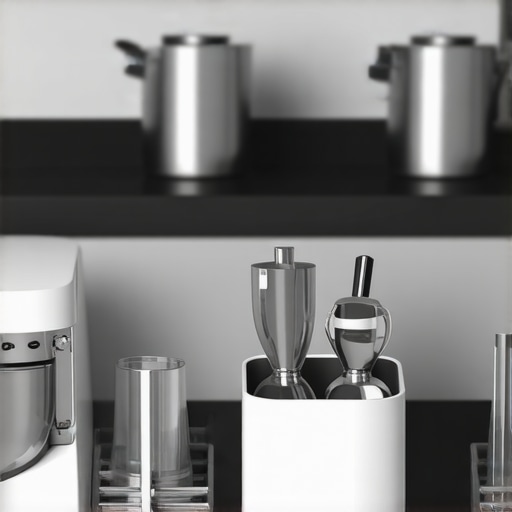
The Best Way to Store Your Stand Mixer Attachments for Easy Access
Tossing your dough hook or flat beater into a dark, overcrowded drawer is more than a clutter issue. It is a mechanical failure waiting to happen. After fifteen years in the high-end kitchen appliance industry, I have seen thousands of dollars worth of premium equipment degraded not by heavy usage, but by poor storage habits. The reality is simple. Most homeowners treat their stand mixers as the centerpiece but treat the attachments as afterthoughts. This neglect leads to chipped ceramic coatings, bent shanks, and a workflow that grinds to a halt exactly when precision is needed. If you want your stand mixers to perform like the industrial-grade machines they are, you must adopt a storage strategy that respects their engineering.
The Mechanical Risk of Internal Bowl Storage
The most common mistake? Storing every attachment inside the mixing bowl itself. It seems logical. It saves space. It keeps everything together. However, this is a technical nightmare. When metal attachments rest against a stainless steel or glass bowl, vibration from the surrounding kitchen—or simply the act of moving the machine—causes micro-abrasions. These scratches are not just cosmetic. In the world of why your stand mixer bowl is chipping, these tiny impact points are the primary catalyst. Furthermore, the weight of a professional-grade dough hook can actually compromise the finish of the bowl over time, leading to sanitation risks where bacteria hide in the grooves. You are running a luxury kitchen, not a discount cafeteria. The attachments deserve a dedicated environment that prevents metal-on-metal contact.
Vertical Real Estate and Accessibility
The smartest move for any serious baker is the transition to vertical storage. Utilizing the underside of upper cabinets or a dedicated wall section transforms the workflow. Specially designed mounting brackets that mimic the bayonet mount of the mixer head are the gold standard here. By hanging the attachments, you ensure that the delicate mounting points are never under lateral pressure. This mimics the natural orientation of the tool. When you are juggling the complexities of organizing your baking cabinet for better workflow, being able to reach out and grab a whisk without digging through a pile of air fryers or premium cookware is a necessity. It reduces the physical strain on the user and the mechanical strain on the tools. The result? Total efficiency.
The Engineering Reality of Tool Protection
Consider the metallurgy of your attachments. Many high-end beaters are made of coated cast aluminum. While strong, the coating is brittle. A single drop into a drawer can cause a hairline fracture. Once that coating is breached, the oxidation of the aluminum begins. If you have ever noticed a gray residue on your buttercreams, you are looking at the result of storage-induced damage. Professional kitchens utilize pegboards or customized foam inserts. These aren’t just for show. They prevent the ‘clank’ of metal that signifies a loss of structural integrity. When you invest in luxury kitchen upgrades, you must invest in the preservation of those assets. This is why many prosumers are now integrating magnetic strips, though I warn against this for heavier dough hooks as the magnetic pull can, over decades, subtly affect the alignment of the attachment shank if not centered correctly. Stick to mechanical mounts. They are foolproof.
Thermal and Environmental Factors
Where you store these items matters as much as how. Keeping your attachments near a heat source—like a range or certain high-output espresso machines—can cause thermal expansion issues. While minor, it affects the ease with which the attachment slides onto the planetary shaft. I have serviced dozens of units where the owner complained that the stand mixer tilt head moves too much, only to find that the attachment was slightly warped from being stored in a high-heat zone, creating an unbalanced load during operation. Proper storage means a cool, dry environment. This is especially true for the wire whisk, where the tension of the wires is calibrated for specific resistance. Storing it under a stack of heavy pans will ruin that calibration in a single season.
Strategic Foresight for Modern Layouts
The industry is moving toward ‘appliance garages’ that feature pull-out trays. This is a step in the right direction, but only if the tray is lined with a non-slip, food-grade silicone mat. According to the National Kitchen & Bath Association, ergonomic access is the top priority for 2025 renovations. We are seeing a shift away from deep, cavernous cabinets and toward modular, visible storage. The goal is to see every tool without moving another tool. If you are planning a renovation, ensure your designer understands that stand mixers require at least 18 inches of vertical clearance and a dedicated zone for the ancillary tools. This isn’t just about aesthetics; it is about protecting the motor. A mixer that is hard to access is a mixer that is used less, leading to grease separation in the gear housing over time. Use it or lose it, but store it right or break it.
The Executive Verdict
My recommendation is clear. If you have the wall space, install a dedicated attachment rack. If you prefer a hidden look, use specialized pull-out organizers with individual pegs for each beater. Avoid ‘the drawer’ at all costs. An organized station is the hallmark of a master. For those using heavy-duty machines for low-hydration doughs, the stability of your storage reflects the stability of your output. Stop treating your precision instruments like scrap metal. Put them on display or put them in a dedicated slot. Your machine will sound better, your food will be cleaner, and your kitchen will finally function the way it was designed to. Start by auditing your current cabinet; if you hear metal hitting metal when you open it, you are failing the equipment.
Frequently Asked Questions
Can I store my attachments in the refrigerator? No. Cold temperatures can cause the metal to contract, making it difficult to attach to the mixer head. It also risks condensation and rust in the attachment hub.
Are magnetic racks safe for all attachments? They are safe for stainless steel, but many premium attachments are coated aluminum, which is not magnetic. Always check the material before buying a magnetic solution.
How often should I clean my storage area? Every three months. Flour dust is a magnet for pests and can find its way into the attachment mounting holes, creating a sticky paste that interferes with the bayonet lock.
Is it okay to store attachments in an air fryer basket? Absolutely not. The coatings on air fryer baskets are easily scratched by the sharp edges of a dough hook, leading to peeling and safety issues.