
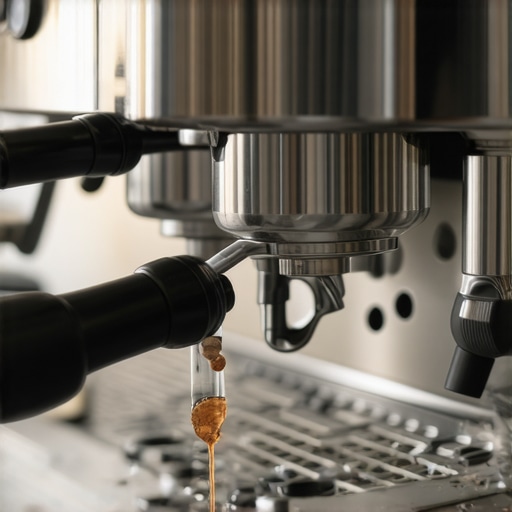
How to Stop Your Espresso Machine From Dripping After the Shot
A post-shot drip is not a minor annoyance; it is a diagnostic signal of hydraulic failure or thermal imbalance. In my fifteen years of tearing down E61 group heads and dual-boiler beasts, I have learned that a machine that continues to weep into the drip tray long after the pump stops is bleeding pressure where it should be sealed. This leakage ruins the workflow. It creates a mess. More importantly, it often points to a compromised three-way solenoid valve or a failing expansion valve that could lead to a total system shutdown if ignored. The stakes are high for anyone invested in a high-end home cafe. A failing seal today is a flooded kitchen tomorrow.
Understanding the internal mechanics of pressure relief is the first step toward a dry drip tray. Most prosumer machines utilize a three-way solenoid valve. When you finish your shot, this valve opens a path from the group head to the discharge tube, instantly depressurizing the coffee puck. If the machine continues to drip, the valve seat is likely fouled by a stray coffee ground or a microscopic shard of limescale. This prevents a complete seal. The result? Persistent gravity-fed leakage. To maintain peak performance, you must understand how to diagnose a clogged solenoid valve in your espresso machine before the part requires a full replacement. We see this often in areas with high mineral content in the water. The scale builds up on the plunger, creating a permanent gap.
The Engineering Reality
Thermal expansion also plays a role. In high-mass group heads, residual heat causes the water remaining in the path to expand and push past the seals. This is particularly prevalent in machines lacking a dedicated vacuum breaker or those with poorly calibrated PIDs. The pressure must go somewhere. If your machine is constantly bleeding water, check your boiler temperature settings. High heat leads to high pressure. It is a simple physical law. You might find that the difference between E61 and saturated group heads impacts how these thermal fluctuations manifest. Saturated groups tend to be more stable, but they are not immune to the physics of expanding liquids. If you hear a faint hissing accompanying the drip, you are likely dealing with a steam leak through the group, which indicates a degraded group gasket or a worn internal cam.
The Messy Reality of Hard Water
Theory is clean, but the inside of a neglected machine is filthy. I remember a client in the local hills whose $3,000 machine was reduced to a sputtering, dripping mess within six months. The culprit? Total dissolved solids (TDS) levels that would make a geologist blush. The smell of hot, stagnant water hitting a dirty drip tray is unmistakable. When scale accumulates on the discharge side of the solenoid, the valve cannot close. It stays perpetually cracked. The drip becomes a stream. You must commit to a rigorous maintenance schedule. Knowing how to properly descale a high-end dual-boiler espresso machine is non-negotiable for longevity. Without it, the hydrostatic pressure within the boiler will eventually find the weakest point, which is usually your expensive group head assembly.
Market Corrections and Future Tech
The industry is moving toward more resilient valve materials. Over the next 12 to 24 months, expect to see a shift toward synthetic ruby seals and more robust stainless steel housings that resist the pitting caused by aggressive descaling chemicals. Regulatory changes regarding lead-free brass are also forcing manufacturers to redesign internal pathways. This means older machines will become harder to service as parts inventories shift. If your current setup is weeping, the time to address it is now. We are also seeing the rise of smart sensors that detect flow rates in the discharge line. This provides an early warning system for owners, but it adds another layer of electronic complexity that can fail. For now, the mechanical solution remains the most reliable.
The Executive Verdict
If your machine is dripping, do not wait for it to fix itself. Start with a chemical backflush using a high-quality detergent to clear any organic debris from the solenoid. If the drip persists, you must inspect the valve plunger for scale. In most cases, a thorough cleaning solves 90% of the issues. If the machine is over five years old, replace the solenoid entirely. It is a $60 part that protects a $2,000 investment. If you are noticing other performance issues, such as thin crema, investigate why your espresso is watery and lacks crema, as these symptoms often overlap with hydraulic leaks. Stop the drip. Protect the machine. Brew better coffee.
Frequently Asked Questions
Is a small drip after the shot normal?
A few drops immediately after the shot are normal as the three-way valve exhausts pressure. However, persistent dripping for minutes afterward indicates a leak.
Will descaling fix a dripping group head?
It can, but only if the cause is mineral buildup on the valve seat. If the rubber seal is physically damaged or indented, only a replacement will work.
How often should I backflush with chemicals?
For home use, a chemical backflush every 30 to 50 shots is standard. This prevents the buildup of coffee oils that can jam the solenoid valve.