
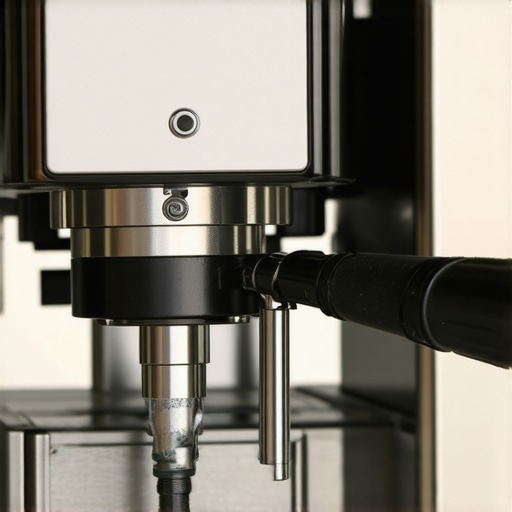
How to Diagnose a Clogged Solenoid Valve in Your Espresso Machine
A dead solenoid valve turns a five-thousand-dollar Italian-engineered masterpiece into a very heavy, very expensive paperweight. I have spent fifteen years behind the service bench, and if there is one technical truth I have learned, it is this: the solenoid is the most overworked and underappreciated component in the entire luxury kitchen. This electromagnetic gatekeeper handles every ounce of pressure and every drop of water. When it fails, your morning ritual dies with it. The stakes are simple. Misdiagnosing this part leads to unnecessary pump replacements or, worse, a catastrophic pressure back-surge that cracks your heat exchanger.
The Physics of Pressure Diversion
To fix the machine, you must respect the engineering. In a standard three-way solenoid setup, the valve serves two masters. During the brew cycle, the electromagnetic coil pulls a plunger, allowing pressurized water to hit the coffee puck. Once you stop the shot, the coil de-energizes. The plunger snaps back, sealing the inlet and opening a path to the drip tray. This is the discharge phase. It relieves the hydrostatic pressure instantly. Without this relief, the portafilter remains under pressure, leading to the dreaded ‘portafilter sneeze’ where coffee grounds explode across your backsplash. Most issues arise when calcium carbonate or coffee ‘fines’ lodge themselves in the tiny orifice of the valve body. This is a common byproduct of water hardness quietly destroying your espresso flavor over months of use.
The Audible Diagnostic Check
Put your ear near the machine. Engage the brew switch. Do you hear a sharp, metallic ‘clack’? That is the sound of the plunger moving. If you hear the pump vibrate but no click occurs, the coil is likely burnt out or the plunger is physically seized by scale. The smell of scorched electrical insulation is a dead giveaway of a failed coil. However, if you hear the click but no water exits the group head, you are dealing with a physical blockage. This is where many owners panic and start tearing apart the boiler. Stop. The problem is usually a piece of scale no larger than a grain of salt. It sits right in the intake port. It mocks your high-end setup. Proper descaling without damaging seals is your first line of defense, but sometimes the blockage is too stubborn for chemicals alone.
The Operational Risk of Improper Backflushing
I have seen it a hundred times. A client uses too much detergent during a backflush cycle. The thick, caustic foam doesn’t fully dissolve. It enters the solenoid and dries. It creates a sticky resin that prevents the plunger from seating. The result? A constant drip from the group head. If your espresso machine is leaking water from the group head, the solenoid is likely stuck in a semi-open state. You can feel the heat radiating from the valve body—it will be blistering to the touch if the coil is struggling to move a stuck plunger. This is the point of no return for the electrical components. This isn’t just about coffee quality; it is about preventing an electrical short in your luxury kitchen environment. According to standards set by the Specialty Coffee Association (SCA), consistent water flow is the baseline for any quality extraction, and a compromised solenoid makes this impossible.
The Strategic Repair Framework
Replacing the entire valve is the easy way out. It is also the expensive way. A Technical Purist knows that the valve body is often fine; it is the internals that fail. You can disassemble the valve with a 14mm wrench and a bit of patience. Inspect the rubber o-rings. Look for pitting on the stainless steel plunger. If the plunger is scarred, it will never seal. Replace it. If the orifice is clogged, use a thin copper wire to clear it. Never use a steel needle; you will scratch the seat and create a permanent leak. This is the difference between a repair that lasts five years and one that lasts five days. Modern espresso machines are increasingly using stainless steel valves to combat the corrosion found in older brass units, a trend noted in recent appliance manufacturing reports by the Association of Home Appliance Manufacturers (AHAM).
The Strategic Forecast for Home Espresso Tech
The industry is moving toward smart solenoids with integrated pressure sensors. In the next 24 months, expect high-end machines to alert your smartphone the moment the solenoid’s response time lags by even a millisecond. This predictive maintenance will become standard in the luxury kitchen. We are seeing a shift away from simple mechanical relief toward PID-controlled flow management. This means less scale buildup but higher repair costs when the electronics eventually fail. For the owner who values longevity, the goal remains the same: keep your water soft and your backflush routine consistent.
The Executive Verdict
If your machine clicks but won’t flow, buy a replacement plunger and a set of high-temp gaskets. If there is no click and the machine is silent, buy a new solenoid coil. Do not waste money on a new pump until you have verified the valve is clear. For those with a machine older than three years in a hard-water area, simply replace the entire solenoid assembly as a preventative measure. It is a one-hundred-dollar insurance policy against a thousand-dollar headache. If you find yourself in a situation where the machine is over-pressurizing, shut it down immediately. The risk of a burst hose is real.
FAQ
Can I fix a solenoid by just descaling?
Only if the scale is mineral-based and the valve isn’t completely blocked. If water cannot pass through, the descaling solution cannot reach the blockage to dissolve it. Manual teardown is then required.
How do I know if the coil is the problem?
Use a multimeter to check for continuity across the coil terminals. If the circuit is open, the copper windings inside have melted. Replace the coil.
Why does my machine hiss after I turn it off?
That is often a solenoid valve failing to close fully. Steam is escaping back through the discharge line. It indicates a dirty valve seat or a worn plunger spring.
Is it safe to clean the solenoid myself?
If you are comfortable working with 110v or 220v electrical connections and high-pressure plumbing, yes. Always unplug the machine and ensure the boiler is depressurized before starting work.