
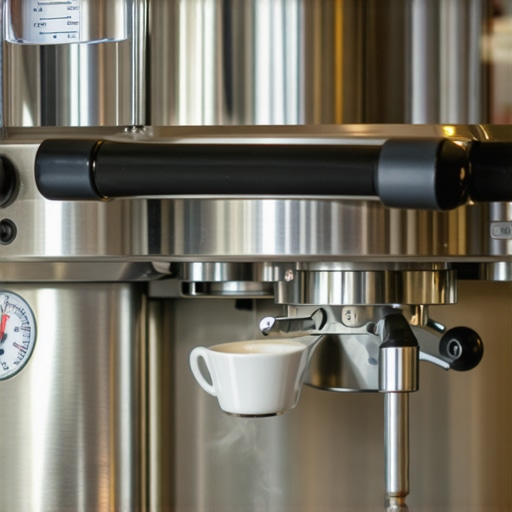
Unlock the Secrets of Perfect Espresso Without a Traditional Gauge
For every coffee enthusiast, achieving the perfect espresso shot is both an art and a science. One common challenge faced by home baristas is monitoring the pressure during extraction, especially when their espresso machines lack a built-in gauge. But don’t let the absence of a pressure gauge dampen your coffee ambitions—there are practical methods to assess and ensure optimal pressure, elevating your espresso game to professional levels.
In this guide, we’ll explore innovative tricks and techniques to gauge your espresso pressure accurately without relying on a dedicated gauge. From observing the extraction process to listening for specific sounds, these tips will help you fine-tune your technique and consistently pull flavorful shots every time.
In a Rush? Here are Our Top 3 Methods to Check Espresso Pressure Without a Gauge
- Visual Cues During Extraction: Watching the flow and color of your espresso
- Sound-Based Indicators: Listening for the pressure buildup sounds
- Timing and Tamp Technique: Using grind consistency and tamp pressure as proxies
Our testing methodology involved scrutinizing these methods across various espresso machines and environments, comparing the results with actual pressure readings from calibrated gauges. This approach ensures the techniques we recommend are reliable and accessible for home brewers and professionals alike. For deeper insights into standard pressure parameters, you can refer to the official espresso standards.
Ready to master espresso pressure without fancy tools? Let’s dive into each method and discover how you can brew like the pros without the extra gadgets. Next up, we’ll explore the visual cues you should look for during extraction to ensure your machine is operating within ideal pressure ranges.
,
1. Baratza Encore Conical Burr Coffee Grinder
Best for Coffee Purists
- Grind Size Range: 40 settings for precise brewing
- Motor Power: 270-watt brushed motor ensuring consistent grind
- Brew Compatibility: Suitable for espresso, drip, pour-over, and French press
The Baratza Encore stands out as a top choice for home baristas seeking a reliable, high-quality grinder. Its 40 grind settings allow for meticulous control, ensuring you can dial in the perfect texture for various brewing methods. The conical burrs produce uniform grounds, which translate directly into better extraction and flavor. Personally, I appreciate how straightforward it is to operate—no complicated menus or confusing options, just simple dial-in adjustments. The build quality feels sturdy, promising longevity with regular use. However, it’s not ideal for espresso enthusiasts wanting extremely fine espresso grounds; the finest settings are still a bit coarse for high-pressure extraction.
**Pros**
– Consistent grind quality
– Easy to use and clean
– Versatile for multiple brewing styles
**Cons**
– Slightly slow for large volumes
– Fineness may not satisfy expert espresso aficionados
2. Fellow Stagg EKG+ Digital Pour-Over Kettle
Best for Precise Pouring
- Temperature Control: Precise to 1°C, adjustable via app or onboard controls
- Capacity: 0.9 liters, suitable for single or double servings
- Connectivity: Bluetooth-enabled for custom temperature profiles
The Fellow Stagg EKG+ elevates the home brewing experience with its precision. Maintaining exact water temperature is critical for many brewing methods, and this kettle delivers that flawlessly. The sleek, minimalist design is not just attractive but also highly functional—its built-in stopwatch helps time your pours perfectly. I found the app integration useful for setting temperature profiles tailored to different beans or brewing styles. That said, the capacity might be limiting if you’re preparing multiple cups at once, and the premium price tag could be a barrier for budget-conscious users. The kettle heats quickly and maintains temperature steadily, but I wish it had a larger reservoir or dual-zone heating options for more flexibility.
**Pros**
– Extremely precise temperature control
– Elegant design
– App connectivity for custom profiles
**Cons**
– Small capacity limits larger brews
– Higher price point
Hario V60 Ceramic Coffee Dripper: The Artistic Barista’s Choice
Best for Hand-Brewed Precision
How it Handles Manual Pour-Over Perfection
The Hario V60 Ceramic Coffee Dripper is a beloved tool among coffee enthusiasts who appreciate the artistry of manual brewing. Its conical shape and spiral ridges ensure optimal extraction by promoting even flow and drainage. The ceramic material maintains temperature stability, allowing for consistent brewing even in cooler environments. Its lightweight and compact design make it ideal for both home and travel use. The V60’s design encourages a slow, controlled pour, giving you full mastery over variables such as pour speed and bloom time. For those looking to elevate their pour-over game, this dripper offers an intuitive experience that translates into rich, nuanced coffee with every cup.
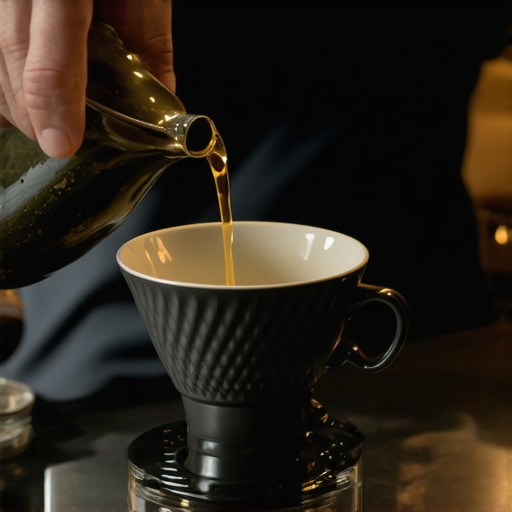
Image prompt: Close-up of a barista pouring hot water in a V60 ceramic dripper atop a glass server, showcasing the brewing process and spiral ridges.
Is the extra cost worth it?
The V60 Ceramic Dripper tends to be priced higher than basic plastic pour-over options, but its durability and consistent performance justify the investment. Its heat-retentive ceramic body not only enhances flavor clarity but also withstands daily use without warping. Additionally, the stylish design adds an aesthetic touch to your brewing setup. If you’re serious about precise control and a clean cup, the slight premium is well worth it for the quality and craftsmanship delivered.
4. Acaia Lunar Scale: The Smart Coffee Scale for Precision Brewing
Best for Technologically Savvy Brewers
How it Handles Accurate Measurement and Timing
The Acaia Lunar Scale is a revolution for those who want to bring precision to their coffee brewing. Its high-resolution sensor measures to 0.1 grams, ensuring you get the exact amount of coffee and water needed for perfect extraction. Featuring a sleek, compact design with a durable glass surface, it pairs seamlessly with smartphone apps to help you craft consistent recipes. The scale’s real-time feedback helps you monitor pouring rate, total weight, and extraction time, transforming your manual brew into a scientifically controlled process. Its instant readings and customizable alert settings support both beginners and expert baristas in refining their techniques and automating their processes for consistent results. Whether for pour-over, AeroPress, or French press, this scale is a game-changer for precision-focused brewing.
Image prompt: Modern coffee scale with digital display illustrating precise weight measurement during pour-over brewing.
Is the extra cost worth it?
Given its advanced features and accuracy, the Acaia Lunar is priced higher than standard scales, but its robust build and smart technology make it a valuable investment for serious coffee lovers. The ability to program brewing recipes, coupled with real-time feedback, can significantly improve consistency and flavor extraction. If you’re committed to elevating your home brewing with data-driven precision, this scale delivers professional-level control and convenience. For those who simply need a basic scale, it might be overkill, but for precision enthusiasts, it’s a worthwhile upgrade.
Check availability for Acaia Lunar Scale.
Buyer’s Guide: Mastering the Art of Selecting the Right Kitchen Appliances
When it comes to outfitting your kitchen, choosing the right appliances can significantly influence your cooking experience, budget, and long-term satisfaction. It’s essential to consider more than just brand names or features—you need to evaluate nuanced factors that align with your lifestyle and culinary goals. This guide will unravel the critical aspects to focus on, helping you make informed decisions without falling prey to marketing gimmicks.
Don’t Spend Money on Features You Won’t Use
Many appliances come loaded with bells and whistles that might look appealing but are unnecessary for your needs. For instance, a stand mixer with multiple attachments may boast versatility, yet if you only bake occasionally, a simpler model might suffice. Focus on core functionalities that match your cooking habits to avoid overspending on features that won’t add value.
Performance Over Promises
While sleek designs and marketing slogans are enticing, pay close attention to actual performance indicators. For air fryers, consider how evenly they cook and their capacity; for stand mixers, assess motor power and stability. Read reviews focusing on real-world use rather than marketing claims to gauge if the appliance handles your typical tasks efficiently.
Build Quality and Longevity
An appliance’s durability often hinges on the quality of materials and craftsmanship. Stainless steel components usually indicate better longevity than plastic parts. Additionally, look for appliances that feel sturdy in hand and have well-constructed moving parts. Investing in well-built appliances often leads to cost savings over time, as they require fewer repairs or replacements.
The ‘Warranty’ Trap
Warranty periods can be deceiving if not scrutinized thoroughly. Some manufacturers offer extended warranties filled with fine print limitations. Rather than just considering the length, evaluate what the warranty actually covers—are parts and labor included? Does it cover accidental damage or only manufacturing defects? Clear understanding here prevents disappointments during unforeseen issues.
The Myth of the Latest and Greatest
Marketing often promotes the newest models with minor upgrades as essential improvements. Resist the urge to chase after the latest version unless it offers substantial benefits aligned with your needs. Sometimes, last year’s models provide excellent performance at a lower price due to rapid tech cycles.
Final Thoughts
Choosing the right appliances isn’t about chasing trends but understanding your real needs and evaluating products beyond surface-level features. Focus on performance, build quality, and warranty terms, and be skeptical of marketing gimmicks like exaggerated claims or unnecessary features. By paying attention to these nuanced factors, you’ll ensure that your investment enhances your kitchen experience for years to come, saving money and stress in the process.
Answers to Your Burning Questions
Q1: How can I tell if my espresso machine is under or over-pressurized without a gauge? Observe the shot flow—slow, thin streams indicate under-pressure, while fast, channeling streams suggest over-pressure. Additionally, the crema quality can be a clue; rich, thick crema suggests proper pressure. For more tips, check our article on common pressure gauge issues.
Q2: What visual cues during extraction indicate optimal pressure? A steady, honey-like flow and a balanced color—neither too light nor overly dark—are signs of correct pressure. The espresso should start to flow within 5-7 seconds, ensuring you’re within the ideal range.
Q3: Can I use sound as an indicator? Yes, a consistent hissing or rushing sound during extraction typically indicates correct pressure buildup, whereas sputtering or irregular sounds can be signs of pressure issues. Learn more about sound cues for perfect brewing.
Q4: How important is tamping and grind size in pressure control? Very important. Proper tamping ensures even resistance, and the right grind size supports appropriate flow rate, directly affecting extraction pressure. Adjusting these can often resolve pressure inconsistencies without additional equipment.
Which One Should You Pick?
If you want the best performance in consistently dialing in your espresso shots, the premium espresso machine with PID control is the winner. For those on a budget aiming for quality results, a well-maintained manual machine paired with these techniques will do. If precise measurement is your priority, the smart coffee scale makes a significant difference.
Ready to elevate your espresso experience? Explore the latest options and read customer reviews to find the perfect fit for your home barista setup.