
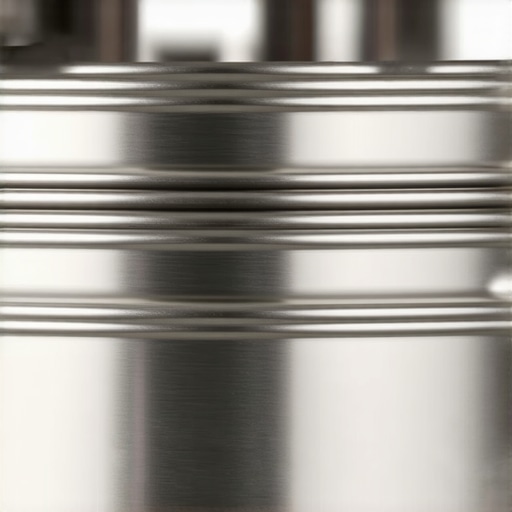
The Truth About 5-Ply Stainless Steel Longevity and Performance
Stop treating high-end cookware like a fashion statement. Most homeowners walk into a showroom and buy for the brand name, ignoring the metallurgical reality of what is actually happening on their induction burners. After 15 years in the premium kitchen industry, I have watched countless professional-grade kitchens suffer because the owner prioritized aesthetics over thermal management. 5-ply construction is not a luxury upgrade; it is a structural necessity for anyone using high-output equipment. The stake here is simple. If your pan cannot distribute heat evenly across its entire surface, you are not cooking; you are fighting your equipment. Performance varies wildly between brands, and understanding the engineering behind these layers prevents expensive mistakes.
Metallurgical Engineering in Modern Kitchens
True 5-ply construction involves a sophisticated roll-bonding process. This is not just five sheets of metal stacked together. We are talking about an austenitic 304 stainless steel exterior surrounding three internal layers of high-grade aluminum. Some manufacturers use a 3003 aluminum alloy for the core, while others opt for a more expensive copper layer. The goal? Maximum thermal conductivity paired with the heat retention of heavy-gauge steel. When you place a 5-ply pan on a high-efficiency burner, the heat moves laterally across the base and up the sidewalls simultaneously. This prevents the scorched edges and raw centers common in 3-ply or disc-bottom alternatives. If you have noticed your current set struggling, it might be that your induction cooktop hates thin-bottomed discount pans because they lack the magnetic density and mass to trigger the sensor correctly.
Thermal Mass and The Searing Reality
Heat capacity is the physical property that determines how much energy a pan can hold before it drops in temperature. When a cold protein hits a hot pan, a low-mass vessel loses its heat instantly. The result is a gray, steamed piece of meat rather than a crusty, Maillard-reaction-rich sear. 5-ply pans solve this through sheer mass. You can feel the weight of the industrial grade steel when you lift a proper skillet. This weight provides the inertia needed to maintain temperature even when the pan is crowded. We call this the thermal mass secret. It is why heavy pans actually sear better than their lightweight counterparts. In my experience, anything less than 5-ply on a high-BTU gas range will eventually warp. The internal stresses of rapid heating and cooling cycles are simply too much for thinner metals to withstand over a decade of use.
The Risk of Delamination and Thermal Shock
Quality control matters more than the number of layers. I have seen 7-ply pans from knock-off brands delaminate within six months. This happens when the bonding pressure during manufacturing is insufficient. You will hear a sharp ‘ping’ or a crackling sound when the pan is on the heat. That is the sound of metal layers separating. Once an air gap forms between those layers, the pan is useless. It creates a hot spot that will burn everything it touches. Another operational risk is thermal shock. Plunging a 450-degree 5-ply pan into a sink of cold water is a recipe for disaster. While high-grade steel is resilient, the rapid contraction can cause the core to pull away from the cladding. This is also why many high-end sets eventually fail; the non-stick coating myth suggests these pans are invincible, but the structural integrity depends on user care. If you are cleaning up after a heavy sear, learn how to remove burnt-on carbon from your premium skillets without using abrasive chemicals or thermal shock.
Market Shifts and the 2025 Outlook
The industry is moving toward higher-density materials. According to recent data from the American Iron and Steel Institute (AISI), there is a significant uptick in the use of titanium-strengthened stainless steel for the exterior layers of high-end cookware. This provides better corrosion resistance against acidic foods. In the next 12 to 24 months, expect to see more 5-ply products marketed as ‘Induction Optimized,’ featuring a higher ferritic content in the base layer. This increases the efficiency of the electromagnetic transfer. We are also seeing a regulatory shift away from chemical coatings toward physically bonded surfaces. Consumers are tired of replacing pans every two years. They want the durability of professional tools. If you are shopping today, always perform the simple magnet test every premium cookware buyer needs to perform to ensure the pan has enough magnetic steel to work efficiently on modern cooktops.
The Executive Verdict
My recommendation is clear: Buy for density and structural integrity. 5-ply stainless steel is the standard for anyone serious about culinary consistency. It offers the best ROI over a twenty-year horizon. If you are currently using 3-ply and find your sauces breaking or your steaks graying, the equipment is likely the bottleneck. Switch to a 5-ply system with a fully clad body, not just a clad base. Look for brands that offer a lifetime warranty against delamination. This is a signal that the manufacturer trusts their roll-bonding process. The strategy for 2025 is to invest in fewer, higher-quality pieces that can handle the high thermal stress of modern kitchens.
Frequently Asked Questions
Is 5-ply better than 3-ply for electric stoves? Yes. Electric coils create hot spots, and the extra layers in 5-ply help diffuse that heat more effectively than thinner 3-ply options. Can 5-ply pans go in the dishwasher? Technically yes, but I advise against it. Harsh detergents can etch the aluminum core exposed at the rim. Why is my 5-ply pan warping? Usually, this is caused by thermal shock—placing a hot pan in cold water—or using a burner that is significantly smaller than the pan base, causing uneven expansion. Does 5-ply take longer to heat up? It does, but this is a benefit. The slower heat-up time ensures more uniform distribution and greater heat retention once the target temperature is reached.