
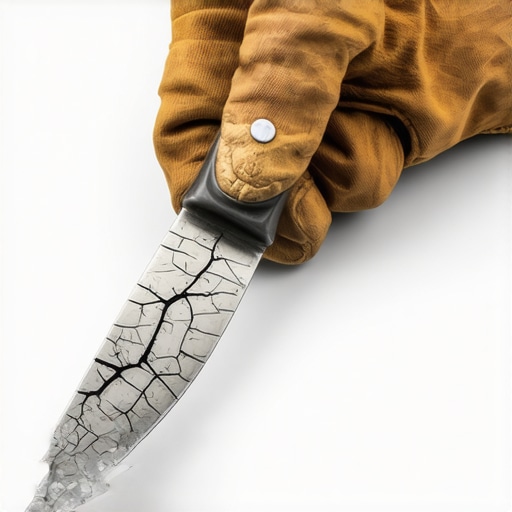
Why Your Premium Knife Handle Is Cracking and How to Save It
Owning a high-end kitchen knife is an investment in mechanical precision. After twenty years of curating luxury kitchen tools and dealing with the fallout of neglected hardware, I have seen hundreds of professional-grade blades ruined by the same preventable failure: handle degradation. The thesis here is simple. Your handle is cracking because of a fundamental mismatch between organic materials and the volatile environment of a modern kitchen. This is not a cosmetic issue. It is a structural failure that compromises the safety and balance of your most important tool. When the bond between the steel tang and the handle scales breaks, the knife becomes a liability. I have watched $600 Japanese blades lose their utility because the owner treated the wood like plastic. This neglect is expensive. It is avoidable. It requires a shift in how you view the physics of your cutlery.
The Mechanics of Hygroscopic Stress
To understand the crack, you must understand the material. Most premium knives use high-carbon steel paired with natural wood or composite scales. Wood is hygroscopic. It attracts and holds water molecules from the surrounding environment. When you submerge a knife in water, the wood fibers expand at a different rate than the steel tang. This creates internal shear stress. The rivets, designed to keep the scales tight, suddenly act as fulcrums of destruction. They do not move, but the wood around them does. The result? Avoidable failure. Much like keeping your wood cutting board from warping, maintaining handle integrity requires a constant barrier against liquid. If that barrier fails, the cell walls within the wood collapse during the drying phase. This creates the visible fissures that eventually split the handle wide open.
The Hidden Damage of Chemical Stripping
Heat is the secondary catalyst. Most home chefs think the dishwasher is a time-saver. In reality, it is a torture chamber for premium cookware. The high-heat drying cycle sucks the natural oils out of the wood faster than they can be replaced. This is why you should stop using harsh detergents on your seasoned pans and your knife handles alike. The surfactants in these soaps are designed to emulsify fats. They do not distinguish between the grease on your plate and the protective oils inside your cocobolo or walnut handle. Once those oils are gone, the wood becomes brittle. It loses its elasticity. You can feel it. The handle starts to feel ‘fuzzy’ or dry to the touch. That is the texture of a dying material. If you ignore this sensory warning, the crack is inevitable. Professional standards, such as those set by the American Bladesmith Society, emphasize that a handle must be stabilized to resist these forces, but even stabilized wood has its limits.
The Technical Truth About Stabilized Wood
Many manufacturers claim their handles are ‘stabilized.’ This process involves vacuum-injecting the wood with monomers and acrylic resins. It makes the wood nearly as dense as plastic. However, this creates a new problem. The resin is brittle. While it resists water, it does not handle impact or extreme temperature shifts well. If you drop a stabilized handle on a tile floor, it won’t dent; it will shatter. I have seen custom handles snap because they were stored too close to a high-heat oven. The resin expands and has nowhere to go. This is a common operational risk that national retailers never mention. They want you to believe stabilization is a ‘set it and forget it’ solution. It isn’t. You are still managing a composite material that requires respect for its thermal limits.
Future Trends in Cutlery Longevity
The industry is moving toward high-pressure laminates like G10 and Micarta. These materials are practically indestructible. They are used in tactical knives for a reason. However, the purist market still demands the aesthetic of natural grain. We are seeing a rise in ‘hybrid’ handles where the core is synthetic and the outer layer is a thin veneer of exotic wood. This provides the look without the hygroscopic headache. According to reports from Knife Rights, the shift toward synthetic durability is accelerating in professional environments where speed is prioritized over maintenance. In the next 24 months, expect to see more luxury kitchen brands abandoning natural wood entirely in favor of carbon fiber composites that mimic the weight and balance of traditional handles without the cracking risk.
The Executive Verdict
If your handle is already cracking, stop using it immediately. Moisture will seep into the crack, causing the steel tang to rust from the inside out. This hidden corrosion is a silent killer. For handles that are merely dry, the strategy is simple: sand the scales with 600-grit paper and apply food-grade mineral oil. Do not use olive oil; it will go rancid and smell like a rotting kitchen. For significant cracks, you need a professional re-handle. It is cheaper than buying a new blade. Over-sharpening isn’t the only risk; the knife sharpening error that is quietly eating your steel often happens when the user tries to compensate for a poorly balanced, cracked handle. Invest in the handle as much as the edge. Treat the wood with the same reverence you show the steel. That is the only way to ensure your investment lasts for decades instead of seasons.
Knife Handle Maintenance FAQ
Q: Can I use super glue to fix a small crack?
A: You can, but it is a temporary fix. Cyanoacrylate (super glue) is brittle. It won’t expand with the wood. A better option is a two-part epoxy mixed with wood dust from the same species to create a flexible, color-matched bond.
Q: How often should I oil my knife handle?
A: Once a month is the standard for a working kitchen. If the wood starts to look dull or feels light in weight, it is thirsty. Apply oil, let it sit for ten minutes, and buff it dry.
Q: Is a loose rivet dangerous?
A: Yes. A loose rivet means the handle scale can shift during a cut. This can lead to a slip that results in a serious injury. A professional can ‘peen’ the rivet back into place or replace it entirely.
Q: Why did my handle crack even though I never soaked it?
A: Ambient humidity. If you live in a very dry climate or use a dehumidifier, the wood can lose its internal moisture too quickly. This ‘shelf-cracking’ is common in desert regions and requires regular oiling even if the knife isn’t used frequently.