
Why Your Ceramic Frying Pan Loses Its Non-Stick Properties So Fast
The marketing promise of ceramic cookware is a seductive lie. After fifteen years in the luxury kitchen industry, I’ve watched thousands of home chefs discard “eco-friendly” pans within six months because the eggs started sticking. It is a recurring technical failure. The financial stake here is not just the $150 you spent on a designer skillet; it is the inefficiency of a kitchen that cannot perform. Most people treat ceramic like a generational heirloom. It isn’t. It is a consumable technical layer with a finite lifespan that is often cut short by fundamental thermodynamic misunderstandings.
The Sol-Gel Engineering Reality
Ceramic coatings are not actually ceramic in the traditional pottery sense. They are created through a process called sol-gel, where a silica-based liquid solution is converted into a solid, glass-like film. This layer is incredibly hard but lacks the flexibility of traditional PTFE coatings. When you apply high heat, the metal base of the pan expands faster than the brittle silica coating. This creates microscopic fissures. The result? Total loss of structural integrity. Unlike the mechanics of why clad stainless steel is better than disk bottoms, where the materials are bonded to move together, ceramic is an island. It sits on top, waiting to crack. When you see that dull sheen, you aren’t looking at a dirty pan. You are looking at a surface that has been thermally compromised at the molecular level.
The Carbonization Trap
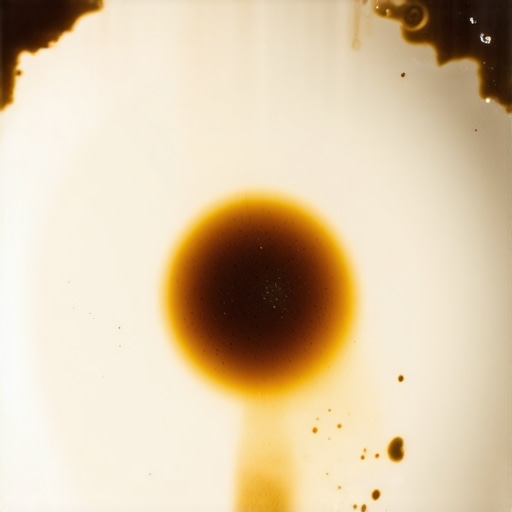
The smell of burnt butter is the first warning. Most home chefs use olive oil or butter at temperatures that exceed their smoke points. In a ceramic pan, these fats undergo polymerization, turning into a sticky, invisible varnish that fills the microscopic pores of the silica layer. This carbonization is the primary killer of non-stick performance. You can’t just scrub it off because the bond is too strong. If you try, you strip the coating itself. I once consulted for a client who had replaced five premium pans in a single year. The culprit? An induction cooktop that reached 500 degrees in seconds, instantly carbonizing the fats before the first onion hit the pan. This is exactly why your stainless steel skillet warps when cooking on high heat, and the same thermal shock destroys the brittle glass layer of ceramic. It is a mechanical mismatch.
The Mechanical Stress Test
Implementation in a high-performance kitchen requires discipline that most people lack. The sensory reality of a failing pan is unmistakable: the rough, sandpaper-like drag of a spatula across the surface. I remember a specific case where a professional chef tried to integrate ceramic into a fast-paced luxury bistro. Within a week, the dishwasher’s harsh detergents and the abrasive clatter of other utensils had micro-scratched the surface into oblivion. Ceramic is allergic to alkaline environments. High-pH dishwashing tabs strip the top layer of the silica, leaving it porous and adhesive. If you want durability, you are better off learning how to season a new carbon steel wok from scratch, where the non-stick surface is renewable rather than a one-way street toward the landfill.
Strategic Foresight for 2025
The industry is shifting toward PFAS-free coatings, which is driving the ceramic boom. However, the next 24 months will see a correction as consumers realize the longevity gap. We are seeing a move toward “hybrid” ceramics that incorporate diamond dust or titanium to bridge the thermal expansion gap. Expect tighter regulations on “forever-green” marketing claims. The second-order effect of this will be a resurgence in professional-grade materials like carbon steel and copper, which offer true longevity for the luxury kitchen owner who values performance over temporary convenience.
The Executive Verdict
Ceramic is a specialized tool, not a workhorse. If you are searing steaks or running a high-heat kitchen, sell your ceramic stock and move to clad stainless or cast iron. If you insist on ceramic for delicate tasks like omelets, keep the heat low and hand-wash only. The actionable strategy is simple: treat ceramic as a three-year investment at best. Anything more is a delusion of the marketing department. Much like the trick to keeping your air fryer basket non-stick for years, the secret is avoiding thermal shock and aggressive chemicals at all costs.
FAQ
Can I restore a ceramic pan that has lost its non-stick?
Deep cleaning with a baking soda paste can remove some carbonized oil, but if the silica layer is thermally cracked, the damage is permanent. You cannot re-apply a sol-gel coating at home.
Is high heat always the enemy?
Yes. Ceramic coatings are designed for low-to-medium heat. Exceeding 450 degrees Fahrenheit triggers the degradation of the silica bond, even if the pan doesn’t look scorched.
Why did my pan start sticking even though I never used oil?
Dry heating a ceramic pan is just as dangerous. Without the heat-absorption of food or fat, the surface temperature skyrockets instantly, causing the coating to become brittle and lose its lubricity.