
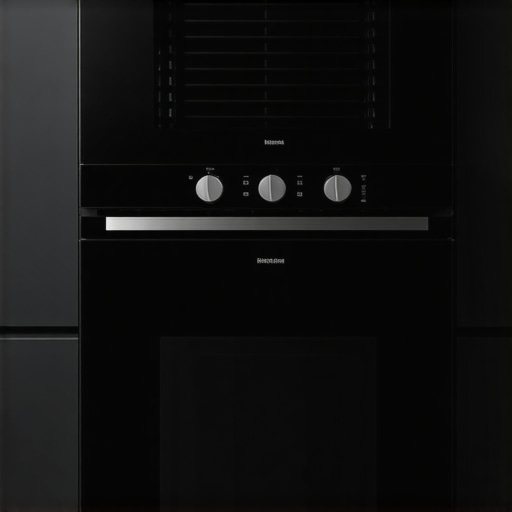
Why You Need a Dedicated Circuit for Your Luxury Oven
Your $15,000 French range or high-end induction wall oven is a sophisticated piece of engineering, but it remains a paperweight if the copper behind your drywall cannot feed the beast. After fifteen years of diagnosing electrical failures in high-end kitchens, I have seen the same story: a client invests in a top-tier appliance only to have it flicker, fault, or fail because they shared a circuit with a toaster or a dishwasher. The stakes are not just about convenience. We are talking about preventing localized heat buildup that can lead to wire insulation failure and electrical fires. Professional-grade equipment demands professional-grade infrastructure. If you want the performance you paid for, you must respect the physics of power delivery.
The Engineering Reality of Power Draw
Luxury ovens often pull significantly more amperage than standard builder-grade models, particularly when using rapid-preheat modes or multiple convection fans. A dedicated circuit ensures that the full 240 volts reach the appliance without competition from other devices. When you share a circuit, you introduce voltage drop. This drop forces the oven’s internal components to work harder, generating excess heat within the control boards. I often tell clients that an oven is like a high-performance engine; it needs a wide, unobstructed fuel line. In this case, that fuel is electricity, and the line is a dedicated run of 6 or 8 AWG wire. This becomes even more critical when you how to calibrate your smart oven for precise baking, as fluctuating power can throw off sensitive thermal sensors and PID controllers. The 80% rule in the National Electrical Code (NEC) suggests that a circuit should not be loaded beyond 80% of its capacity for continuous use. A luxury oven at full tilt easily pushes these boundaries, leaving zero room for even a small countertop appliance on the same line.
The Hidden Risk of Shared Neutrals
In many older renovations, contractors would ‘cheat’ by using a shared neutral for multiple circuits. With modern luxury appliances, this is a recipe for disaster. Smart ovens and induction tops generate ‘noise’ on the line. This harmonic distortion can interfere with the microprocessors in your oven, leading to the dreaded ‘ghost in the machine’ where the interface freezes or cycles randomly. I have walked into kitchens where a why your smart oven keeps dropping the wi-fi connection was actually caused by electrical interference from a shared circuit rather than a router issue. The result? Frustrated homeowners and expensive service calls that find nothing wrong with the appliance itself. A dedicated circuit is your shield against this interference. According to the National Fire Protection Association (NFPA), electrical failures remain a leading cause of home fires, often stemming from overloaded branch circuits in high-demand areas like kitchens.
The Mechanical Failure Points
When an oven lacks a dedicated power source, the first thing to go is usually the control board. These boards are expensive and increasingly difficult to source due to global supply chain lags. I recall a project where a client’s $12k steam oven would reboot every time the refrigerator compressor kicked in. You could hear the faint ‘clack’ of the relay struggling. The heat sink on the oven’s power supply was discolored—a clear sign of thermal stress from low voltage. This is part of the real cost of upgrading to professional kitchen appliances that many sales associates fail to mention. You aren’t just buying the box; you are buying the requirement for a 40-amp or 50-amp home run back to the main breaker panel. Neglecting this step is a technical failure waiting to happen during your first holiday dinner when every element is running simultaneously.
The Macro View of Kitchen Infrastructure
The trend in luxury kitchen design for 2025 and 2026 is moving toward total electrification and higher wattage. As we see more professional-grade induction technology entering the residential space, the demand on home electrical systems will only increase. Regulatory changes are already leaning toward requiring higher-capacity infrastructure for kitchen remodels. Investing in a dedicated circuit now is not just about your current oven; it is about future-proofing your home’s value. It also allows you to correctly size your ventilation, as you must how to choose the right cfm for a professional range hood based on the total potential heat output of your cooking suite. If the electrical isn’t right, the ventilation won’t matter, and the kitchen’s ecosystem collapses.
The Executive Verdict
If you are planning a kitchen upgrade, do not compromise on the wiring. Buy the dedicated circuit. It is the cheapest insurance policy you can find for your high-end investment. If you are currently experiencing flickering lights or frequent breaker trips, call a licensed electrician immediately. The fix is a dedicated 240V line with a properly rated breaker.
FAQ
Can I run my luxury oven on a 30-amp circuit if the manual says 40?
No. Never undersize a circuit. It will cause the wire to heat up, potentially melting the insulation before the breaker even trips.
Why does my smart oven screen flicker when the microwave is on?
This is a classic sign of a shared circuit or a loose neutral wire. Your luxury oven is likely being starved of voltage.
Do I need a dedicated circuit for a steam oven?
Yes. Even smaller specialty ovens have high-wattage heating elements that require their own protected path to the panel.
How do I know if my current circuit is dedicated?
Check your breaker panel. A dedicated circuit will have a single breaker (often a double-pole for 240V) labeled specifically for the oven, with no other appliances losing power when it is turned off.