Why 2026 Designers are Swapping Pantries for Modular Sculleries
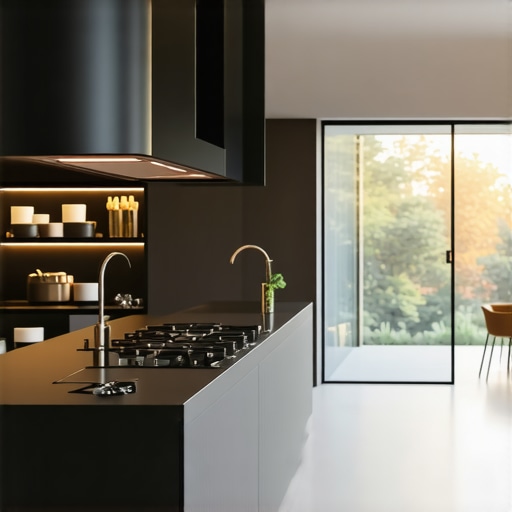
The traditional pantry is a dead concept. For fifteen years, I have watched homeowners sink six figures into aesthetic kitchen renovations only to find their prep space paralyzed by the very tools meant to simplify their lives. The standard walk-in pantry, once a cavernous catch-all for dry goods, has failed the modern homeowner. It lacks the utility for high-heat production and noise isolation required by current standards. Today, we are seeing a violent pivot toward modular sculleries. This is not a trend. It is a necessary structural correction for the luxury kitchen. The open-plan living movement of the last decade created a vacuum; it removed the walls but forgot to hide the mess. Now, the scullery serves as the engine room while the primary kitchen remains a curated gallery. Getting this wrong is an expensive mistake that degrades property value and daily sanity.
The Economic Reality of High-Output Zones
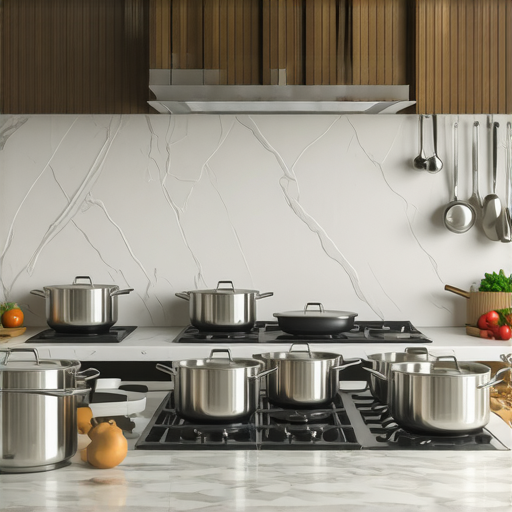
Designers are moving toward modularity because static shelving offers zero ROI when your countertop is crowded with a $5,000 espresso machine and a heavy-duty stand mixer. A modular scullery treats the kitchen as a series of high-performance nodes. We analyze the thermal load and the plumbing manifold requirements before we even think about the cabinet finish. In a scullery environment, the focus shifts to dedicated 20-amp circuits and integrated ventilation. Why? Because running a commercial-grade air fryer or a 1000-watt motor in an unventilated closet is a recipe for mold and hardware failure. Many 2026 luxury kitchens are hiding all major appliances behind pocket doors for a reason. It protects the primary living space from the industrial reality of food preparation. When you move the heavy lifting to a modular zone, the main kitchen regains its status as a social hub. This isn’t just about hiding a toaster; it’s about segregating the heat, noise, and vibration of modern premium cookware from the guest experience.
The Engineering Behind Effective Decibel Dampening
Noise is the silent killer of the high-end home. A traditional pantry acts as an echo chamber for the whine of a high-speed blender or the rhythmic thud of a kneading arm. In our projects, we prioritize acoustic insulation and vibration-resistant platforms. For example, utilizing brushless DC stand mixers for heavy sourdough loads significantly reduces the mechanical hum that permeates open-concept floor plans. The scullery allows for the use of specialized materials like stone-composite countertops that absorb shock rather than amplifying it. We also integrate silent rotary pump machines for a home espresso bar, ensuring that a 6:00 AM double shot doesn’t wake the entire household. This level of technical foresight is what separates a designer from a decorator. We are managing the physics of the room. If the scullery isn’t built to handle the decibel output of these devices, it’s just a very expensive closet.
The Risks of Poor Ventilation and Heat Management
Reality check: high-performance appliances generate massive amounts of localized heat. I’ve seen custom walnut cabinetry warped beyond repair because a client ran a steam-injection air fryer inside a confined pantry without a dedicated extractor. The modular scullery solves this by treating the space like a laboratory. We look at the National Kitchen & Bath Association (NKBA) standards for airflow and then we double them. It’s about the BTU calculation of every device in the room. If you are grouping three or four high-heat items together, you need an active mechanical draw. Without it, you’re just inviting structural degradation. The smell of stale grease and the weight of humid air shouldn’t follow you into the dining room. Modular sculleries often feature specialized cabinetry like hidden pantries that actually work by incorporating integrated cooling fans that trigger automatically when an appliance is powered on. The cost of failure here isn’t just an appliance repair; it’s a full-scale remediation of moisture damage.
Market Corrections and the 2026 Forecast
The real estate market is already pricing in these functional shifts. Buyers in the luxury tier are no longer impressed by square footage alone; they want operational efficiency. Over the next 12 to 24 months, we expect a decline in the value of homes with traditional ‘open’ kitchens that lack a secondary prep zone. We are seeing a shift toward ‘invisible’ integration. The trend is moving away from displaying every piece of premium cookware and toward a sterile, minimalist primary kitchen backed by a high-output scullery. This second-order effect is driven by the rise of home-based culinary professionalization. People are no longer just cooking; they are fermenting, dehydrating, and roasting at a professional level. The infrastructure must catch up. Regulatory changes regarding indoor air quality and energy consumption will eventually mandate these separate zones in high-end new builds.
The Executive Verdict
If your kitchen footprint exceeds 400 square feet, stop looking at pantry upgrades and start planning a modular scullery. My recommendation: prioritize the utilities. Map out your plumbing, electrical, and HVAC requirements for your espresso machines and high-wattage mixers before you choose your backsplash. A scullery is a performance-driven investment. If you are currently in a renovation phase, ensure your designer understands the difference between storage and production. Build for the workflow, not the aesthetic. The result? A home that functions as well as it looks. Avoid the trap of the static pantry; it is an obsolete relic that will only frustrate your culinary ambitions and drag down your property’s future resale value. Focus on modularity, ventilation, and noise isolation to future-proof your investment.
Frequently Asked Questions
Does a modular scullery require a separate sink?
Yes. Without a dedicated plumbed-in station for cleanup and water-filling for espresso machines, the scullery loses its primary function as a self-contained prep zone.
Can I convert an existing pantry into a scullery?
It depends on your electrical capacity. Most pantries only have a single 15-amp outlet. A true scullery needs multiple 20-amp circuits to handle the simultaneous load of high-power kitchen tech.
How does this impact the resale value of a mid-sized home?
In high-end markets, a dedicated scullery can increase the perceived value of a kitchen by 15-20% because it addresses the primary pain point of open-plan living: visual and acoustic clutter.
What is the most common mistake in scullery design?
Underestimating ventilation. People assume because it’s a small room, they don’t need a high-CFM hood, but the concentrated heat from modern air fryers and ovens requires significant air exchange.