
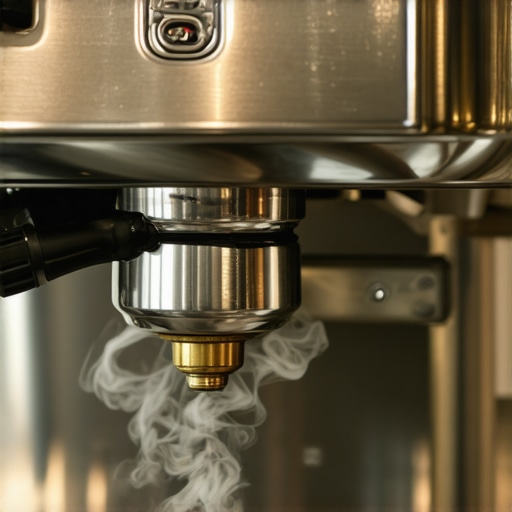
A sudden drop in steam pressure is not a glitch. It is a mechanical failure. Most owners see a weak hiss and assume the machine is tired. Wrong. After fifteen years in high-end kitchen equipment service, I can tell you that pressure loss is a symptom of a systemic breakdown. If you ignore the warning, you are looking at a $1,200 boiler replacement. The result? Avoidable failure. For those of us who demand precision, understanding the hydrostatic path from the boiler to the tip is the only way to maintain peak performance.
The Reason Your Steam Wand Is Losing Pressure Suddenly
Scale occlusion is the primary killer. Even if you use filtered water, calcium deposits find a way. They don’t just sit there; they migrate. Small flakes of scale break loose from the boiler walls and jam themselves into the narrowest point of the system: the steam tip or the solenoid valve. When this happens, the flow rate drops instantly. You might think you have a heating problem, but your gauges say otherwise. If your boiler pressure gauge reads 1.5 bar but the wand produces a pathetic puff, you have a physical blockage. This is often linked to the scale buildup error that kills espresso machine boilers which remains the most common service call in the luxury sector.
The Engineering Reality of Solenoid Degradation
The solenoid valve is the gatekeeper. It is an electromagnetic switch that opens the path for steam. These valves have a finite lifespan. Heat cycles eventually break down the internal plunger seat. When the rubber seal begins to swell or disintegrate, it no longer retracts fully. The steam is choked before it even hits the wand. Testing this requires measuring the resistance across the solenoid coil. If the ohms are out of spec, the valve is failing to generate the magnetic field necessary to pull the plunger. Beyond the solenoid, you must verify the integrity of the espresso machine group gasket as leaks anywhere in the pressurized circuit can lead to thermal instability.
The ROI of Quality Components
Cheap machines use plastic thermoblocks. Real machines use copper or stainless steel boilers with significant thermal mass. The economics of repair favor the high-end owner. Replacing a $60 Parker solenoid on a $3,000 dual-boiler machine is a high-yield investment. Trying to fix a cracked aluminum thermoblock on a big-box unit is a fool’s errand. You are paying for the ability to service the machine. I have seen clients lose thousands in productivity and leisure time because they chose a ‘lifestyle’ brand over a technical powerhouse. The hidden valve that makes your coffee taste stale is often the same culprit behind pressure inconsistencies. According to the ASME Boiler and Pressure Vessel Code, maintaining these pressurized systems requires specific adherence to safety and flow standards that most home users ignore until it is too late.
The Messy Reality of Cavitation and Air Locks
Sometimes the problem is not a blockage but an air lock. This happens after a long period of inactivity or a failed pump cycle. The pump tries to prime but hits a pocket of air. The boiler never reaches the correct fill level. You get a blast of wet steam followed by nothing. The smell of fresh adhesive from a new machine can sometimes mask the early signs of a pump struggling to reach the necessary nine bars of pressure. If your pressure gauge never reaches nine bars, the pump is likely the culprit, not the wand. This is the industrial-grade reality: parts fail, and they fail in predictable ways under high-heat conditions.
Strategic Foresight for 2025
The industry is moving toward PID-controlled steam heating. We are seeing a shift away from traditional pressure stats toward more precise NTC thermistors. This means tomorrow’s problems will be digital, but today’s problems remain stubbornly physical. Regulation regarding lead-free brass in European-made machines is also changing how these valves are manufactured. Expect shorter lifespans for seals but safer water paths. The Specialty Coffee Association (SCA) standards emphasize that water quality remains the single biggest variable in machine longevity. If you are not testing your water hardness monthly, you are gambling with your equipment.
The Executive Verdict
If your pressure drops suddenly, follow this protocol. First, unscrew the steam tip and check for milk residue or scale. Second, check the boiler gauge. If the gauge is high but the output is low, replace the solenoid. If the gauge is low, your heating element or pressure stat is the failure point. I recommend a full descale only if you can perform a complete boiler flush; otherwise, you risk moving scale from the walls into the valves, making the problem worse. Buy professional-grade parts. Hold the line on maintenance. Strategy over panic, always.
Common Pressure Loss FAQ
Can a clogged tip cause the boiler to explode?
No. Modern machines have safety relief valves (OPV) that will vent pressure if it exceeds a safe limit. You will just get a lot of noise and a wet counter.
Should I use vinegar to descale a pro-sumer machine?
Never. The acetic acid is too aggressive for copper boilers and can leave a permanent residue. Use citric acid-based solutions designed for espresso equipment.
Why does the pressure come back after I turn the machine off and on?
This suggests an electrical issue with the pressure stat or a sticking solenoid plunger that resets when the heat expands or contracts the metal slightly. It is a sign of imminent total failure.
“