
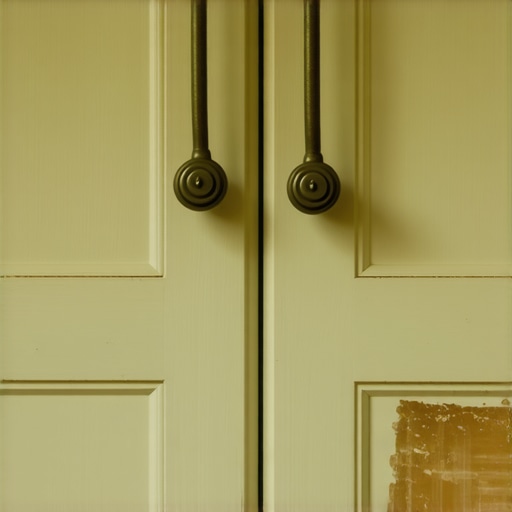
Hardware is the architectural handshake of the home. After fifteen years spent stripping failed finishes off once-expensive cabinets, I can tell you that most homeowners focus on the wrong metrics. They chase a visual ‘vibe’ while ignoring the metallurgical reality that dictates how a kitchen ages. Choosing the wrong pull isn’t just a minor aesthetic slip. It is a fundamental failure in the technical execution of a luxury kitchen. If your hardware is the first thing people notice, you likely missed the mark. The goal is permanence. High-end design should feel inevitable, not trendy. Cheap zinc alloys dressed up in thin electroplating will inevitably pit and flake. The result? Avoidable failure.
The Engineering Reality of Hardware Finishes
Finish technology has shifted, yet most consumers still buy like it is 1995. If you are using standard lacquered brass, you are on a countdown to oxidation. The moment that lacquer micro-cracks from the strike of a ring or the acidity of sweat, the metal beneath begins to turn. In a high-traffic zone near premium cookware and steam-heavy stovetops, this process accelerates. To avoid the dated look of tarnished ‘fake gold,’ you must specify Physical Vapor Deposition (PVD) finishes. This process bonds the finish at a molecular level. It creates a surface harder than the base metal itself. According to standards from the Builders Hardware Manufacturers Association (BHMA), PVD coatings outperform traditional plating by a factor of ten in salt spray tests. This isn’t just about looks; it is about the coefficient of friction and chemical resistance. When you consider the most durable countertop material for heavy kitchen use, your hardware should match that lifespan. Anything less looks like a cost-cutting measure within three years.
Hardware Trends That Die Fast
Rose gold was a contagion. It swept through the market and died just as quickly, leaving thousands of kitchens looking like a 2017 tech blog. Oversized ‘Edison’ style pulls are the next to go. These massive, chunky bars overwhelm the vertical lines of the cabinetry. They distract the eye from the craftsmanship of the wood or the stone. A technical truth: the larger the hardware, the more leverage it exerts on the screw housing. Over time, heavy pulls on soft-wood drawers like cedar or pine will strip the threads. This leads to sagging hardware that feels ‘crunchy’ when pulled. It sounds like a small thing. It isn’t. The tactile feedback of a kitchen defines its perceived quality. If your pull feels light or hollow, the whole kitchen feels hollow. Contrast this with solid forged brass. It has a specific gravity that feels intentional. It carries a weight that signals quality before the drawer even opens. This matters when you design a kitchen that actually works for two cooks where high-frequency use is the baseline.
The Operational Failure of Cheap Alloys
The smell of fresh adhesive and the weight of industrial-grade steel define a quality install. But many ‘prosumer’ brands use die-cast zinc. This is a brittle material. It is prone to ‘zinc pest’ or intercrystalline corrosion if the alloy purity is low. I have seen hardware literally snap in half during a humid summer because of internal pressure from oxidation. This is an operational risk that generic AI buying guides never mention. When steam from air fryers or boiling pots hits these cheap pulls, the moisture finds its way into the pores of the metal. If your hardware choice doesn’t account for the ventilation overlook common in luxury renovations, you are inviting premature aging. You want materials that handle the micro-climates of a working kitchen. 316-grade stainless steel or solid silicon bronze are the only real answers for longevity. Everything else is a placeholder.
The Shift Toward Integrated Geometry
Strategic foresight suggests a move away from the ‘jewelry’ approach to hardware. The next 24 months will see a massive pivot toward integrated channels and ‘touch-to-open’ mechanical systems. We are moving toward a ‘Quiet Luxury’ aesthetic where the hardware is a hidden engineering feat rather than a shiny distraction. This reduces visual clutter and makes the space feel larger. It also eliminates the ‘catch’ risk—where pockets or aprons get snagged on protruding bar pulls. For those who prefer physical handles, the ‘Edge Pull’ is the correction. It mounts to the top of the door, offering a slim profile that maintains the integrity of the cabinet face. This alignment with the National Kitchen & Bath Association (NKBA) guidelines for ergonomic clearances ensures the kitchen remains functional as we age. It is a long-term property value play. Trends expire; ergonomics are eternal.
The Executive Verdict
If you are building for the next decade, hold off on the ornate and the oversized. Buy solid brass or stainless steel with PVD coatings. Avoid anything described as ‘antique’ or ‘weathered’—these are usually just poor paint jobs meant to hide inferior base metals. Stick to satin nickel, matte black (only if PVD), or unlacquered brass if you specifically want a living finish that patinas. In a space filled with espresso machines, stand mixers, and high-tech appliances, the hardware should be the silent, high-performance foundation. Total waste to spend on the big items and fail on the touchpoints.
Why does my black hardware look grey?
Most matte black hardware is powder-coated. This is essentially a layer of plastic paint. Over time, UV rays and hand oils break down the binders in the paint, causing it to chalk or fade to a dull grey. To avoid this, only buy ‘Black PVD’ or ‘Ebonized’ finishes which are chemically integrated into the metal.
Is unlacquered brass a bad investment?
No, but it is a specific choice. It will tarnish and turn brown or green depending on your local humidity. In a historic restoration, this is highly desirable. In a modern luxury kitchen, it might look like a maintenance failure unless the rest of the design supports the ‘aged’ look.
Should I use knobs or pulls?
Pulls are technically superior for drawers because they allow you to use your entire hand, reducing the strain on the drawer glides. Knobs are acceptable for upper cabinets where the weight of the door is minimal. For heavy pantry doors or integrated refrigerators, always use a dedicated appliance pull to handle the gasket tension.