
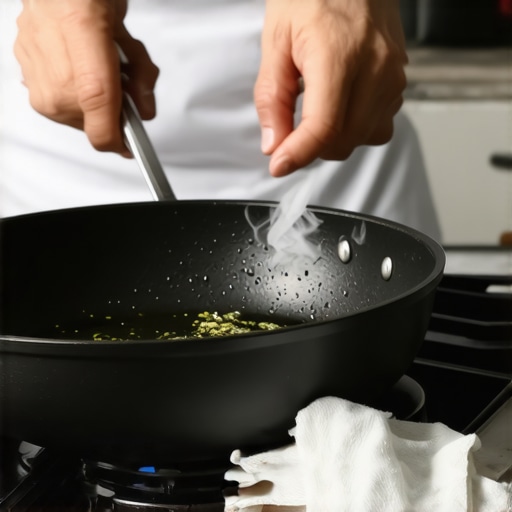
A raw carbon steel pan is a liability until you transform it into a precision instrument. Most home cooks treat their premium cookware like disposable non-stick junk, expecting it to perform straight out of the box. It won’t. After running this company for 15 years, I have seen thousands of dollars of high-end iron wasted because someone skipped the initial chemical prep. You aren’t just cleaning a pan; you are engineering a hydrophobic polymer barrier that will outlast your oven. The stakes are simple: either you build a seasoning layer that bonds at a molecular level, or you deal with rust, sticking, and a ruined sear on a prime cut of Wagyu. The weight of the industrial grade steel is a promise of durability, but only if you respect the metallurgy.
How to Properly Season a New Carbon Steel Pan the Right Way
The first hurdle is the factory coating. Manufacturers ship these pans with a thick layer of beeswax or industrial grease to prevent oxidation during transit. If you don’t strip this off entirely, your seasoning will fail. The oil will sit on top of the wax, never bonding to the iron. Scrub it with boiling water and a stiff brush until the metal feels bone-dry and slightly abrasive. The result? Avoidable failure if you miss even a square inch. Once stripped, you must immediately dry the pan over high heat. Moisture is the enemy. A wet pan at room temperature begins to oxidize in minutes. If you’ve ever wondered why your cast iron skillet is rusting even though you season it, the answer usually lies in incomplete moisture removal before the first oil application.
The Thermal Blueing Protocol
Before any oil touches the surface, you need to change the crystal structure of the iron. This is the secret of the “Technical Purist.” Place the clean, dry pan over your highest burner. As the temperature climbs toward 500 degrees Fahrenheit, the silver steel will shift. It turns straw yellow, then a vibrant purple, and finally a deep, oceanic blue. This is controlled oxidation, or “blueing.” It creates a micro-textured surface that holds oil far better than raw silver steel. Professional kitchens in Paris and New York wouldn’t dream of skipping this step. The thermal properties here differ significantly from multi-layered builds, as detailed in our analysis of the difference between 3-ply and 5-ply pans for high heat searing. Blueing is your insurance policy against seasoning flaking off in the middle of a service.
Oil Selection Logic and Polymerization
The choice of lipid is governed by the smoke point and the drying index. Do not use flaxseed oil. While popular on social media, flaxseed creates a brittle, glass-like coating that eventually shatters under the stress of rapid thermal expansion. You need an oil with a high smoke point and a high concentration of polyunsaturated fats. Grapeseed oil or refined sunflower oil are the industry standards. Apply a drop—literally a drop. Buff it into the metal until the pan looks dry. If it looks shiny, you have too much oil. When the oil reaches its smoke point, it undergoes polymerization. The liquid fats transform into a solid, plastic-like substance that is chemically bonded to the metal. This is the same logic used in luxury kitchen upgrades where durability is prioritized over convenience. Repeat this thin-film application five times. The smell of fresh adhesive and hot metal is the scent of a pan becoming non-stick.
Why Standard Methods Fail
The biggest mistake is thickness. People think more oil equals more non-stick. Incorrect. Thick layers of oil result in a sticky, brown sludge that never fully cures. It feels tacky to the touch. When you try to sear a steak, that sludge rips off and sticks to the meat. Another failure point is temperature control. If you don’t get the pan hot enough to crack the carbon chains in the oil, you aren’t seasoning; you’re just greasing. You must see wisps of smoke. That smoke is the chemical signal that the transition is happening. If the surface isn’t slick, you haven’t succeeded; you can compare this to the ultimate test for a real non-stick ceramic coating to see just how much performance you can extract from traditional materials.
The Executive Verdict
Carbon steel is a long-term investment in culinary capability. While modern air fryers and smart ovens offer automation, they cannot replicate the Maillard reaction achieved on a properly seasoned 12-gauge steel surface. I recommend a “Buy” on high-carbon steel for any serious home chef, provided they have the discipline to maintain the patina. If you are in a situation where you value speed over soul, stick to ceramic. But if you want a pan that becomes an heirloom, do the work. The industry is shifting away from PFOA-laden coatings and back toward these “forever” materials as regulatory bodies like the American Chemical Society continue to highlight the stability of seasoned iron. Start with one 10-inch skillet. Master the blueing. The rest will follow.
Frequently Asked Questions
Q: Can I use dish soap on my seasoned carbon steel?
A: Yes. Modern dish soaps do not contain the lye that stripped pans in the 1920s. A quick wash won’t hurt a solid polymer layer, though you should never soak it.
Q: My seasoning is splotchy and not a perfect black. Is it ruined?
A: No. Carbon steel is a tool, not a mirror. Splotchiness is normal. Performance matters more than aesthetics. As long as it doesn’t feel sticky, keep cooking.
Q: What do I do if the pan starts to rust?
A: Scrub the rust off with steel wool, dry it thoroughly on a burner, and repeat the seasoning protocol. Carbon steel is nearly impossible to kill.
Q: Is carbon steel better than cast iron?
A: It is more responsive to heat changes and lighter in the hand, making it superior for sautéing and delicate proteins, whereas cast iron excels at heat retention for deep frying.