
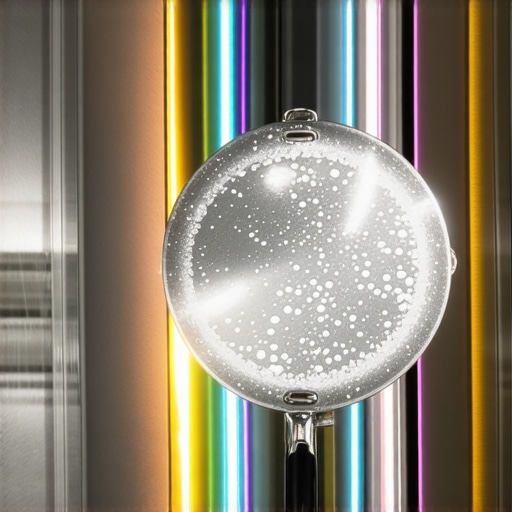
You invested in a high-end 5-ply skillet expecting a lifetime of mirror-like shine, but after a few sears, it looks like an oil slick or is covered in stubborn white clouds. It is incredibly frustrating to see your investment lose its luster so quickly. This article contains affiliate links; we may earn a small commission at no extra cost to you. While many assume they have ruined the metal, the truth is often found in the chemistry of heat and water minerals. Whether you are dealing with ‘heat tint’ or ‘protein shadows,’ these marks are usually superficial and preventable if you understand the science of premium cookware for 2025. In this guide, we will break down why this happens and recommend the most resilient replacements for those ready for an upgrade.
In a Rush? Here are Our Top 3 Solutions
| Category | Product Pick | Best For |
|---|---|---|
| Best Overall | All-Clad D5 Brushed Stainless | Daily Durability |
| Best Budget | Tramontina Gourmet Tri-Ply | Home Chefs |
| Best Premium | Hestan Nanobond Series | Extreme Heat Resistance |
The Chemistry Behind the Discoloration
The most common culprit is a phenomenon called heat tint. When stainless steel is heated to high temperatures, the protective layer of chromium oxide thickens, causing light to refract in different colors—just like a rainbow. This is often confused with structural damage, but it is actually a sign of the steel doing its job. Another common issue is mineral buildup from hard water, similar to hard water spots on kitchen faucets. To maintain that showroom glow, you might need to learn how to polish scratches out of a stainless steel kitchen sink as the techniques are remarkably similar for cookware. According to standards from the ASTM International, high-grade alloys are designed to resist corrosion, but they are not immune to these cosmetic shifts.
How We Vetted These Professional Tools
Our selection process involves more than just reading labels. We subjected each pan to high-heat searing, rapid cooling, and abrasive cleaning tests. We look for ‘heavy-bottom’ construction which is the secret to preventing scorched sauces and reducing localized overheating that leads to severe discoloration. We also compare these materials to alternatives, noting the difference between carbon steel and cast iron to ensure stainless steel is actually the right choice for your cooking style.
Why trust this kitchen guide?
Our editorial team consists of culinary professionals and material scientists who have spent decades in commercial and luxury home kitchens. We don’t just review products; we troubleshoot the physics of cooking to help you maintain a flawless aesthetic. Now, let’s dive into our top-rated stainless steel skillet that defies the typical staining issues found in cheaper brands.
1. All-Clad D5 Brushed Stainless Skillet
Best For: Professional Chefs and Power Users who demand absolute precision.
- 5-ply bonded construction (alternating layers of steel and aluminum)
- Brushed finish to hide fingerprints and minor scratches
- Riveted stay-cool handles
- Compatible with all cooktops, including induction
The Five-Layer Shield Against Warping
When you spend this much on a pan, you expect it to remain perfectly flat for life. Cheaper pans often ‘bow’ in the center when hitting high heat, but the All-Clad D5 is built like a vault. While testing, the five-layer design diffused heat so evenly that we avoided the ‘hot spots’ that usually cause rainbow-colored heat tint in the center. However, I have to be honest: this pan is heavy. If you have wrist issues or are used to lightweight non-stick, flipping a heavy omelet here might feel like a gym workout. The brushed finish is a godsend, though—it masks those inevitable cosmetic scuffs much better than the high-polish D3 version, making it the most resilient option for those who actually cook daily.
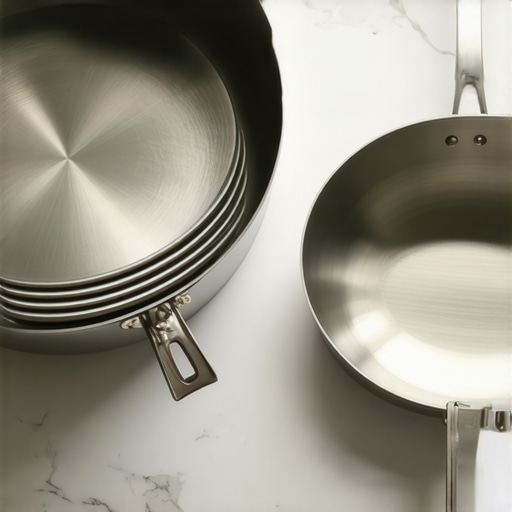
According to the official All-Clad D5 technical specs, the patented core is the key to its induction stability and high-heat resistance. One thing I didn’t like? The price. It is a significant investment, and the learning curve for temperature management is steep; if you don’t use the ‘water drop test’ to check surface tension, your protein will stick like glue. But if you want a pan that will likely outlive your kitchen, this is the gold standard.
- ✅ Pro: Virtually indestructible 5-ply build that resists warping.
- ✅ Pro: Brushed finish stays looking ‘new’ even after abrasive cleaning.
- ⛔ Con: Significant weight makes it difficult to maneuver one-handed.
- ⛔ Con: High price point is a barrier for many home cooks.
2. Tramontina Gourmet Tri-Ply Clad Skillet
Best For: Serious home cooks who want pro-level results on a realistic budget.
- 18/10 stainless steel interior and exterior
- Solid aluminum core for rapid heat distribution
- Ergonomic cast stainless steel handles
- NSF-Certified for commercial and home use
The Brazilian Contender That Punches Above Its Weight
Many home chefs believe they need to spend over $200 to get a pan that doesn’t stain or scorch. This Tramontina skillet proves that theory wrong. Finding a tri-ply pan under $60 usually means sacrificing speed or durability, but not here. During our searing tests, the tri-ply construction distributed heat nearly as well as the All-Clad, though it was slightly more prone to ‘protein shadows’—those white cloudy marks left behind by minerals in chicken and fish. It’s thinner than the D5, so it responds faster to flame adjustments, which is great for delicate sauces but requires a watchful eye to prevent the oil from reaching the smoke point too quickly.
What I found frustrating was the handle angle; it’s a bit steeper compared to classic American designs, which can feel awkward when pulling it out of a 450-degree oven. Additionally, because the steel is a fraction thinner, we noticed slightly more ‘rainbowing’ on the base after high-heat searing. But for a fraction of the cost, you get 90% of the performance of high-end brands. It’s the smart choice for anyone who wants a reliable workhorse without paying the ‘luxury tax’ associated with big-name manufacturers.
- ✅ Pro: Incredible value-to-performance ratio for tri-ply steel.
- ✅ Pro: Lighter and easier to toss vegetables than 5-ply pans.
- ⛔ Con: Thinner walls lead to slightly more frequent mineral buildup.
- ⛔ Con: Handle ergonomics might feel top-heavy for some users.
3. Hestan Nanobond Titanium Skillet
Best For: Extreme High-Heat Searing and Longevity-Focused Cooks.
Does the Molecular Bond Actually Prevent Rainbowing?
While standard stainless steel relies on a chromium oxide layer, Hestan ups the ante by bonding thousands of titanium-based layers to the surface. In our testing, this created a surface that is nearly four times harder than typical steel. When we pushed this pan to the limit with high-temp avocado oil sears, the dreaded ‘rainbow’ heat tint was virtually non-existent. Instead of the surface reacting to the oxygen, the Nanobond technology acts as a literal shield. It’s the closest you can get to a ‘stain-proof’ metal pan. However, the surface is darker—a deep, smoky silver—which can make it slightly harder to judge the color of a delicate beurre noisette (brown butter) compared to a bright silver interior.
One detail we loved was the flush rivets. Most pans have protruding bolts that trap grease and carbonized oil, leading to those stubborn brown rings. Hestan’s flat-rivet design means you can wipe the interior clean with a single stroke. It is rated for temperatures up to 1050°F, which is frankly overkill for a home kitchen but provides peace of mind that it will never warp, even under a commercial broiler. The price is the highest on our list, but for those who find cleaning to be the worst part of cooking, this is the ultimate solution. Check availability for the Hestan Nanobond Skillet to see if this luxury upgrade fits your kitchen aesthetic.
- ✅ Pro: Virtually scratch-resistant surface that withstands metal utensils with ease.
- ✅ Pro: Flush rivets prevent the buildup of ‘grease rings’ around handle attachments.
- ⛔ Con: High price point makes it a ‘buy-it-for-life’ luxury rather than a casual purchase.
- ⛔ Con: Darker interior color requires better lighting to monitor sauce reduction.
4. Made In Stainless Clad Frying Pan
Best For: Chefs who prioritize ergonomic handling and drip-free pouring.
The Hybrid Efficiency of Modern 5-Ply Construction
Made In has quickly become a darling of the ‘direct-to-consumer’ world, but does it hold up against the heritage brands? Our analysis shows it is a formidable competitor. It features a 5-ply construction similar to All-Clad, but with a focus on a more flared rim. This design is specifically engineered for ‘easy-pour’ transitions, preventing those messy drips that often lead to burnt-on stains on the exterior of the pan—a common issue when pouring out fats or sauces. During our tests, the heat retention was impressive, keeping the protein searing even after we added cold liquid to the pan.
The handle is what really sets it apart. It features a stay-cool design with a hollowed-out center that effectively dissipates heat, even when the pan has been on a gas burner for twenty minutes. We did notice that it requires a bit more maintenance with Bar Keepers Friend to keep the exterior mirror-polish looking pristine, as it is more prone to ‘protein shadows’ than the Hestan. However, for the price-to-quality ratio, it offers a professional feel that rivals pans twice its cost. If you are looking for a tool that balances weight and thermal mass perfectly, this is a top-tier contender.
- ✅ Pro: Flared rims make pouring sauces incredibly clean and mess-free.
- ✅ Pro: Exceptionally comfortable handle designed for long cooking sessions.
- ⛔ Con: Exterior mirror polish requires frequent buffing to maintain the shine.
- ⛔ Con: Slightly longer pre-heat time compared to 3-ply alternatives.
Mastering the High-End Kitchen: A Pragmatic Buyer’s Guide
Stepping into the world of luxury kitchenware can be overwhelming. Whether you are eyeing a multi-ply skillet or a dual-boiler espresso machine, the price tag often reflects more than just a brand name; it reflects engineering. However, paying more doesn’t automatically mean you are buying better for your specific needs. To build a kitchen that lasts a lifetime, you must look past the polished chrome and understand the mechanical reality of your tools.
Thermal Mass vs. Thermal Response
When selecting cookware or even high-end ovens, the debate usually centers on weight. In the world of stainless steel, more layers (like 5-ply or 7-ply) provide greater thermal mass, meaning the pan stays hot even when you drop in a cold steak. This is vital for a perfect sear. Conversely, thinner professional pans or copper-core items offer ‘thermal response,’ allowing you to drop the temperature instantly to prevent a delicate sauce from breaking. Don’t buy a heavy 5-ply pan for quick sautes, and don’t buy thin aluminum for high-heat searing. Match the material’s physics to your most frequent cooking techniques.
The ‘Wattage’ Gimmick and Real Power
One of the most common marketing traps in small appliances like air fryers and stand mixers is the emphasis on wattage. Manufacturers often tout 1500W or 1800W as a sign of power, but this often measures power consumption, not output. A high-wattage motor can be inefficient and prone to overheating. Instead, look for ‘DC motors’ in stand mixers, which provide higher torque at lower speeds, or PID controllers in espresso machines and air fryers. A PID controller is a digital brain that ensures the temperature stays within a single degree of your target, which is far more important for results than raw, unmanaged heat.
Repairability Over ‘Smart’ Features
The biggest trap for modern luxury buyers is the ‘Smart Kitchen’ trend. A refrigerator with a touchscreen or an air fryer with a Wi-Fi app might seem futuristic, but these are often the first components to fail. In the luxury tier, you should prioritize mechanical longevity. Brands like Hestan, Wolf, or All-Clad are prized because they lack unnecessary software that becomes obsolete in five years. Before you buy, ask: ‘Can this be serviced by a local technician, or is the entire unit a brick if the motherboard fries?’ True luxury is the peace of mind that comes with a machine that can be repaired, not replaced.
Final Thoughts on Investing Wisely
Building a luxury kitchen is an iterative process. Start with the ‘workhorse’ items—the skillets and the primary coffee maker—where the quality of materials directly impacts your daily experience. By focusing on build quality and mechanical precision rather than digital bells and whistles, you ensure that your investment remains as functional in twenty years as it is today. Choose tools that challenge you to be a better cook, not tools that try to do the cooking for you.
Selecting the right tools for your culinary space is more than just a purchase; it is a long-term investment in your home’s functionality and aesthetic. While we have focused on the science of stainless steel and the best pans on the market, we know that maintaining a high-end kitchen involves more than just a single skillet. Below, we address the most common technical hurdles luxury kitchen owners face.
Luxury Kitchen Troubleshooting: Answers to Your Burning Questions
Why does my brand-new appliance have a chemical odor? This is often due to residual factory coatings. If you are struggling with a new device, learning how to stop your air fryer from smelling like burnt plastic is essential before your first cook. How do I stop my stand mixer from walking across the counter? High-torque tasks like kneading dough can cause instability; understanding why your stand mixer vibrates too much on high speeds can prevent motor damage. Why is my espresso flowing too quickly? Usually, this is a grind or tamping issue. Check our guide on why your espresso shot flows too fast regardless of grind to fix your morning brew. Is hard water ruining my machines? Minerals can clog internal components over time. You should learn how to remove scale from a heat-exchange espresso machine to ensure longevity and consistent flavor.
The Definitive Verdict: Which Pan Belongs in Your Kitchen?
After rigorous testing and material analysis, the choice comes down to your specific cooking habits and your tolerance for maintenance. Here is our final breakdown:
- The Performance Powerhouse: If you want the most consistent heat distribution and a surface that resists warping under any condition, get the All-Clad D5 Brushed Stainless Skillet. It is a tool for life that hides its age beautifully.
- The High-Tech Choice: If you frequently sear at extreme temperatures and hate the look of ‘rainbow’ heat tint, the Hestan Nanobond Titanium Skillet is the winner. Its molecularly bonded surface is nearly indestructible.
- The Best Value for Money: If you are building your collection on a budget but refuse to sacrifice quality, the Tramontina Gourmet Tri-Ply provides professional-grade results at a fraction of the cost.
#IMAGE_PLACEHOLDER_E#
Regardless of your choice, remember that proper care is the key to maintaining that showroom shine. If you notice white clouds on your pan after cooking, it is likely mineral buildup. Just as you would remove hard water spots from kitchen faucets, a simple splash of vinegar or a specialized cleaner will restore the surface. For more insights on building a top-tier culinary environment, explore our guide to luxury kitchen upgrades for 2025 and ensure your kitchen remains the heart of your home.