
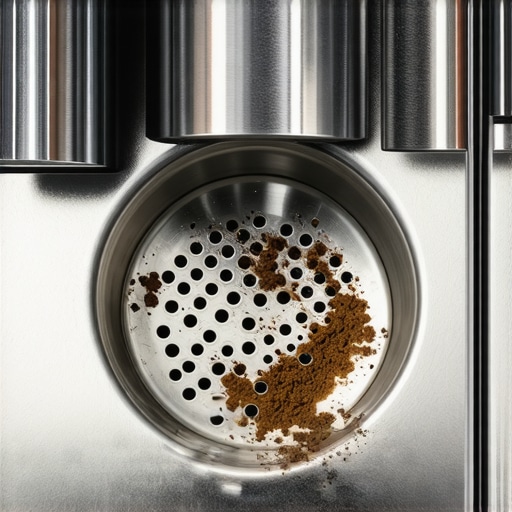
The Hidden Drain in Your Espresso Machine That Needs Cleaning
Owning a prosumer espresso machine is an exercise in hydraulic management. Most owners obsess over the grind size or the polish on their portafilter, yet they ignore the single most significant failure point in the entire system: the three-way solenoid valve. This is the literal exhaust pipe of your brewing cycle. After 15 years of tearing down boilers and replacing seized plungers, I have seen the same pattern. Neglect this internal drain, and you are not just drinking stale coffee; you are accelerating a mechanical heart attack in your machine. The stakes are clear. A seized valve costs $400 in parts and labor. A bottle of backflush detergent costs $15. The math favors the prepared.
The Engineering Reality of the Three-Way Valve
The three-way solenoid is a masterpiece of fluid dynamics designed to prevent the ‘explosive’ removal of the portafilter. When you engage the pump, the valve opens the path from the boiler to the group head. The moment you stop the shot, the valve shifts, closing the boiler path and opening a third path to the drip tray. This instantly relieves the 9 bars of pressure. This ‘hidden drain’ carries a backwash of coffee oils, superfine particles, and hot water. Without a regular chemical backflush, these oils polymerize. They turn into a hard, shellac-like substance that narrows the orifice. The result? Inconsistent pressure and bitter shots. You can check if your system is already struggling by learning how to tell if your espresso machine group gasket is leaking, as gasket failure often coincides with valve back-pressure issues.
The Risk of the Biofilm Build-Up
Sensory anchors don’t lie. If your machine emits a faint, rancid smell when the drip tray is removed, that is the smell of oxidized lipids inside your solenoid. It is a thick, black sludge. This isn’t just about taste. It is about the the scale buildup error that kills espresso machine boilers. When the exhaust path is restricted, the pump has to work harder against residual back-pressure. You will hear a high-pitched whine—the sound of a pump struggling to overcome a blockage. Eventually, the plunger inside the solenoid will stick. You will flip the switch, and nothing will happen. No water. Just the hum of a dying motor. I have seen machines from top-tier brands rendered useless because a user thought ‘rinsing with water’ was enough. It isn’t. You need surfactants to break down the coffee wax.
Market Corrections and the Right to Repair
Looking at the next 24 months, the luxury kitchen industry is shifting toward modularity. Manufacturers are realizing that making these valves inaccessible is a PR nightmare. We are seeing a move back to E61 group heads or accessible solenoid blocks. If you are buying a machine today, look for one where the solenoid is not buried under the main boiler. This accessibility is becoming a key selling point for high-end consumers who value longevity over a compact footprint. Furthermore, organizations like the Specialty Coffee Association (SCA) are pushing for better consumer education on hydraulic maintenance to reduce electronic waste. Understanding the valve setting that prevents your espresso from bittering is now a standard part of professional barista training, yet home users remain in the dark.
The Executive Verdict
If you have not performed a chemical backflush in the last 30 days, your machine is underperforming. My recommendation is a ‘Buy’ on high-quality backflush powders and a ‘Hold’ on any machine that does not allow for user-serviceable valves. For those in high-mineral water areas, this maintenance is non-negotiable. Don’t wait for the pump to whine. The strategy is simple: backflush with water daily, and use a dedicated espresso detergent every 20-30 shots. This maintains the ‘Executive Rhythm’ of your morning routine without the sudden $500 repair bill. Also, don’t forget the source of the debris; the grinder maintenance routine most baristas ignore is often where the fine particles that clog your valves originate.
Frequently Asked Questions
Will backflushing damage my pump?
No. The pumps are designed to handle the resistance of a blind basket. The relief valve (OPV) protects the system from over-pressure during this process.
How often should I replace the solenoid valve?
With proper cleaning, a solenoid can last 10 years. Without it, I have seen them fail in 18 months due to calcification and oil polymerization.
Can I use vinegar instead of espresso detergent?
Absolutely not. Vinegar is an acid; you need a base-heavy surfactant to dissolve coffee oils. Using vinegar will do nothing for the oil buildup and may damage the internal seals.