
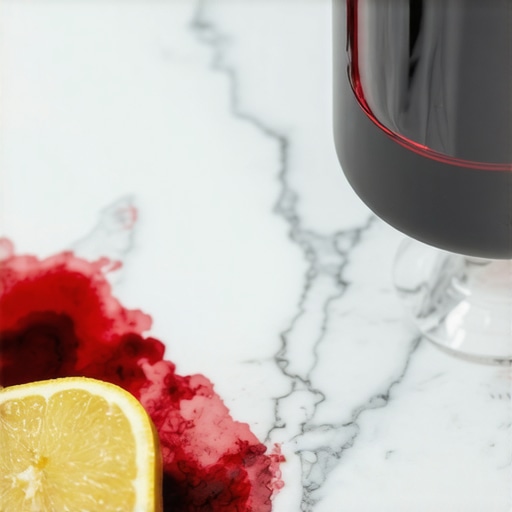
The hidden cost of marble countertops in a busy kitchen
Marble is a chemical liability masquerading as a luxury finish. After fifteen years of designing high-end culinary spaces, I have watched homeowners fall in love with the cool, white veining of Carrara only to see that romance die the first time a lemon is sliced directly on the surface. The stake here is not just visual; it is financial. When you install marble, you are not simply buying a stone; you are committing to a rigorous, expensive maintenance schedule that most busy professionals cannot sustain. The reality? A single forgotten spill of red wine or a splash of balsamic vinegar can cause permanent etching in under five minutes. It is a material that demands a level of attention that conflicts with the chaotic efficiency of a working kitchen.
The Chemical Vulnerability of Calcitic Stone
To understand why marble fails where other materials thrive, we must look at the mineralogy. Marble is primarily composed of calcium carbonate. This makes it highly reactive to acids. When an acidic substance hits the surface, a chemical reaction occurs that dissolves a tiny layer of the stone. This is not a stain; it is a structural change known as etching. Even if you use high-quality re-sealing techniques, no impregnating sealer can stop etching. Sealers are designed to prevent liquid absorption into the pores, but they offer zero protection against the chemical burn of a citrus juice spill. In a kitchen equipped with high-output air fryers and professional-grade premium cookware, the likelihood of heat and acid interaction is nearly 100%.
The porosity of the stone also creates a hygiene risk. While dense granites or engineered quartz have low absorption rates, marble is remarkably thirsty. Without a perfect seal, it will pull oils, pigments, and bacteria into its core. The cost of professional restoration—grinding down the surface and re-polishing—can run thousands of dollars, often reaching 20-30% of the original installation price within the first three years of heavy use.
The Physics of Impact and Thermal Shock
Beyond the chemistry, we have the mechanical reality. Marble sits at a 3 or 4 on the Mohs scale of mineral hardness. For context, a stainless steel knife is a 5.5. This means your countertop is softer than your cutlery. Dragging a heavy stand mixer across the surface can leave permanent scratches that catch the light and ruin the silhouette of the room. I have seen clients drop a heavy cast iron pan—the kind found in any serious collection of cookware—only to have the stone crack right through a vein line. These are not superficial issues. They are catastrophic failures of the material. Before you commit, you must prep your kitchen project for the high probability of physical damage. According to the Natural Stone Institute, marble requires significantly more structural support than lighter synthetics, adding to the hidden labor costs during the framing phase.
The 2025 Market Shift Toward Sintered Stone
The industry is moving away from raw calcitic stones in high-traffic zones. We are seeing a massive surge in the adoption of sintered stones and porcelain slabs that mimic marble aesthetics without the molecular fragility. In the next 18 months, I predict the resale value of homes with ‘patinated’ (read: damaged) marble will decrease as buyers prioritize durability. If you are integrating high-heat appliances or heavy espresso machines, the thermal expansion of marble is another risk factor. High-end porcelain handles thermal shock better and resists the 500-degree temperatures that can occur near professional ranges. For those weighing the options, exploring marble versus quartz is a vital step in protecting your investment.
Executive Verdict
If you are a ‘perfectionist’ who will be bothered by a dull spot from a lime wedge, do not buy marble. If you run a high-performance kitchen with children, frequent guests, or heavy cooking, hold off on this material. However, if you view the wear and tear as a ‘story’ and have the budget for bi-annual professional servicing, proceed. The strategic choice for 2025 is to use marble in low-impact areas—like a dedicated baking station or a backsplash—while using engineered surfaces for the primary prep zones.
Frequently Asked Questions
Can I use marble if I seal it every month?
Monthly sealing will help prevent deep stains, but it will not stop the surface from etching when exposed to acids like vinegar or lemon juice.
How do I fix a scratch in my marble island?
Minor scratches can sometimes be buffed out with specialized diamond pads, but deep gouges require a professional stone restorer to fill and polish the area.
Why is marble still used in professional bakeries?
Marble remains naturally cool, which is ideal for working with pastry and dough, but these environments prioritize function over the pristine ‘showroom’ look.
What is the best alternative to marble?
High-definition porcelain or sintered stone offers the most realistic veining with almost zero porosity and high resistance to acid and heat.