
The best backsplash materials for heavy cooking
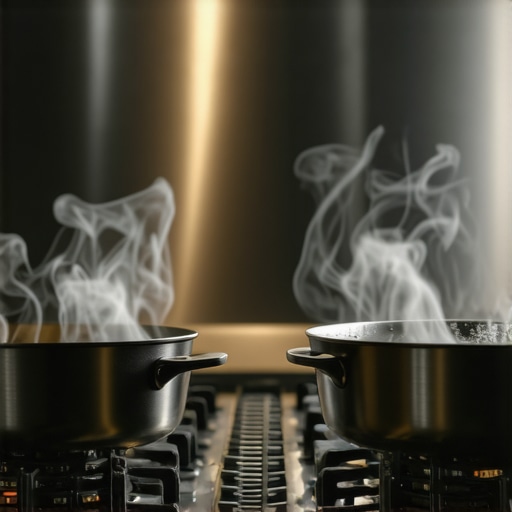
Choosing a backsplash for a high-output kitchen is a risk management exercise, not a design project. Most homeowners treat the vertical space behind their range as a decorative canvas, but if you are pushing 30,000 BTUs through your cookware, that surface is actually a technical component of your kitchen’s ventilation and hygiene system. I have spent two decades analyzing kitchen failures, and nothing ruins a $100,000 renovation faster than a porous material absorbing aerosolized grease. The stake is simple: a poor choice leads to permanent staining, fire hazards, and a significant hit to your property’s resale value. You need a surface that survives the thermal expansion of a professional-grade range while resisting the chemical onslaught of heavy degreasing agents.
The Engineering Reality of Thermal Loads
When you are searing proteins in heavy-bottomed premium cookware, the heat isn’t just directed into the pan. It radiates. Traditional ceramic tiles with wide grout lines are the primary failure point here. Grout is intrinsically porous; it acts as a wick for lipids. Once oil penetrates the grout, it undergoes a polymerization process that turns it into a sticky, yellowed resin that no chemical can fully remove without damaging the surrounding glaze. High-intensity cooking demands a material with a low absorption rate and high thermal shock resistance. Large-format porcelain slabs have become the gold standard in my consultancy because they eliminate 95% of the seams found in traditional installations. These slabs are fired at temperatures exceeding 2,000 degrees Fahrenheit, making them virtually immune to the heat generated by home-use professional range hoods.
Stainless Steel and Industrial Efficiency
If you prioritize ROI and functional longevity, stainless steel remains the undefeated champion. There is a reason commercial kitchens look the way they do. It is not just about the look; it is about the physics of cleaning. Stainless steel provides a non-porous, non-combustible shield that reflects light and sheds grease with a simple wipe. However, the thickness—the gauge—is where most people fail. A thin 24-gauge sheet will oil-can and warp behind a high-heat burner. I recommend 16-gauge or 18-gauge 304-grade stainless steel. It handles the weight of a heavy knife strip without flexing and manages the vibration of high-speed stand mixers operating on the nearby counter. The aesthetic is polarizing, but the performance is absolute.
The Hidden Costs of Natural Stone
Many clients insist on Carrara marble or granite for their luxury appeal. This is often a strategic mistake. Marble is essentially calcium carbonate; it reacts with acids like lemon juice or tomato sauce instantly. Even with high-grade sealants, the heat from the range can cause the sealer to fail prematurely, leaving the stone vulnerable to permanent etching. If you must have the look of stone, engineered quartz or ultra-compact surfaces like Dekton offer a better risk-to-reward ratio. You must account for the hidden costs of choosing marble over quartz, which include bi-annual professional sealing and the inevitable patina that some find charming but many buyers find messy. The tactile grit of dried sauce on a textured stone is a sensory reminder of a poor investment.
Market Corrections and Slab Integration
The industry is moving toward a “monolithic” look. We are seeing a sharp decline in mosaic patterns and a surge in continuing the countertop material up the wall. This creates a clean aesthetic and eliminates the visual clutter of grout lines. In the next 12 to 24 months, expect to see more integrated technology behind the backsplash, such as hidden charging ports and recessed lighting tracks. From a strategic perspective, investing in a single-slab porcelain or quartz backsplash increases the “perceived value” of the kitchen far more than expensive tile ever could. It suggests a level of custom engineering that differentiates your home in a crowded luxury market where waterfall islands are fading from modern design.
The Executive Verdict
For the serious home chef, the recommendation is clear. If your budget allows, go with a large-format porcelain slab. It offers the aesthetic of natural stone with the technical performance of an industrial material. If you are focused on pure utility and a modern-industrial look, 16-gauge stainless steel is the logical choice. Avoid small tiles, avoid natural marble, and never skimp on the thickness of the material. The result of cutting corners is a backsplash that looks dated and dirty within three years of active use. Buy for the heat you generate, not the color you like in the showroom.
Frequently Asked Questions
Can I use tempered glass behind a professional range?
Yes, but it must be back-painted with high-heat resistant pigment and professionally installed to avoid moisture trapped behind the glass, which creates visible mold.
Why does my grout keep cracking behind the stove?
This is usually due to thermal expansion. The wall studs and the tile expand at different rates. Using a high-quality silicone caulk that matches your grout color at the transition points can mitigate this.
Is heat-resistant paint a viable backsplash option?
For a temporary fix, perhaps. For a luxury kitchen, no. Paint cannot withstand the mechanical scrubbing required to remove carbonized grease from heavy frying.
Does a slab backsplash interfere with range installation?
It can. You must coordinate the thickness of the slab with your range manufacturer’s clearance requirements to ensure the burners are at the correct distance from the wall.
“